

A Unique Artifact Depicting Christ Was Discovered In An Ancient City
- 24.08.2026, 12:42
- 3,462
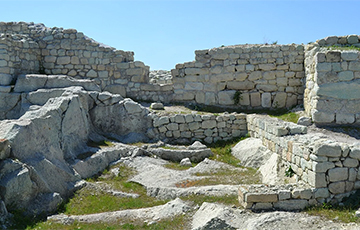
The seal belonged to Empress Irina Laskarina.
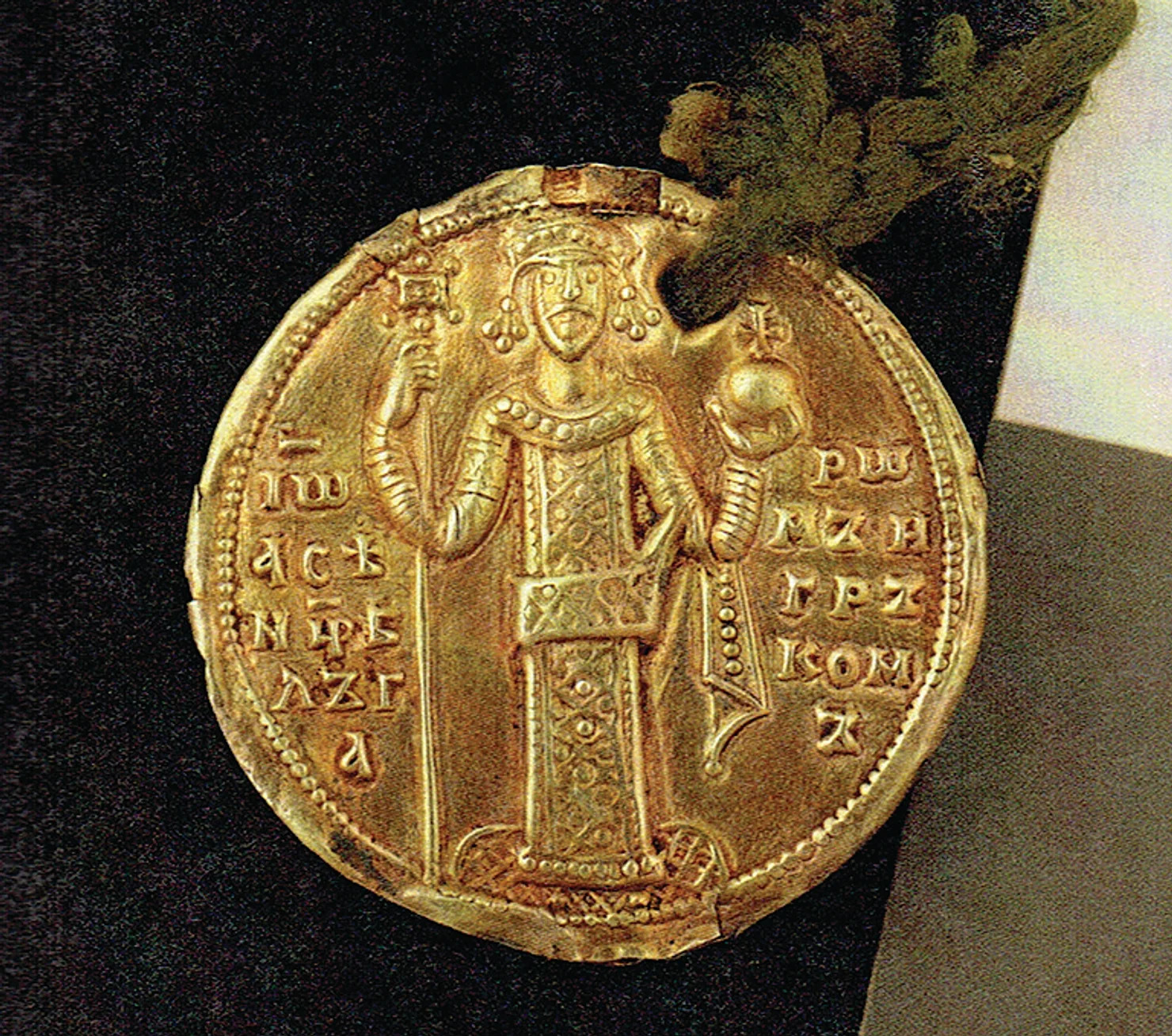
In the ancient city of Perperikon in southern Bulgaria, archaeologists have discovered a rare lead seal that belonged to Irene Laskarini—an empress of the 13th-century Empire of Nicaea. Perperikon was a fortified settlement in the Eastern Rhodopes, located in a region where the interests of Bulgaria and Byzantium intersected.
The discovery was announced by the head of the excavation, Professor Nikolay Ovcharov, who noted that this seal is only the fifth known example of Irina’s personal seal in the world. According to Ovcharov, the specimen from Perperikon is the only one found during archaeological excavations, writes Arkeonews.
The seal itself features a highly detailed imperial portrait. One side depicts Irene wearing a crown and imperial regalia, while the other depicts Christ the Savior, a rare iconographic representation for Byzantine seals.
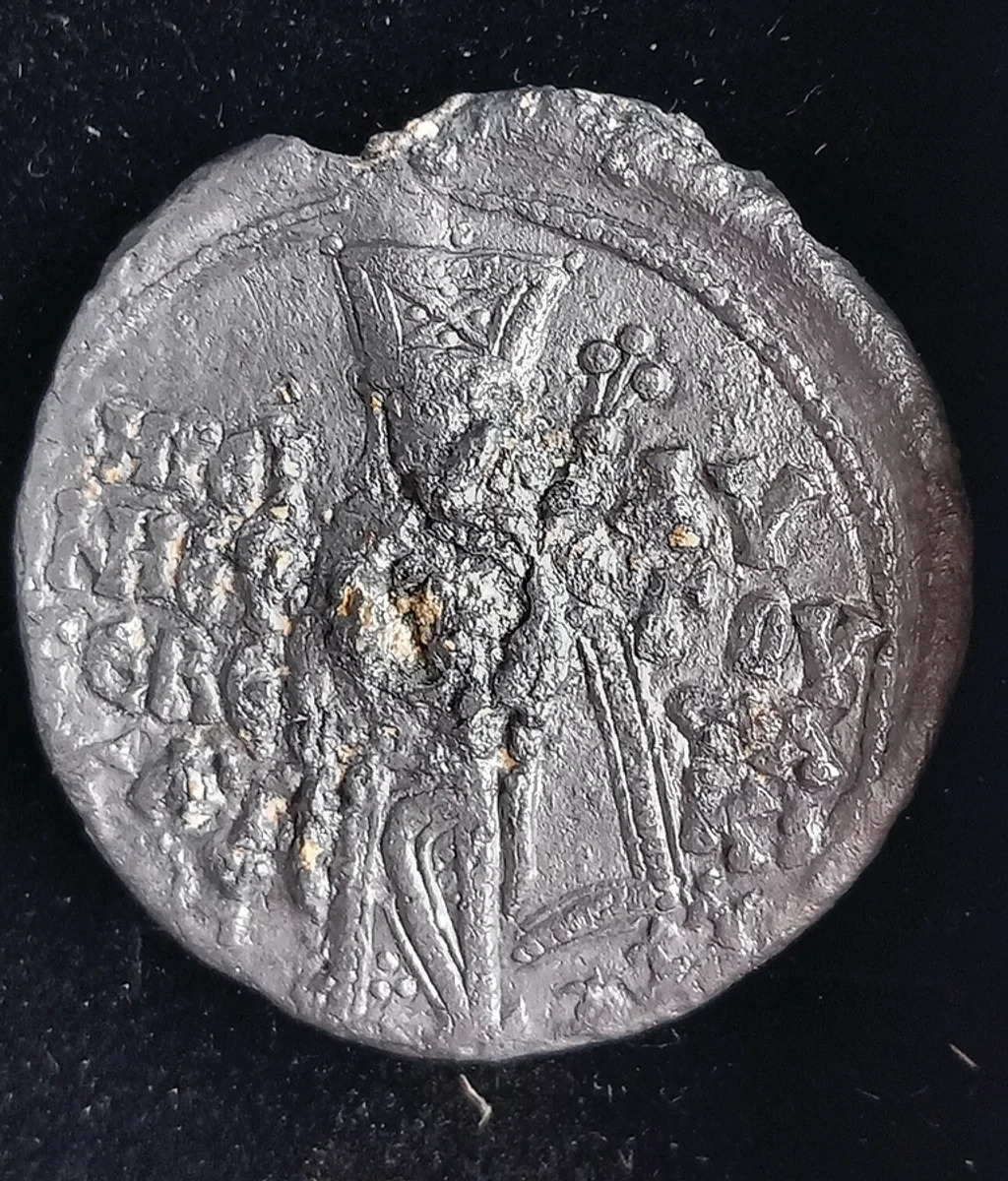
In the image, Christ stands within a cross-shaped halo, blessing with one hand and holding the Gospel with the other. The inscription identifies Irina as “Augusta,” confirming the imperial status of the woman whose seal authenticated the lost document.
Irene Laskarina was the daughter of the Emperor of Nicaea, Theodore I Laskaris, the granddaughter of the Byzantine Emperor Alexios III Angelos on her mother’s side, the wife of Emperor John III Doukas Vatatzes, and the mother of Emperor Theodore II Laskaris. This lineage placed Irina at the center of the dynasty that ruled the most powerful successor state to the Byzantine Empire.
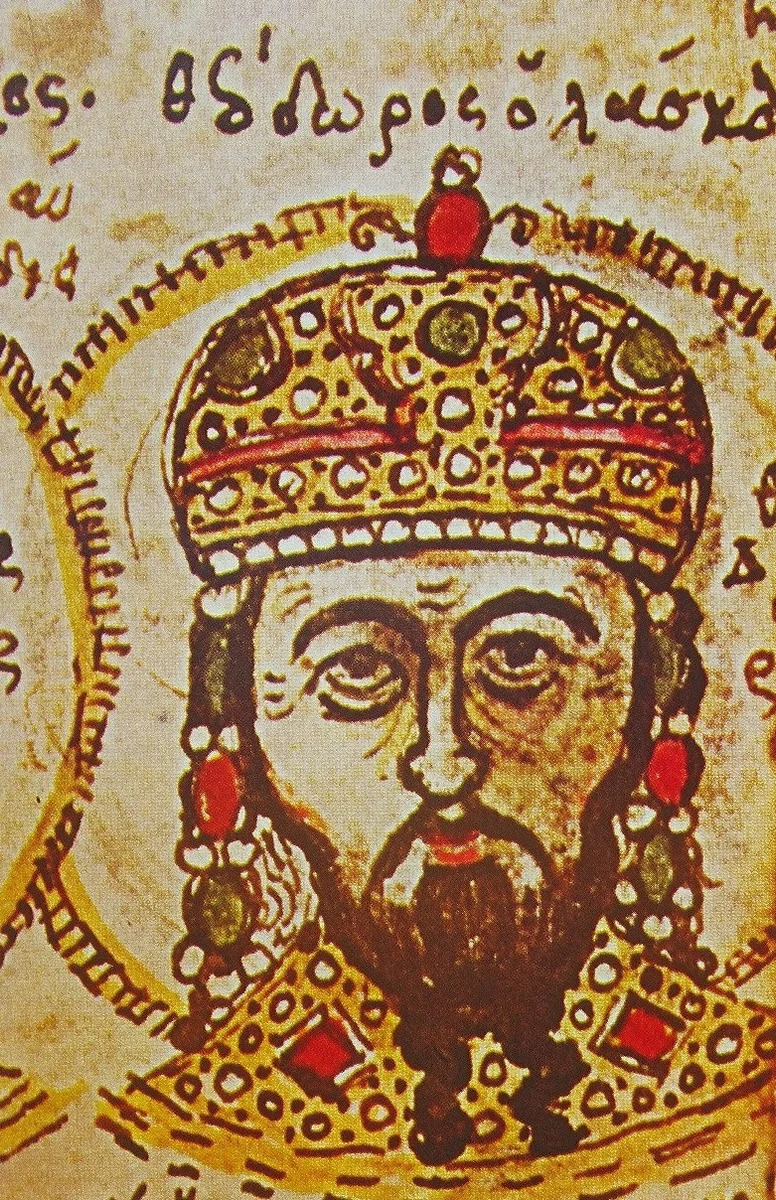
The recently discovered seal may be linked to diplomatic relations between the Empire of Nicaea and Bulgaria in the 1230s. After the Bulgarian tsar Ivan Asen II defeated Theodoros Komnenos Doukas at Klokotnitsa in 1230, Bulgaria became the dominant power in the Balkans. As a result, Nicaea had compelling reasons to form an alliance with Ivan Asen II, and as a result of negotiations in 1235, Irina’s son Theodore married Elena Asenina, the daughter of the Bulgarian tsar. During the same period, an agreement was reached recognizing the Bulgarian Patriarchate.
It is impossible to determine the exact purpose of Irina’s letter, since the document itself has been lost. Dr. Ovcharov suggested that it may have concerned diplomatic and ecclesiastical negotiations of that time or arrangements related to the dynastic marriage. Perperikon played an important ecclesiastical role and occupied a strategically important position, which makes both possibilities plausible, but neither has yet been proven.
This artifact proves that the document, bearing Irina’s personal authority, arrived in Perperikon during a critical period in relations between Bulgaria and Nicaea. Due to the letter’s disappearance, its exact content remains unknown, but the surviving seal attests to a direct connection between one of the most important women of the Empire of Nicaea and one of the major political centers of the medieval Balkans.
History of the Empire of Nicaea
The Empire of Nicaea emerged after the Fourth Crusade, when, in 1204, the crusaders captured Constantinople and established the Latin Empire in its place. As a result of the fall of the capital, the Byzantine Empire effectively fragmented into several political centers, the most important of which were Nicaea in Asia Minor, Epirus in the western Balkans, and Trebizond on the Black Sea coast.
Despite its name, the Empire of Nicaea was not regarded as a civilization separate from Byzantium or as a new state with a different cultural foundation. Its rulers regarded Nicaea as the center of the continuation of the Byzantine Empire after the loss of Constantinople. The Orthodox Patriarchate, the Greek administrative tradition, and imperial titles were preserved in Nicaea.
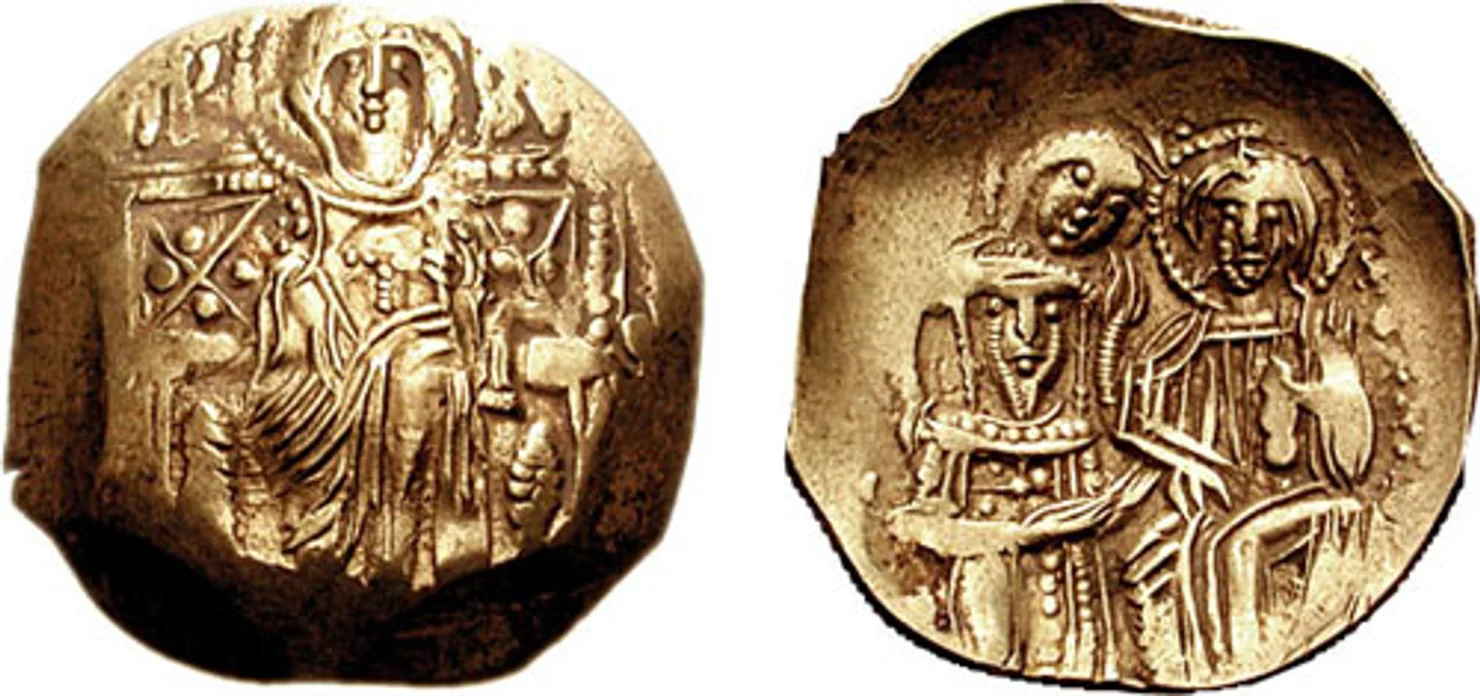
The rulers of Nicaea gradually consolidated their positions in Asia Minor and the Balkans, while their primary political goal remained the recapture of Constantinople. This was achieved in 1261, when Emperor Michael VIII Palaiologos recaptured the city from the Latin Empire and the imperial court returned to Constantinople, and the Empire of Nicaea ceased to exist as a separate political center, effectively becoming the restored Byzantine Empire.

Bank's name: Bank Millennium S.A.
Address: ul. Stanislawa Zaryna, 2A, 02-593, Warszawa
IBAN: PL97116022020000000216711123
SWIFT: BIGBPLPW
Name of the account holder: Fundacja “KARTA ‘97”
Purpose/title of payment: Donation for statuary aims
You can contact us by the e-mail [email protected]