
Xi Jinping Is Concerned About Putin's Growing Closeness With Kim Jong-un
9- 14.09.2026, 9:23
- 5,672
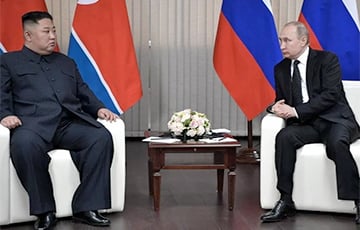
Forbes reported on the Chinese leader's concerns.
China is concerned about the increasingly close ties between Russia and North Korea, as this could exacerbate instability in the region and damage Beijing’s international reputation. This is stated in an article Forbes, published on September 13.
The publication notes that Chinese leader Xi Jinping is also concerned that the deepening ties between Russia’s illegitimate president Vladimir Putin and North Korean leader Kim Jong-un will diminish Beijing’s influence over Pyongyang. At the same time, China has no interest in establishing a formal military alliance between China, Russia, and North Korea, according to the author of the article.
Russia is increasingly relying on North Korea in the war against Ukraine. According to South Korean intelligence estimates, since October 2024, Pyongyang has sent more than 16,000 military personnel to Russia and supplied more than 15 million artillery shells, as well as dozens of KN-23 and KN-24 missiles. In return, North Korea receives money from Russia and access to sensitive military technologies, particularly air defense systems, drone technology, and naval reactors.
Beijing also fears that, thanks to Russian assistance, North Korea will become more powerful and that this could lead to new provocations and miscalculations by Pyongyang, strengthen security cooperation between the United States, South Korea, and Japan, and could push Seoul and Tokyo to seek nuclear weapons. China is also not interested in a regional conflict that could trigger a refugee crisis north of the Yalu River, the article states.
Over the past 18 months, Russia and North Korea have held 23 high-level visits involving ministers, while there have been only eight such visits between China and the DPRK, Forbes reports. For Moscow, cooperation with Pyongyang is primarily a way to obtain the resources needed for war, while North Korea receives financial inflows and military technology. However, for China, this partnership poses more challenges than opportunities, as Beijing risks losing some of its influence over North Korea and facing a more unpredictable neighbor.
In August, Putin stated that relations between Moscow and Pyongyang had reached an “unprecedentedly high level of comprehensive strategic partnership” and that the two sides were “actively cooperating across the board,” and are coordinating efforts “to ensure regional security and stability.” He also spoke of his intention to work with North Korea to build “a more just, truly democratic world order.” This was not the first time the illegitimate Russian president had spoken of some “new world order.” Last June, he announced the creation of such an order in collaboration with China.

Bank's name: Bank Millennium S.A.
Address: ul. Stanislawa Zaryna, 2A, 02-593, Warszawa
IBAN: PL97116022020000000216711123
SWIFT: BIGBPLPW
Name of the account holder: Fundacja “KARTA ‘97”
Purpose/title of payment: Donation for statuary aims
You can contact us by the e-mail [email protected]