
The U.S. Has Published The Official Agreement With Iran
3- 17.06.2026, 22:15
- 2,556
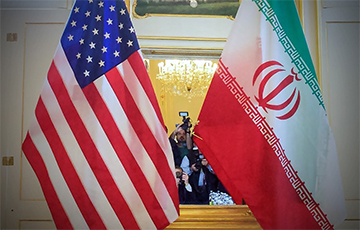
It consists of 14 items.
A high-ranking U.S. administration official read a 14-point document to reporters outlining the terms of a possible resolution to the conflict with Iran. It calls for the resumption of full-scale operations in the Strait of Hormuz, a partial easing of financial sanctions against Iran, and sets out Washington’s expectations regarding further technical negotiations on Iran’s nuclear program, according to CNN.
“Essentially, this agreement allows us to immediately open the Strait of Hormuz, compel the Iranians to destroy their ‘nuclear dust,’ and then provides us with a mechanism whereby, if the Iranians behave more responsibly, we will respond by easing economic measures and sanctions, which could make them a more prosperous country,” a senior U.S. official said on condition of anonymity.
The “Islamabad Memorandum of Understanding between the United States of America and the Islamic Republic of Iran” is scheduled to be officially signed on June 19, after which a 60-day period will begin for negotiations on the final terms of the deal.
The draft memorandum contains 14 points. The key provision is that the U.S., Iran, and their allies must declare an immediate and definitive cessation of hostilities on all fronts, including Lebanon. The parties also commit to not initiating new wars or military operations against one another, not threatening to use force, and respecting each other’s sovereignty and territorial integrity.
Another clause concerns the Strait of Hormuz and shipping. The United States must begin lifting the naval blockade immediately after the memorandum is signed and fully complete this process within 30 days. Iran, in turn, must ensure the safe and unimpeded passage of commercial vessels between the Persian Gulf and the Strait of Oman. Technical work, including mine clearance, is planned to achieve this.
The document also stipulates that the U.S., together with regional partners, will prepare a plan for Iran’s reconstruction and economic development worth at least $300 billion. In addition, Washington must coordinate the lifting of sanctions against Tehran, including U.S. sanctions, UN Security Council resolutions, and decisions by the IAEA Board of Governors.
Until a final agreement is reached, the parties commit to maintaining the status quo: Iran will not expand its nuclear program beyond its current state, and the United States will not impose new sanctions or deploy additional forces in the region.
Furthermore, Iran must confirm that it will not develop or acquire nuclear weapons. The parties plan to discuss the issue of enriched nuclear material and the future parameters of Iran’s nuclear program separately during technical negotiations under the supervision of the IAEA.
The draft also provides for partial financial relief even before sanctions are fully lifted. The U.S. Treasury Department must issue licenses for the export of Iranian oil and petroleum products, as well as related operations—including banking, insurance, transportation, and others. In addition, Washington must ensure Iran’s access to frozen or restricted assets.
To monitor compliance with the memorandum, the parties must establish a special enforcement mechanism. The final agreement, if reached, is expected to be approved by a binding UN Security Council resolution.
As a reminder, U.S. President Donald Trump recently stated that a preliminary agreement to end the war with Iran has already been signed, and suggested that the details of the agreement would be published “fairly soon.”

Bank's name: Bank Millennium S.A.
Address: ul. Stanislawa Zaryna, 2A, 02-593, Warszawa
IBAN: PL97116022020000000216711123
SWIFT: BIGBPLPW
Name of the account holder: Fundacja “KARTA ‘97”
Purpose/title of payment: Donation for statuary aims
You can contact us by the e-mail [email protected]