
Public Sentiment In Russia Has Fallen To The Level Seen During The Collapse Of The Soviet Union
9- 19.08.2026, 22:37
- 9,094
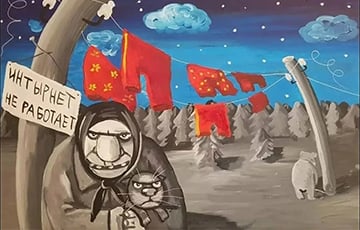
Survey.
The protracted war, the deteriorating economic situation, and daily drone strikes burning down oil refineries and warehouses from Moscow to the Urals have shattered Russians’ faith in a bright future for their country, reports The Moscow Times.
In July 2026, 66% of citizens believed that “difficult times” lay ahead for Russia, according to a poll by the state-run VTsIOM. Since the beginning of the year, the number of people expecting difficulties for the country in the future has increased by one-third (+16 percentage points).
As a result, the level of pessimism and fear of the future among the public has reached one of the highest levels in the country’s modern history. According to VTsIOM data, roughly the same proportion (66–67%) expected “difficult times” in 1991, a few months before the collapse of the USSR, and in 1992, when the Union collapsed, and people faced mass impoverishment and hyperinflation of 2,500%.
Even in the mid-1990s, despite the economic crisis, people were less afraid of the future than they are now: at that time, 46–60% spoke of impending “hard times” in various years. Only once was the proportion of pessimists among Russians higher—72% in April 2020, when the COVID-19 pandemic began, the first lockdowns hit the economy, and a vaccine against the virus had not yet been developed.
Ukraine’s long-range strikes, which triggered a fuel crisis in Russia and destroyed more than 20 Wildberries warehouses, are clearly taking a toll on the Russian psyche, especially in major cities, notes John Lowe, a senior research fellow at the NEST Center.
More and more people are asking why this war is necessary, Low emphasizes: “As the number of attacks has increased over the past nine to twelve months, many have realized that this is a long war and that there is no end in sight.”
The paradox of the situation is that Vladimir Putin came to power a quarter-century ago on promises of security, a peaceful life, and no killings, but it is precisely this security that Putin has completely destroyed, notes political scientist Abbas Galliamov.
“In today’s Russia, no one can feel safe anymore—not a general who went to a restaurant to celebrate his anniversary; not a vacationer who finally made it to the beach in Gelendzhik; nor a resident of the Moscow region peacefully sleeping in his bed during a nighttime drone attack; nor a Wildberries warehouse worker,” explains Galliamov.

Bank's name: Bank Millennium S.A.
Address: ul. Stanislawa Zaryna, 2A, 02-593, Warszawa
IBAN: PL97116022020000000216711123
SWIFT: BIGBPLPW
Name of the account holder: Fundacja “KARTA ‘97”
Purpose/title of payment: Donation for statuary aims
You can contact us by the e-mail [email protected]