


Ukraine Has Established A 300-kilometer Defensive Line That Russia Will Have To Spend Years Trying To Breach
6- 17.08.2026, 18:39
- 9,694
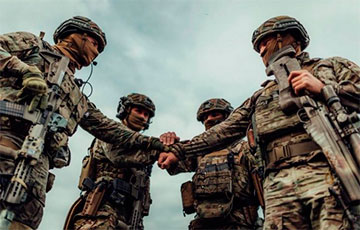
The so-called “New Donbas Line” has emerged.
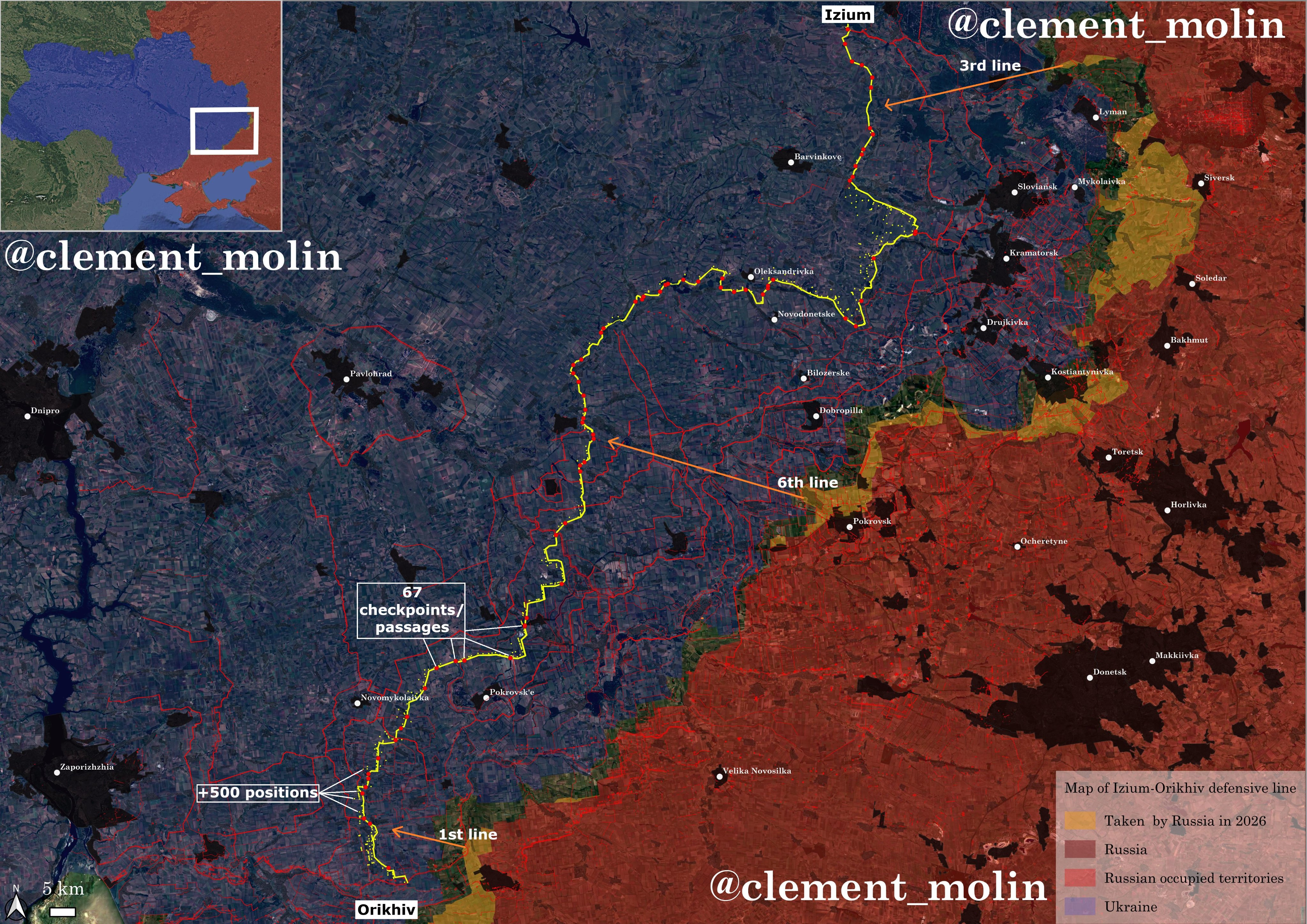
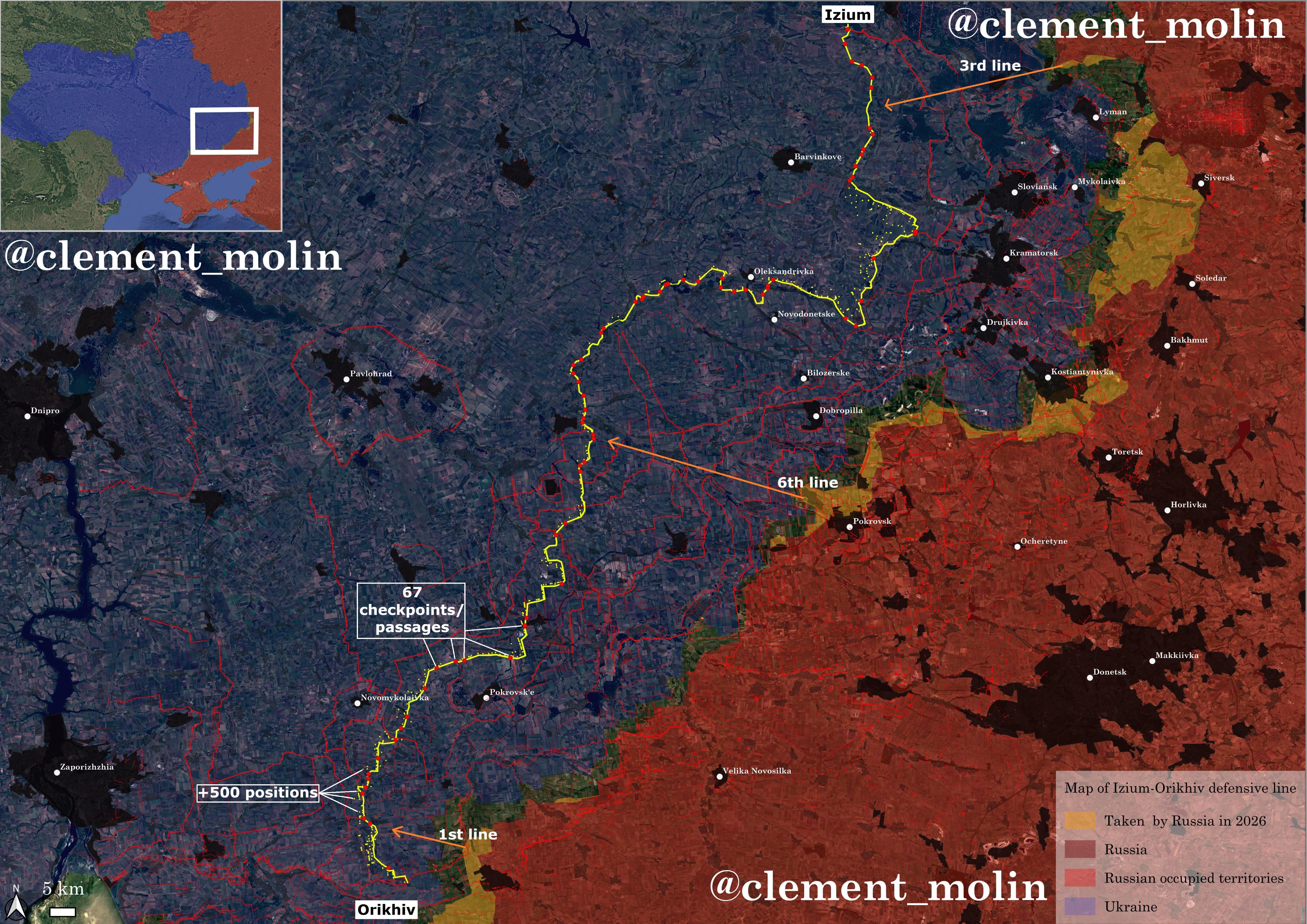
Between Izyum and Orekhov, the Ukrainian army has established a massive defensive line stretching about 300 km, which includes at least 67 fortified crossings and passageways. Over the course of two years, Ukraine has dug thousands of kilometers of trenches to halt the “endless” flow of Russian troops.
Influential OSINT expert Klemens Molin writes about this in his blog.
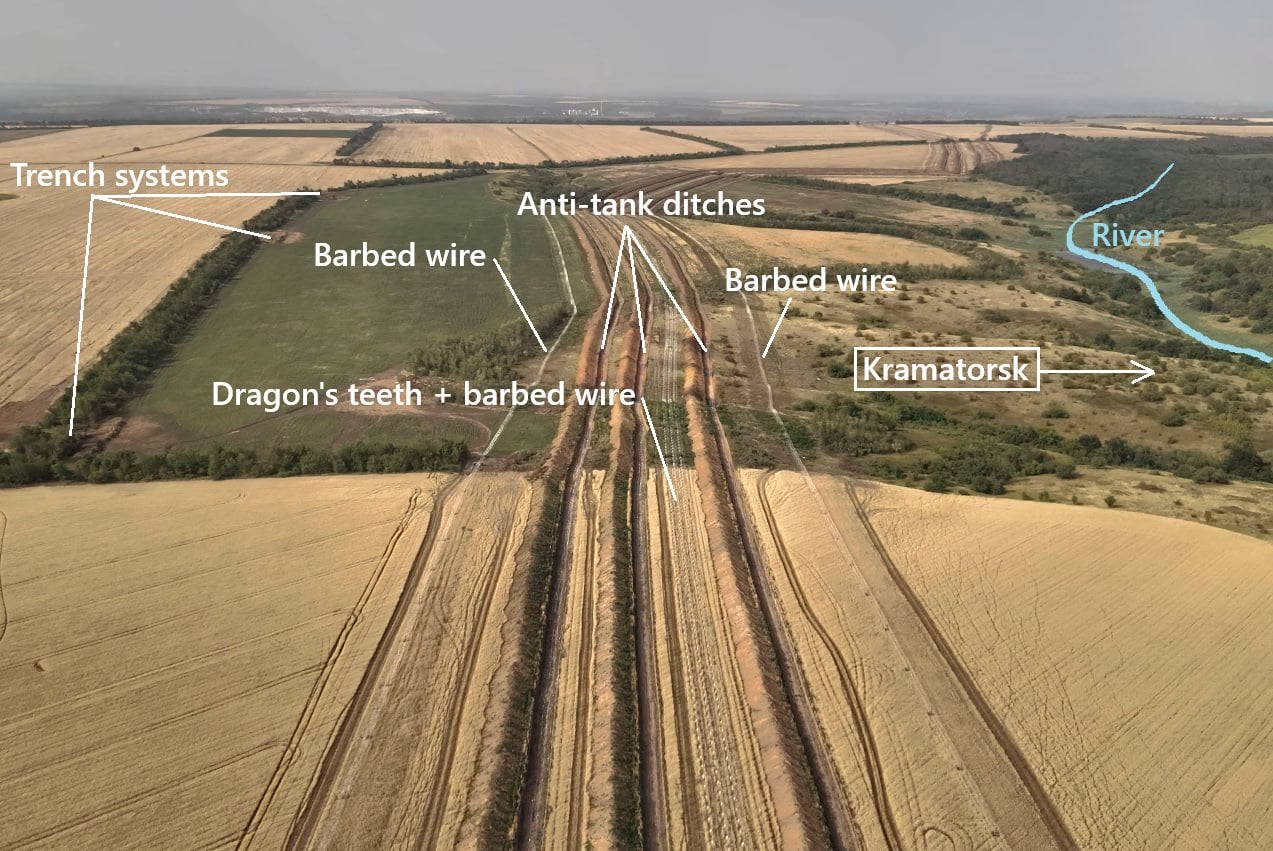
These lines differ from the previous ones. Previously, Ukraine had focused primarily on trenches for its troops and only occasionally constructed anti-tank ditches. But after the collapse of the defenses near Ocheretino, and then near Novogrodivka in the summer of 2024, it became clear that this system no longer worked. Soldiers did not occupy trenches and dugouts in the middle of open fields.
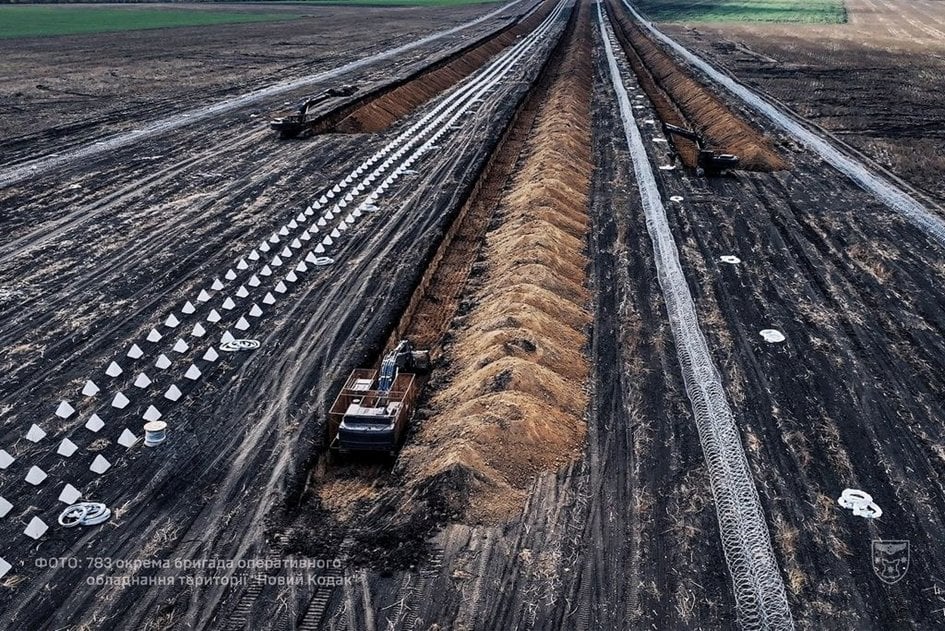
Therefore, the new strategy is based primarily on obstacles and camouflaged positions.
Their purpose is to slow down as much as possible all the forces the Russian army uses for an offensive: armored vehicles, mechanized infantry, and infantry.
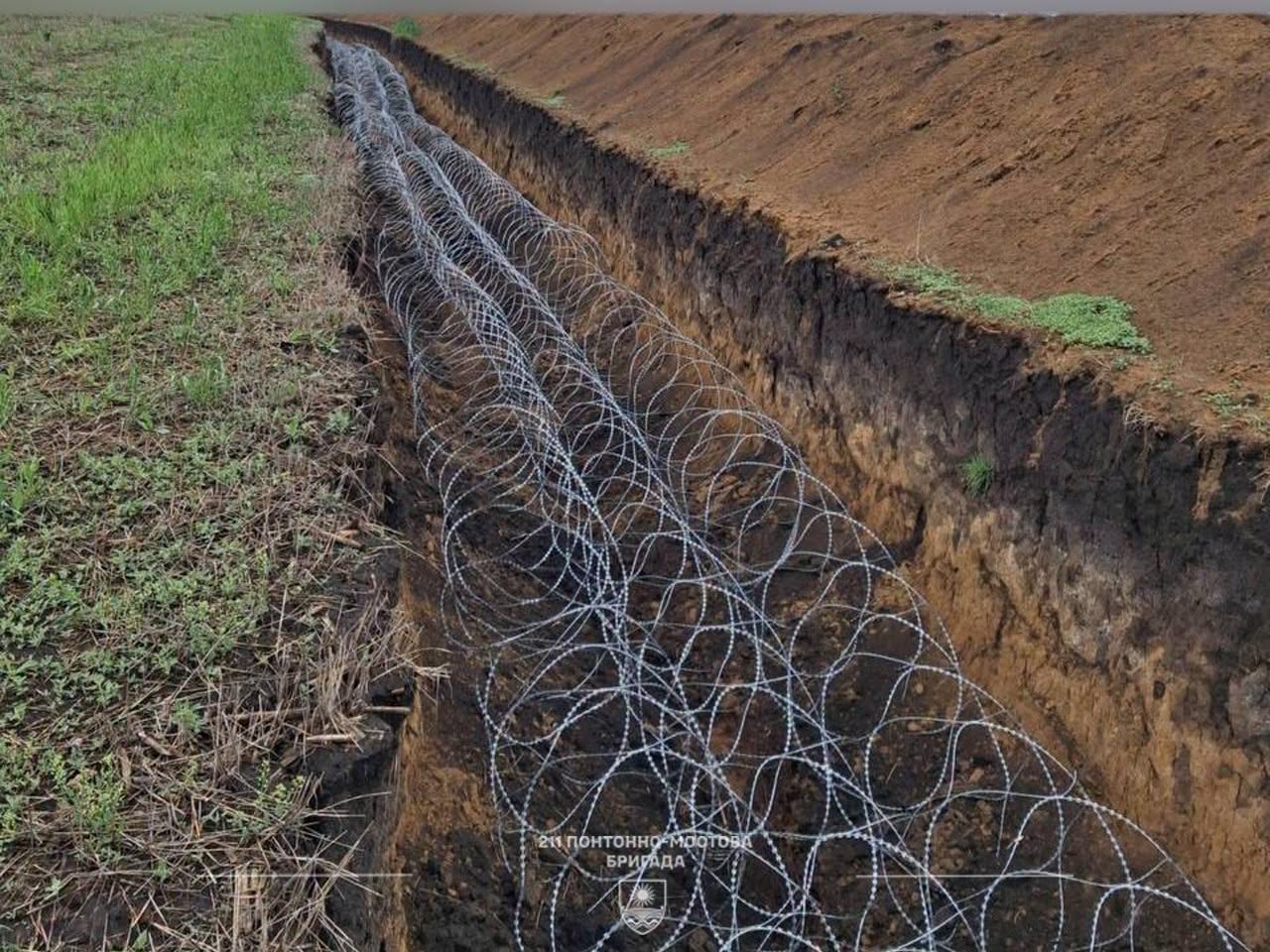
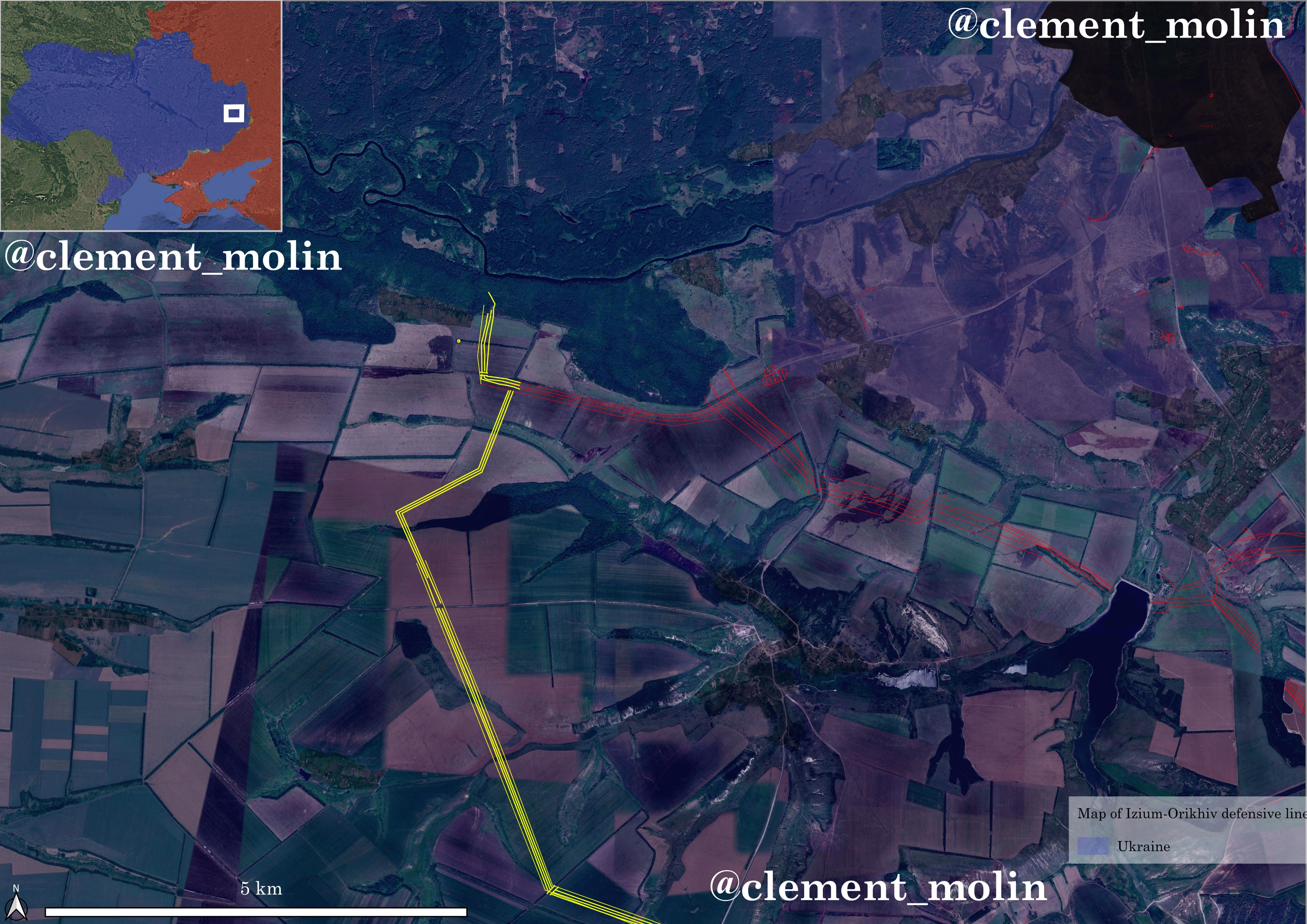
- another row of barbed wire;
- three rows of concrete anti-tank pyramids, connected by sturdy wire and further protected by barbed wire;
- two more anti-tank trenches with barbed wire;
- one more row of barbed wire.
This is the most robust version of the defensive line. However, not all sections have been fully constructed. In some places, there are no concrete pyramids; in others, one or two anti-tank trenches are missing.
The simplified version consists of just one anti-tank trench and four rows of barbed and regular wire.

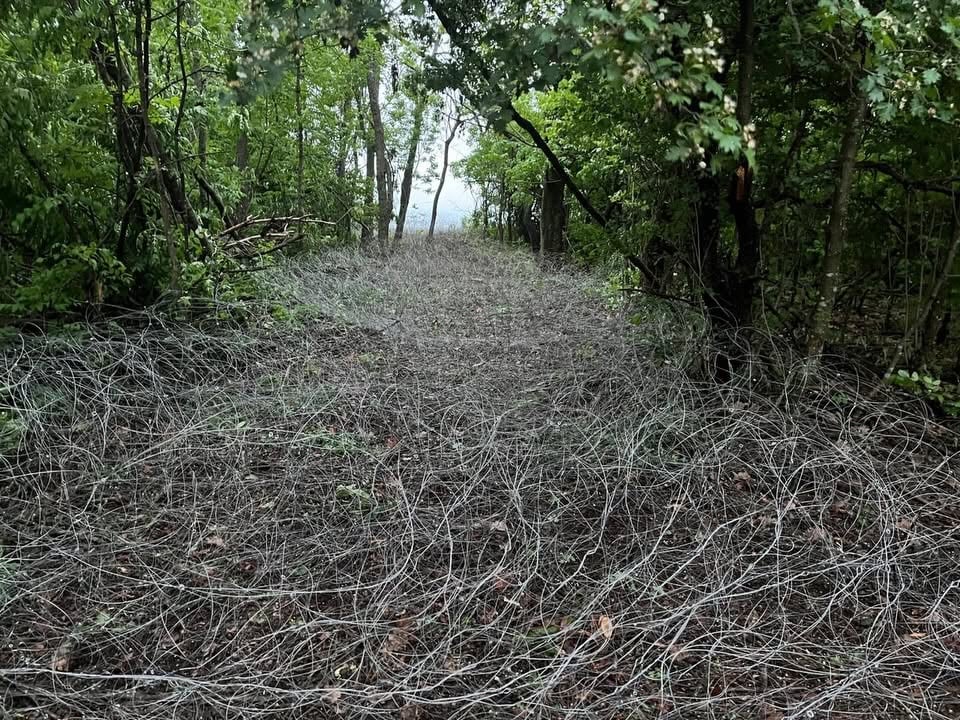
Additional barbed wire is also installed in the fields. It is intended to protect positions and increase the area where the enemy remains under fire.
Since construction of these lines began, only three serious clashes have occurred near them.
Near Ivanivka, the unfinished line held for nine months—until the current Ukrainian counteroffensive. It was unable to completely halt the advance of Russian troops, who were numerous. However, the line became a place where Ukrainian defenses held back the enemy and where dozens of Russian soldiers were killed.
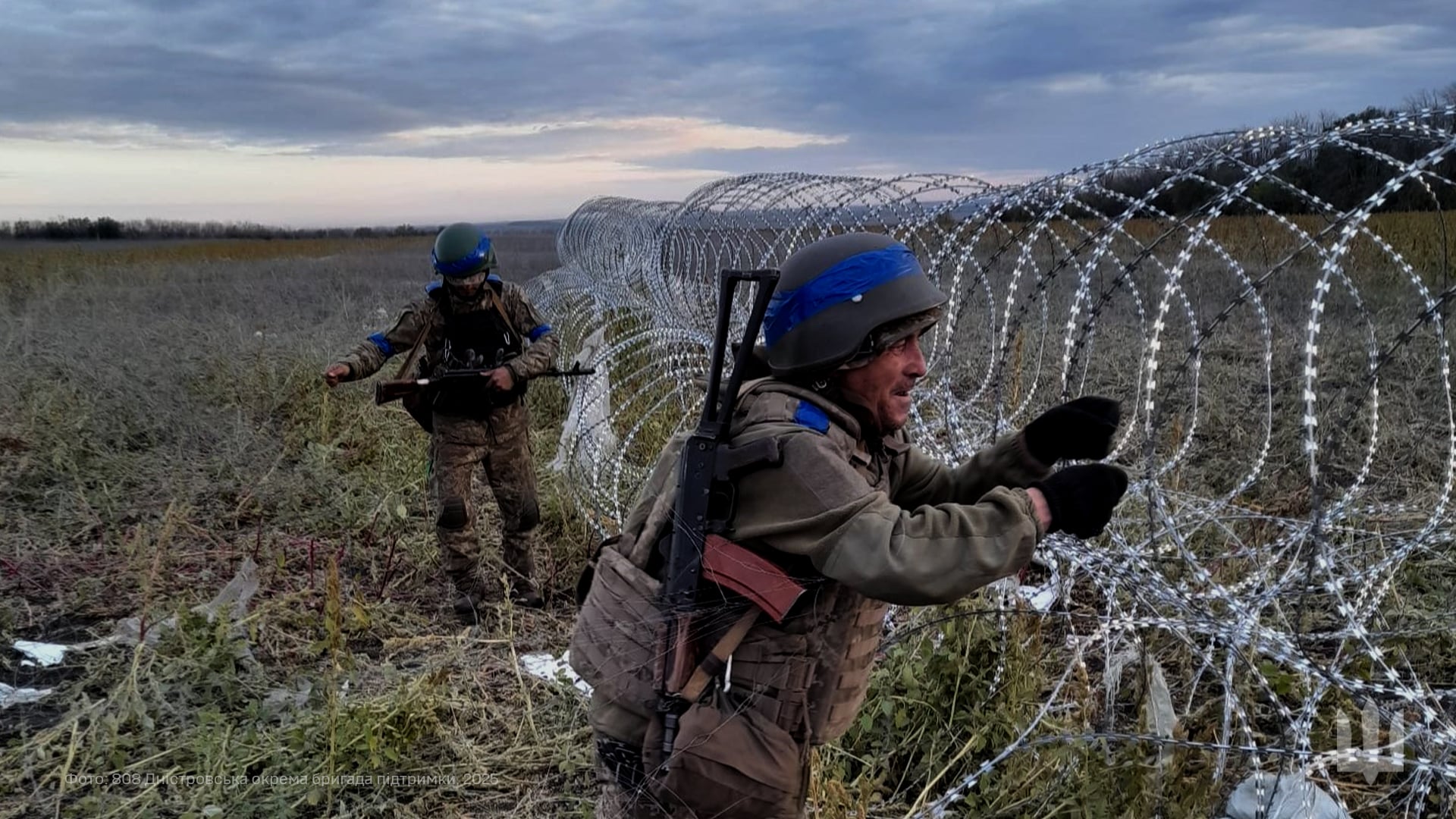
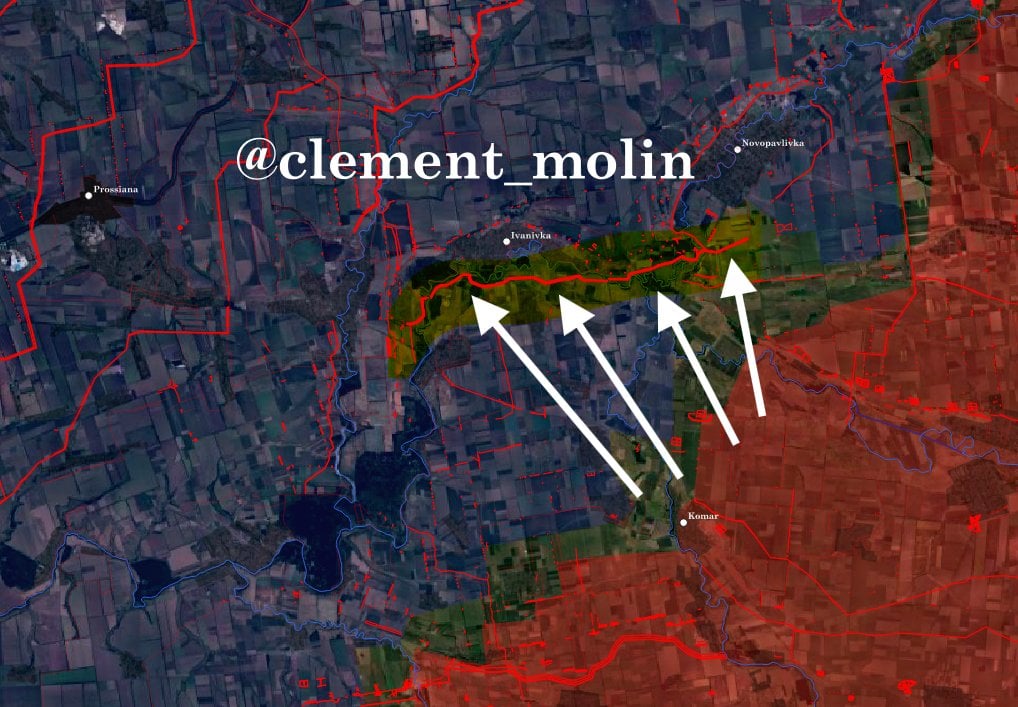
Currently, the first Russian units are attempting to infiltrate the Shevchenko area near Dobropillya, where there is also a defensive line. It has not yet been completed. It will soon become clear how effectively the Ukrainian military will be able to utilize it.
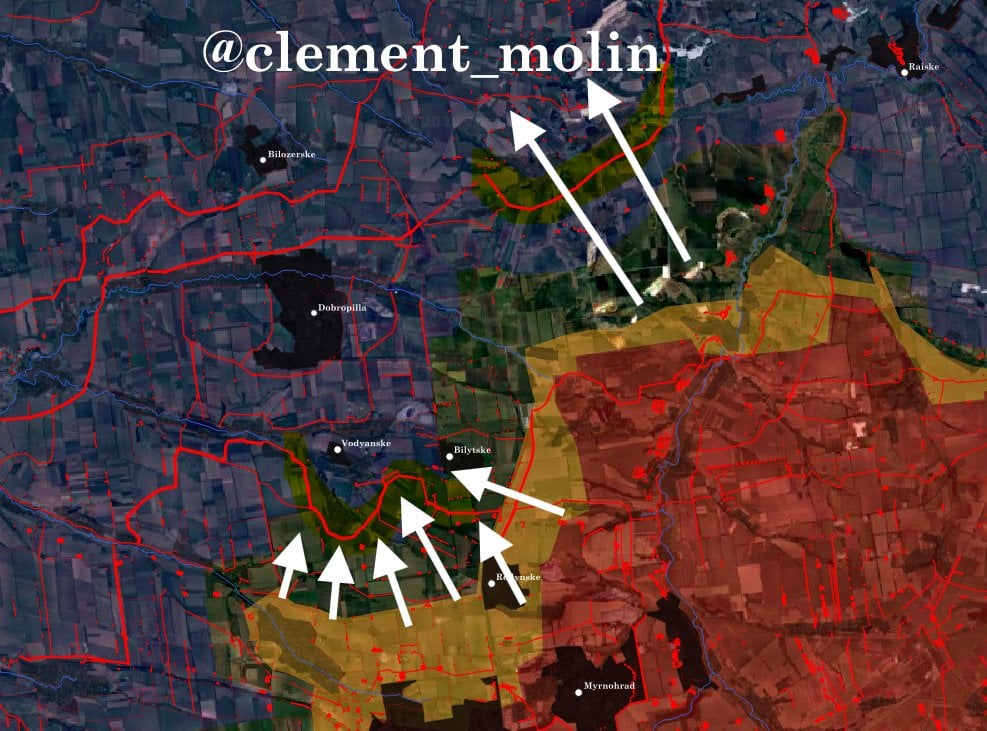
The latest changes to the defense system relate to its continuity and depth.
In 2025, many lines simply ended at a ravine, river, road, forest strip, or forest. Now, efforts are being made to prevent this from happening.
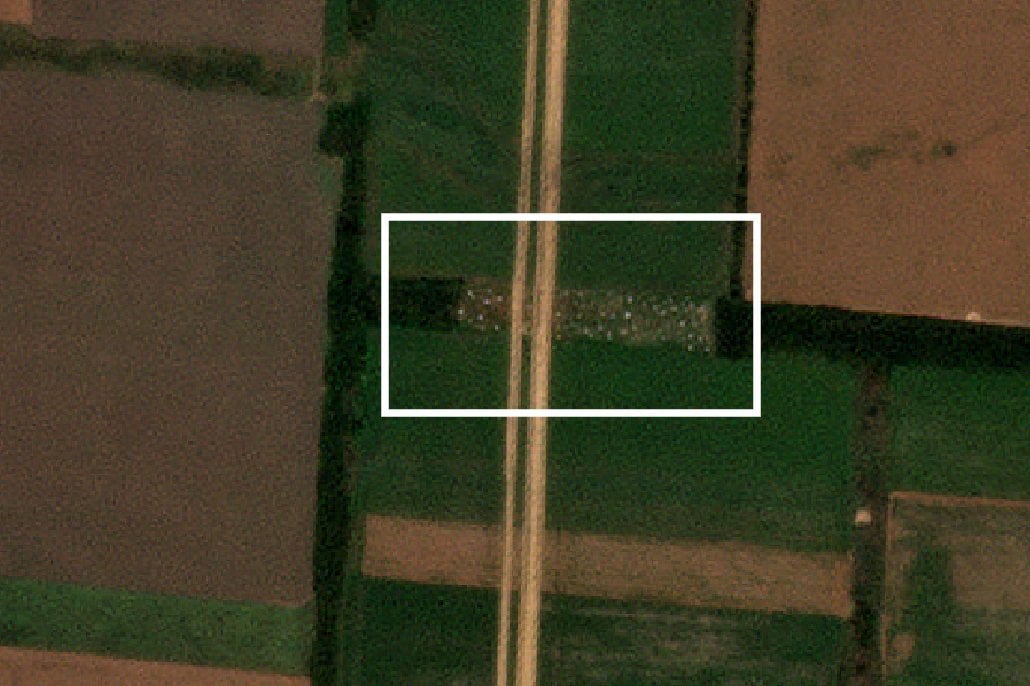
Buffer strips and forests are being cleared for at least 500 meters. Rivers are additionally protected with barbed wire. Roads and dirt paths are blocked with side ditches and wire to direct enemy movement in the desired direction.
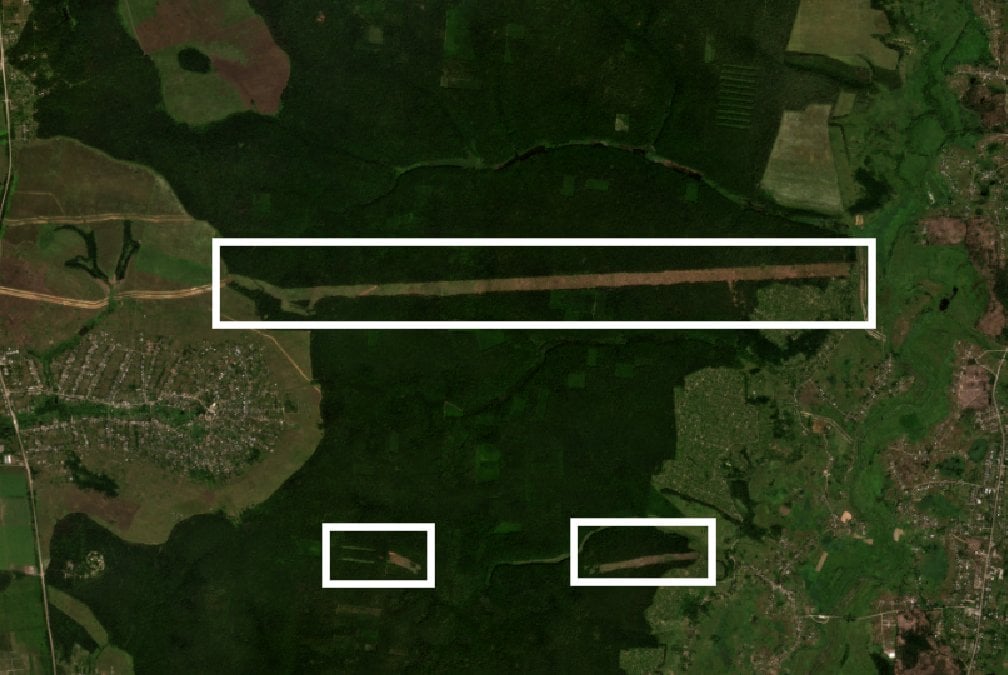

Whereas in the past many lines existed separately, flanking connections are now established between them. Behind the first line, there may be a second, third, fourth, fifth, and even sixth line of defense.
At the same time, Ukrainian trenches, dugouts, and other positions have not disappeared. They are simply being better camouflaged.
Thousands of positions, including trenches and concrete bunkers, are located within forest strips and forests several hundred meters behind the main line. From there, Ukrainian infantrymen and drone operators can constantly monitor the territory.
The defense of cities has also changed significantly.
In the past, cities were often viewed as separate defensive strongholds. The front lines used to end right in front of them. Now, cities and villages are part of an integrated defense system.
Most positions near the front are fortified on all sides so they can be used for a circular defense. Cities and villages are also convenient for the concealed deployment of equipment and the operation of drones.
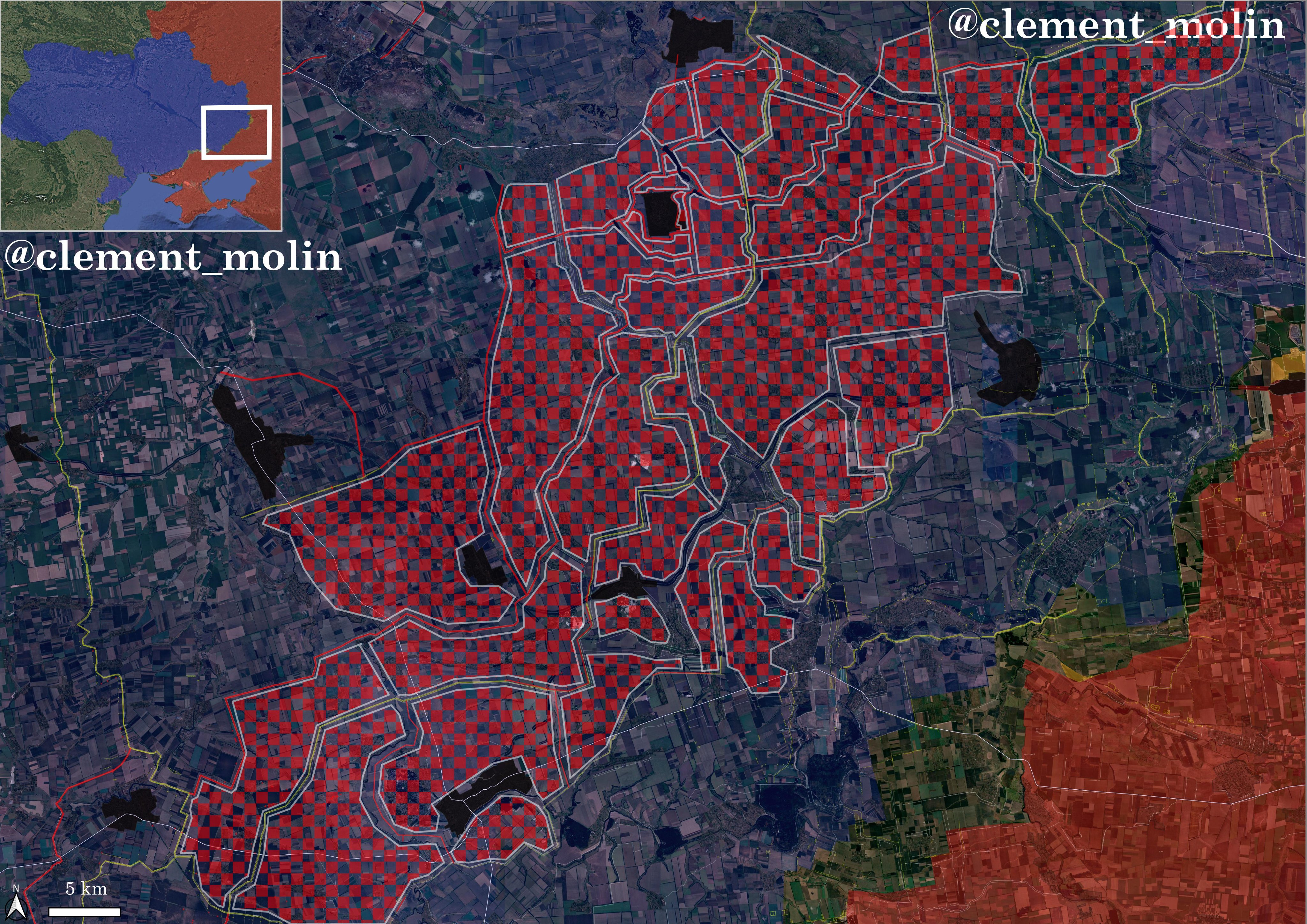
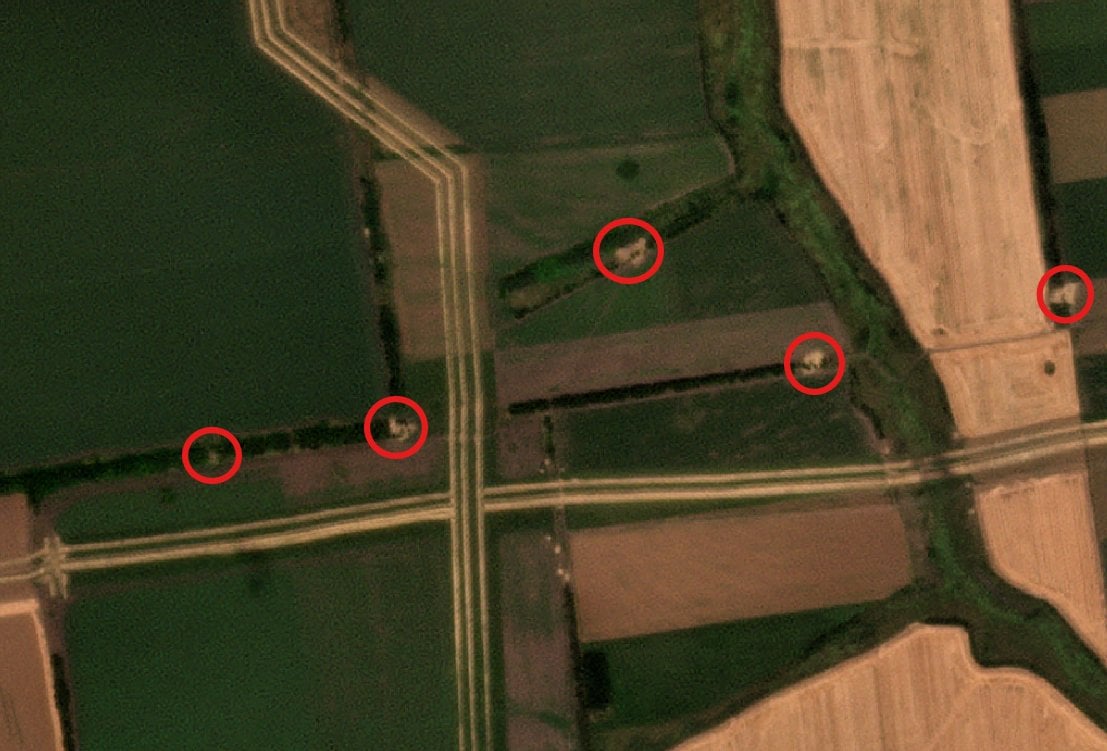
It is now clear that these lines make it easier to detect and destroy a Russian unit attempting to infiltrate across open terrain. In a city or village, it is much easier for the enemy to hide and remain undetected for weeks.
A separate issue is the shortage of Ukrainian military personnel.
For comparison, consider the situation in the Donbas in 2022–2023. At that time, Ukraine did not need to maintain massive forces along the entire 2014 front line. The territory was heavily mined, and an enemy advance was easy to spot.
Therefore, a relatively small number of soldiers could control a large section.
The new system works in a similar way. On average, there is one road every 5–10 kilometers along the line. This means that along a 100-kilometer stretch, it is necessary to constantly monitor approximately 10–20 key points while simultaneously keeping an eye on the rest of the territory.
These fortifications do not solve the problem of manpower shortages. But they are well-suited to Ukraine’s new tactics: fewer troops directly on the front lines, and more drone and ground-robot operators in the rear who can remotely monitor a vast territory.
Now let’s return to the line between Orekhov and Izyum.
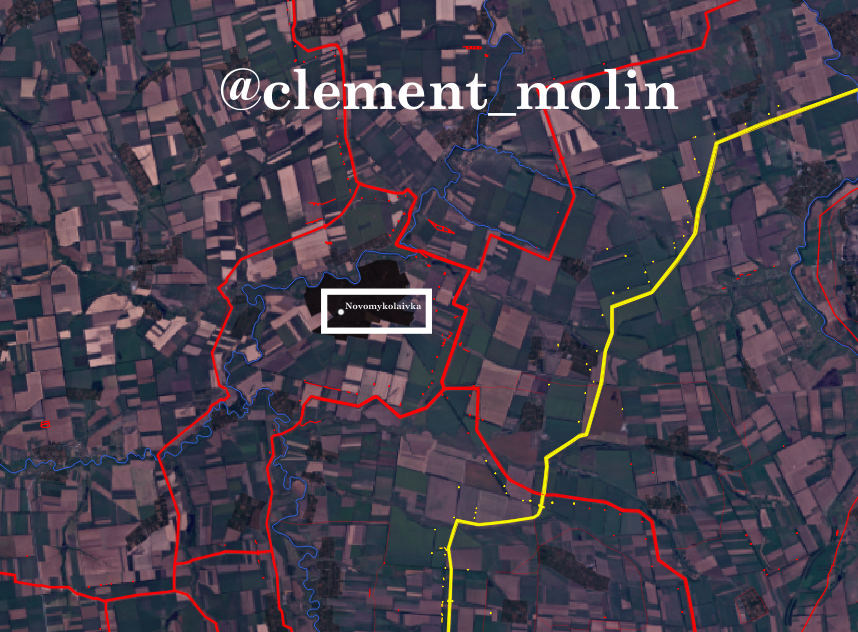
I chose it as an example because it is one of the longest continuous defensive lines. There are no gaps wider than 100 meters along it, including sections with rivers.
Furthermore, in the Orekhov area, it is close to the front line; near Petropavlovka, it serves as the sixth line of defense; and beyond Kramatorsk, it is the third.
In reality, this is not a single line built all at once. It consists of several sections that were constructed at different times and in different directions. Therefore, it is impossible to draw clear lines for the first, second, or third lines of defense across the entire 300 kilometers. Their depth and location vary depending on the specific section.
This system has a beginning and an end.
The southernmost part is located west of Hulyaypole and is the most vulnerable. There is only one anti-tank trench here, which connects to a line built back in 2024. That old line is now obsolete and has many gaps. At the time, it was considered the second line of defense for southern Ukraine.
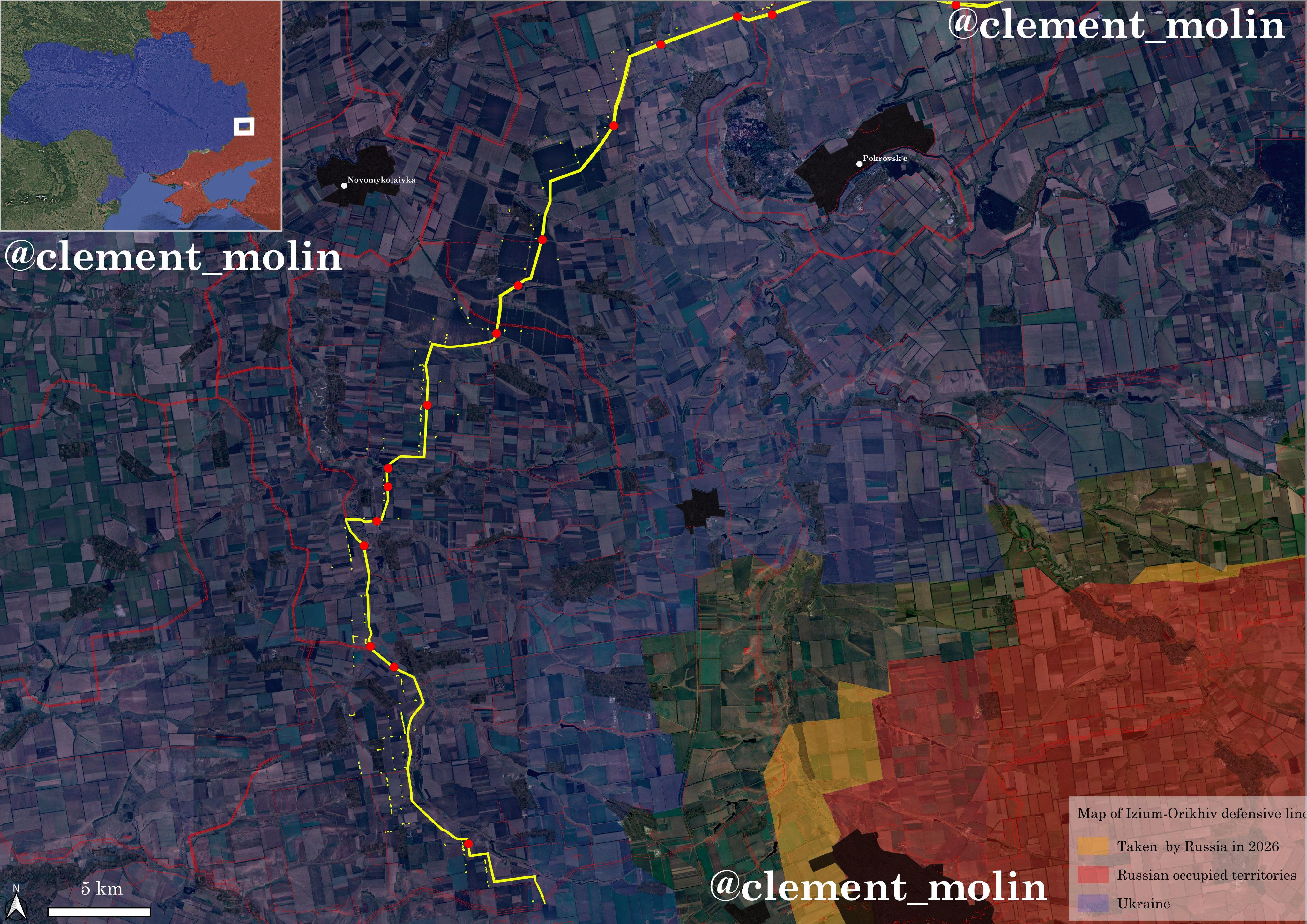
In the north, the line ends southeast of Izyum, on the banks of the Seversky Donets River. This section, which serves as the third line of defense west of Kramatorsk, is nearly complete.
The line runs past Novomikhailivka, Chaplyne, Shakhtarske, Petropavlivka, Oleksandrivka, and Barvinkove. These small towns serve as rear bases.
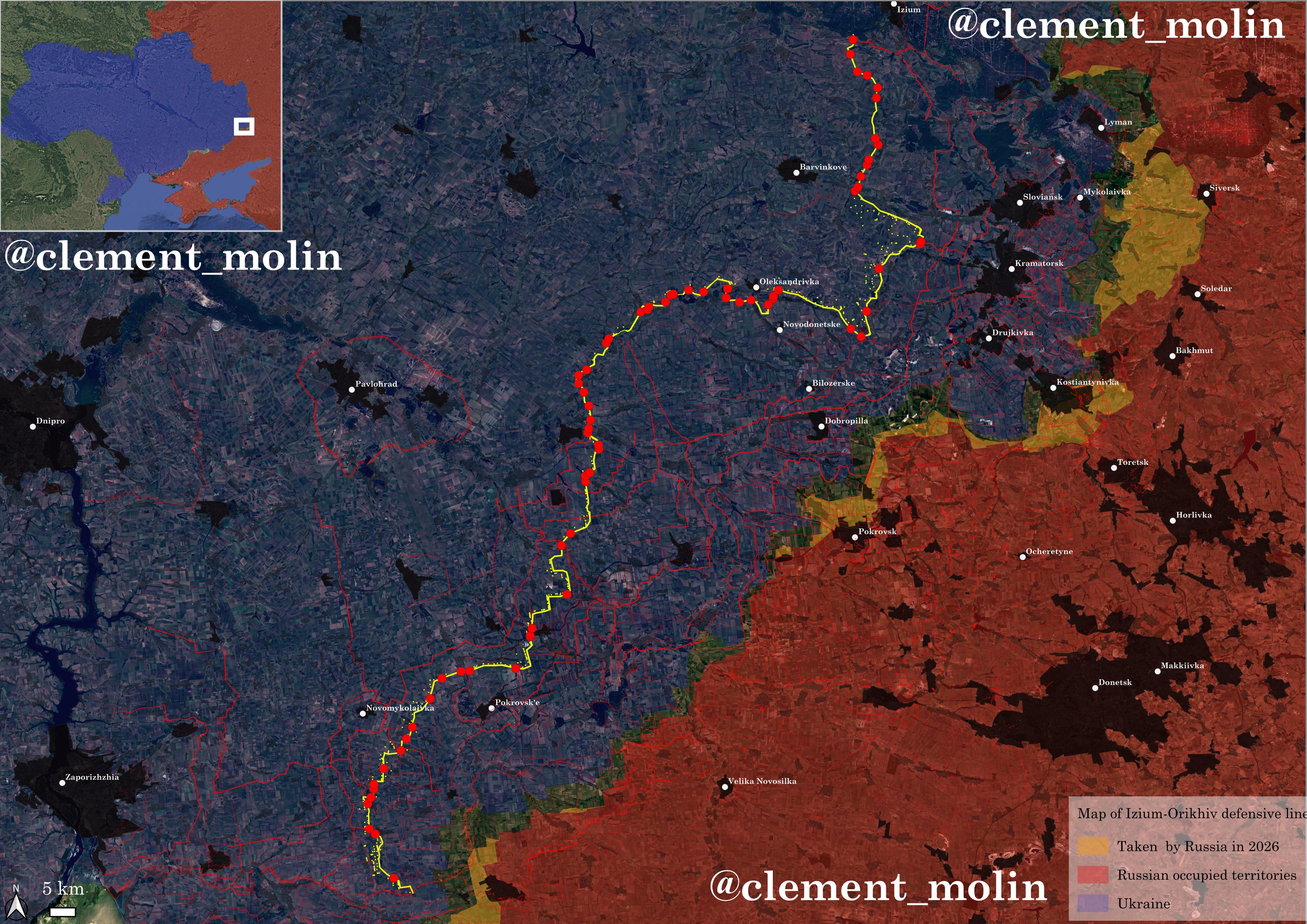
In total, I counted about 67 fortified roads and passages. Of these, 13 are located on the most dangerous 61-kilometer stretch between the Volchya River and Orekhov.
Behind this line, which is about 300 kilometers long, satellite images show at least 500 positions. Some of them are already hidden by vegetation.
At the same time, on a 110-kilometer stretch—which is either about 50 kilometers from the front line or was built very recently—only about 30 positions are currently visible.
Thus, approximately 470 positions are visible along the remaining 190 kilometers. On average, that’s about four positions per kilometer.
The actual number is most likely three to five times higher. This figure does not include deeper positions, objects that cannot be seen from a satellite, or positions within populated areas.
Some might say that the impact of these lines on the front line is practically imperceptible so far. And that is indeed the case.
But currently, only about 8 kilometers of such lines are located directly on the active section of the front in the Zaporizhzhia and Kharkiv regions. The total length of the active front line is about 650 kilometers. In other words, we’re talking about roughly one percent.
The first major battles around these new lines will likely begin toward the end of the year in several sectors at once.
Overall, these fortifications form an entire network behind the front line. The first of them are located approximately 5, 10, or 15 kilometers from the front line.
For now, they are not under constant combat pressure and are needed primarily to prevent a deep breakthrough by Russian forces. Their main role will become apparent when Russian units begin to approach these positions.
Such lines are no substitute for military personnel. But fewer people are needed to defend them. This allows firepower to be concentrated on several key sectors.
Can Russia break through such a defense with powerful strikes? Yes. And the first attempts are already evident.
Between Gulyaypole and Orekhov, approximately 25 airstrikes were carried out along this line. However, so far they have lacked sufficient precision, and the area of impact has not been sufficient to create genuine breaches in the defense.
Going forward, Russia will obviously attempt to destroy these fortifications with massive strikes. But this will require time and enormous resources. Moreover, behind the first line of defense will be three, four, five, or even six additional lines of defense.
I believe that Putin has no intention of ending the war and that it could continue for several more years.
Therefore, it is not enough for Ukraine to simply inflict heavy losses on the Russian army. Every new Russian advance must come at such a high cost that further offensives cease to be worthwhile.
This is the essence of the entire system: fortifications, drones, artillery, and medium-range weapons must work together.
This is just one example that helps illustrate Ukraine’s overall strategy. Hundreds of thousands of kilometers of deep trenches and other defensive structures have already been built on both sides of the front line.

Bank's name: Bank Millennium S.A.
Address: ul. Stanislawa Zaryna, 2A, 02-593, Warszawa
IBAN: PL97116022020000000216711123
SWIFT: BIGBPLPW
Name of the account holder: Fundacja “KARTA ‘97”
Purpose/title of payment: Donation for statuary aims
You can contact us by the e-mail [email protected]