Latvia Will Impose National Sanctions Against Russian Oligarchs
2- 22.09.2026, 20:20
The country's government issued a statement.
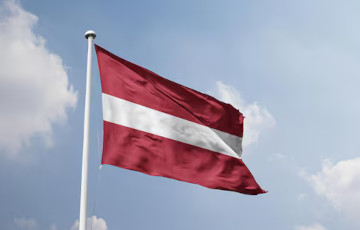
Latvia will impose national sanctions against Russian oligarchs Alisher Usmanov and Mikhail Fridman after making concessions and lifted its veto on excluding these oligarchs from the EU sanctions list.
This is stated in a September 22 statement by the Latvian government, as reported by “European Truth”.
The Latvian Cabinet of Ministers has instructed the Ministry of Foreign Affairs to immediately prepare a proposal, a legal justification, and the necessary draft legislation so that Latvia can impose national sanctions against Usmanov and Friedman.
“Latvia will continue to use all legal instruments at its disposal to prevent the unfreezing of these individuals’ funds and economic resources in Latvia,” the government statement reads.
It is also reported that the Cabinet of Ministers, at a closed-door meeting on Tuesday, agreed on Latvia’s course of action regarding the extension of European Union sanctions against Russia. The agreement reached ensures that individual sanctions against more than 2,600 Russian pro-war figures and associated individuals and organizations will be extended for the next three years, whereas until now such a decision had to be made every six months.
At the same time, during the decision-making process by the Council of the European Union, the Latvian representative will abstain from voting, thereby maintaining and publicly expressing Latvia’s political disagreement regarding the removal of both individuals from the EU sanctions list.
“Throughout the entire negotiation process with the leaders of EU member states, Latvia opposed the removal of politically targeted individuals from the list of individual sanctions and was the only EU member state to do so until the very end. This was the morally correct position, and our allies in Ukraine appreciated it,” said Prime Minister Andris Kulbergs.
He added that “this was not a choice between a good and a bad decision, but between a bad one and a much worse one—the possibility of having to choose between changing the status of two individuals and the future of the entire sanctions regime.”
“By deciding to support the further imposition of sanctions against these individuals, we have achieved a result that is more beneficial for Latvia, Ukraine, and Europe in the long term,” said the Latvian prime minister.

Bank's name: Bank Millennium S.A.
Address: ul. Stanislawa Zaryna, 2A, 02-593, Warszawa
IBAN: PL97116022020000000216711123
SWIFT: BIGBPLPW
Name of the account holder: Fundacja “KARTA ‘97”
Purpose/title of payment: Donation for statuary aims
You can contact us by the e-mail [email protected]