
A Former Vice Principal Spoke About Shocking Changes In Belarusian Schools
36- 10.09.2026, 11:56
- 13,988
Photo: gazetaby.com
"You find yourself thinking, 'Oh my gosh, how much more of this can I take?'"
The school year in Belarusian schools began with some shocking new measures: students can now be searched upon entering school buildings, parents whose children regularly skip classes will be fined, and Lukashenko expressed dissatisfaction with the physical fitness of young people and ordered that students be “shaken up” in this regard.
In addition, Education Minister Andrei Ivanets made a series of statements that outraged parents of schoolchildren. For example, he believes that students do not need tutors—parents can easily take on that role themselves.
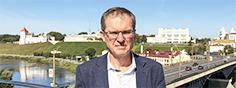
To find out why this is happening, “Filin” spoke with teacher Tatyana Krapinevich, who worked as the deputy principal for pedagogical affairs at the gymnasium in Lyakhovichi and, after being forced to relocate, now works at a Polish school.
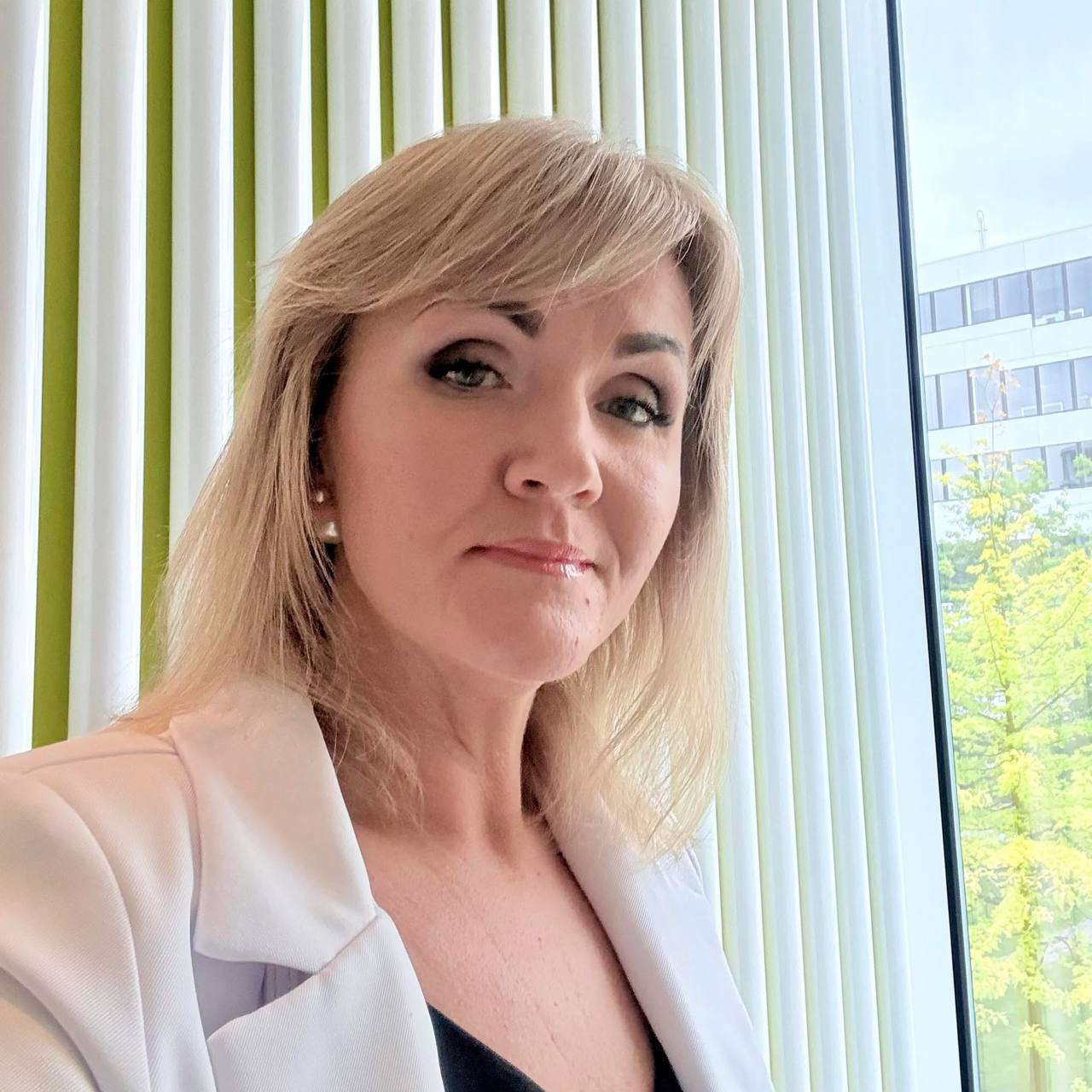
— Almost every day, the Ministry of Education makes statements and comes up with new restrictions, escalating the situation. You start thinking: ‘Goodness, how much more of this can there be?’ I can’t single out just one thing here; I have more of a question: how much of this is actually lawful?” says the teacher. — Take those searches, for example—they’re a violation of children’s rights, specifically the right to privacy. How competent are the people who will decide who to search, and those who will actually conduct the searches?
Or take the story at the Baranovichi school regarding appearance, where their very own 2025 internal regulations speak of protecting human dignity, yet now they’re dictating exactly how a child’s hair must be styled. I believe that neatness does not equate to infringing on a person’s right to self-expression.
@gazetaby Dyeing your hair is not allowed, nor is wearing it down. A school in Belarus has published a list of requirements regarding students’ appearance #belarusnews #BelarusNow #beltiktok #mediaSolidarity #gazetaby ♬ Original sound - Solidarity (gazetaby)
A rule must solve a specific problem. What problem does the rule—which prohibits boys from having designs shaved into their hair—solve? What problem will random searches of children or increased physical training solve?
When officials say that parents are to blame for overcrowded first-grade classes or that tutors aren’t necessary because parents themselves should be able to explain a problem to their child, they’re trying to hide the fact that there are a host of problems in education: a shortage of teachers and a poorly qualified teaching staff.
At the same time, they’re imposing strict measures and forcing everyone into a mold so that no one has the right to complain. As if to say, “Look, we can do anything: monitor you if we don’t like something, dictate how you should look, and so on.” It’s as if a child has to choose their appearance from a catalog, and everything is being standardized. So, on the one hand, the authorities are shifting the problem from the sick to the healthy, and on the other—they’re intimidating people.
This year, I really sympathize with parents and teachers. And I understand why the situation in Belarusian education is only getting worse: many people who value themselves simply cannot work under such conditions.
As for increasing physical training, physical education here is still based on performance standards. Children are all different, with different abilities and characteristics. One grew 10 centimeters over the summer, while another didn’t grow at all. But everything is standardized: all boys must complete a certain number of repetitions, and all girls must do the same.
And in general, physical education as part of the school day… Well, it’s such a cumbersome system. Older children go to PE in the middle of the day, but they don’t even have a chance to take a shower. And then they have to switch gears for science class. The system doesn’t adapt to either the child or the schedule; it merely becomes a tool of control and intimidation in the hands of the state.
Tatyana Krapinevich, who currently works in Poland, draws a comparison:
— When I tell my Polish colleagues about the new rules in Belarusian schools—that children are searched at the entrance or aren’t allowed to have their hair down—they look at me with wide eyes and ask: How is this possible in 21st-century Europe? I say: “Well, that’s just how it is.”
In Poland, for example, you’re also not allowed to use a phone at school, but there’s no pressure on the child, no monitoring, and no aggression. And they explain why the rule exists. Everything is backed up by reasoning.
Here, people’s comfort comes first—and it doesn’t matter if you’re a student, a teacher, or a support staff member. But in Belarus, unfortunately, there’s a hierarchy: they love to show everyone their place and who’s in charge.

Bank's name: Bank Millennium S.A.
Address: ul. Stanislawa Zaryna, 2A, 02-593, Warszawa
IBAN: PL97116022020000000216711123
SWIFT: BIGBPLPW
Name of the account holder: Fundacja “KARTA ‘97”
Purpose/title of payment: Donation for statuary aims
You can contact us by the e-mail [email protected]