
CIA Director's Secret Visit To Moscow: There Have Been Only Four Such Visits In 10 Years
1- 26.08.2026, 18:46
- 1,742
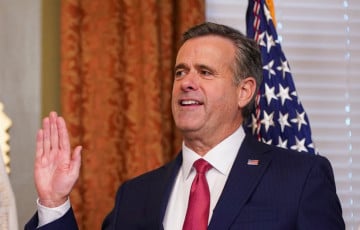
Photo: Reuters
What Ratcliffe Might Have Told Putin.
The unexpected secret visit by the director of the U.S. Central Intelligence Agency John Ratcliffe to Moscow was only the fourth trip by a CIA director to the Russian capital in the past 10 years.
Ratcliffe visited Moscow for the first time as CIA director. He also became the highest-ranking U.S. official to visit the Russian capital since January 2026 (at that time, Donald Trump’s special envoy Steve Whitcoff and the U.S. president’s son-in-law Jared Kushner had visited Moscow).
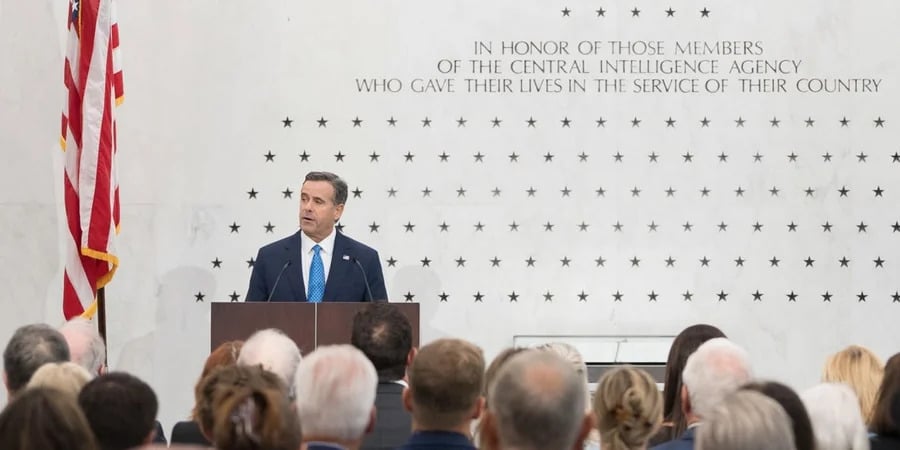
New Voice recalls when and why CIA directors traveled to Moscow in previous years and what events took place before and after those visits.
The Syrian War
March 2016 (during the presidency of Barack Obama): CIA Director John Brennan made a secret visit to Moscow. His visit only became public knowledge several weeks later. At that time, Russian authorities acknowledged that he had met with at least representatives of the Russian Federal Security Service (FSB), although Moscow denied any contacts between him and the Kremlin. On March 14, 2016, shortly after Brennan’s visit to Moscow, Vladimir Putin announced that Russia was ending its military operations in Syria and would withdraw part of its forces from the country following an airstrike campaign in support of the government forces of Syrian dictator Bashar al-Assad. Formally, Putin explained the withdrawal of the main contingent of the Russian Aerospace Forces by stating that they had “fulfilled their assigned tasks.”
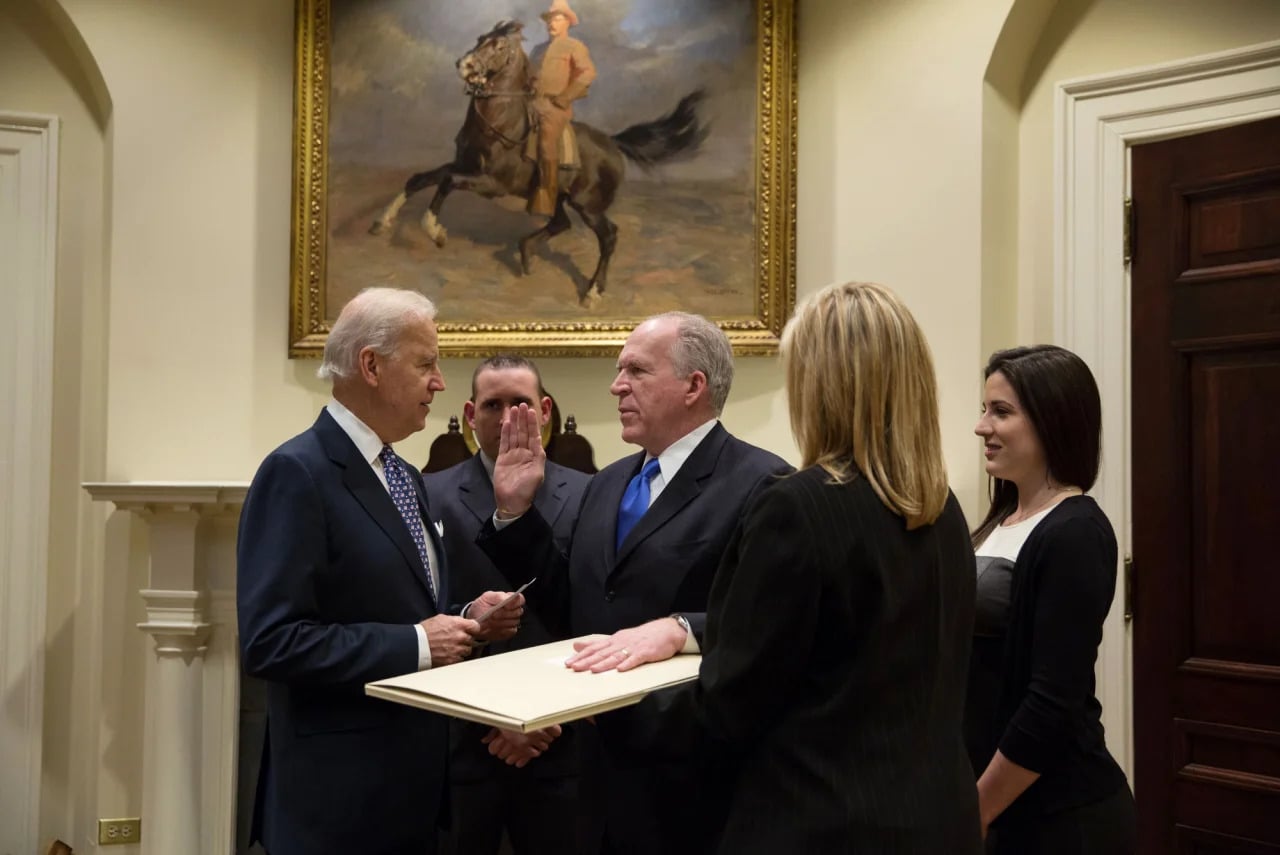
The Kremlin denied any connection between this decision and the visit by the CIA director. However, the U.S. Embassy in Moscow subsequently confirmed that during his visit to Moscow, Brennan did indeed discuss Syria and, in his meetings with Russian officials, emphasized “the importance of Russia and the Assad regime honoring their commitments to the ceasefire in Syria.” The U.S. State Department also explained that the CIA director had insisted in Moscow on the need for political change in Syria and for Assad to step down—in order to facilitate a transition that “would reflect the will of the Syrian people.” However, the Syrian dictator remained in power until the fall of his regime in late 2024.
At that time, in the spring of 2016—after the CIA director’s trip and Putin’s decision to partially withdraw Russian troops from Syria—then-U.S. Secretary of State John Kerry visited Moscow. Kerry met with Putin and Russian Foreign Minister Sergey Lavrov.
Russian interference in the U.S. elections
May 2017 (Donald Trump’s first presidential term): CIA Director Mike Pompeo secretly visited Moscow. Later, U.S. media reported that he had been in contact with representatives of Russian intelligence agencies. The trip took place at a time when Pompeo was publicly accusing Russia of “trying for decades to undermine American democracy.” At that time, the U.S. Congress and the FBI were investigating Russia’s alleged influence on the results of the 2016 U.S. presidential election and Moscow’s attempts to prevent the election of Hillary Clinton [who was ultimately defeated by Trump]. Hackers linked to the Kremlin were then accused of attacking the Democratic Party’s servers and publishing the data obtained from them.
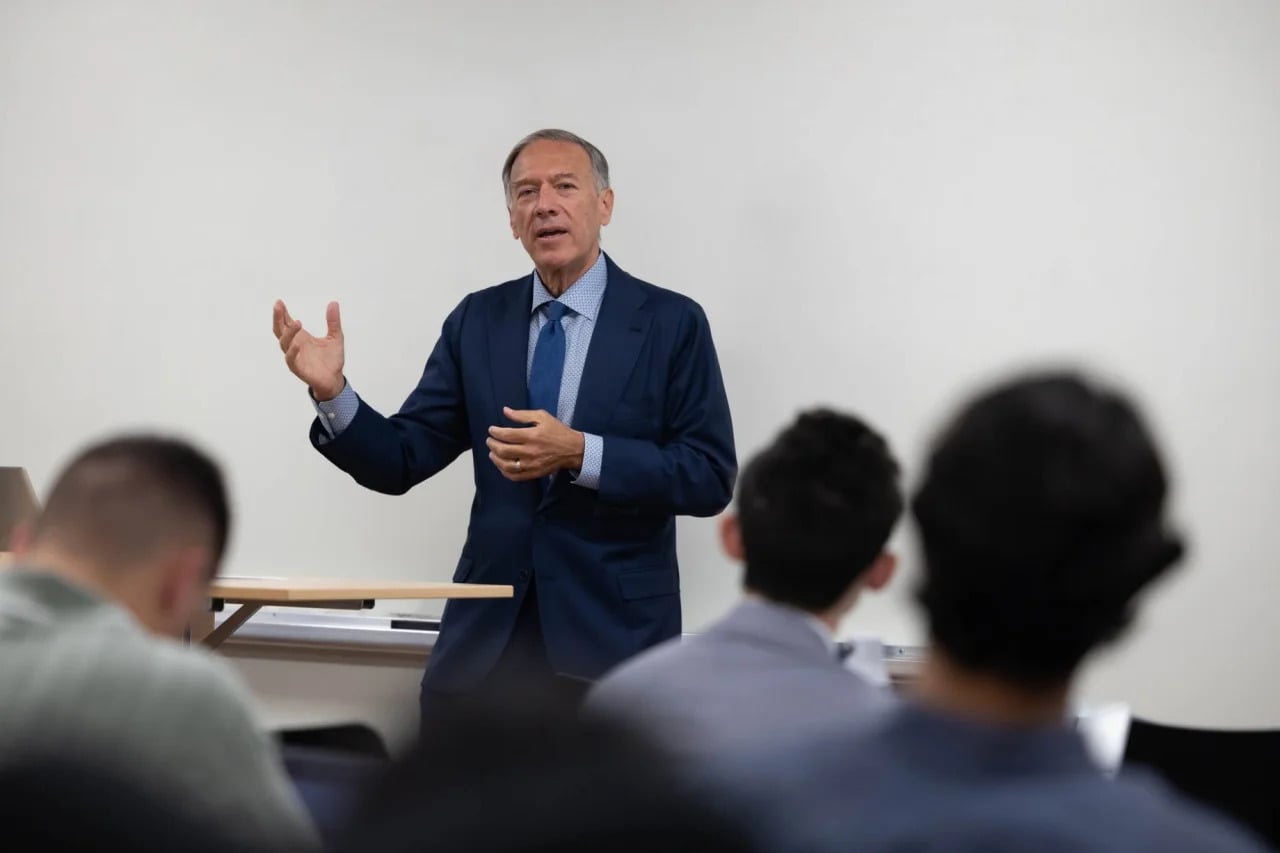
The official purpose of this visit and the topics of Pompeo’s talks in Moscow were not disclosed. However, experts from the British Royal United Services Institute for Defense Studies (RUSI) speculated at the time that, against the backdrop of extremely “toxic” and “politically charged” U.S.-Russia relations at that time, the CIA director needed to discuss a number of “practical issues” with Russian intelligence agencies. These could have included Washington’s attempts to reach an “informal agreement on cybersecurity” with Moscow or to “de-escalate certain aspects of the relationship,” a RUSI expert believed. At the same time, in May 2017, Pompeo participated in hearings on Russia in the U.S. Senate and testified before the Intelligence Committee. When asked whether Russia was a friend or foe of the United States, the CIA director replied, “It’s complicated.”
Russia’s full-scale invasion of Ukraine
November 2021 (Joe Biden’s presidency): CIA Director William Burns visited Moscow amid an expected Russian invasion of Ukraine and a buildup of Russian troops near the Ukrainian border. At that time, on Biden’s orders, Burns was to inform Putin and his inner circle that U.S. intelligence was aware of the Kremlin’s plans, as well as to warn of the consequences for Russia should it launch a full-scale war against Ukraine. When news of the visit broke, the Kremlin stated that Putin had spoken with Burns by phone, not in person. The CIA director also met with a number of high-ranking representatives of Russian security agencies.
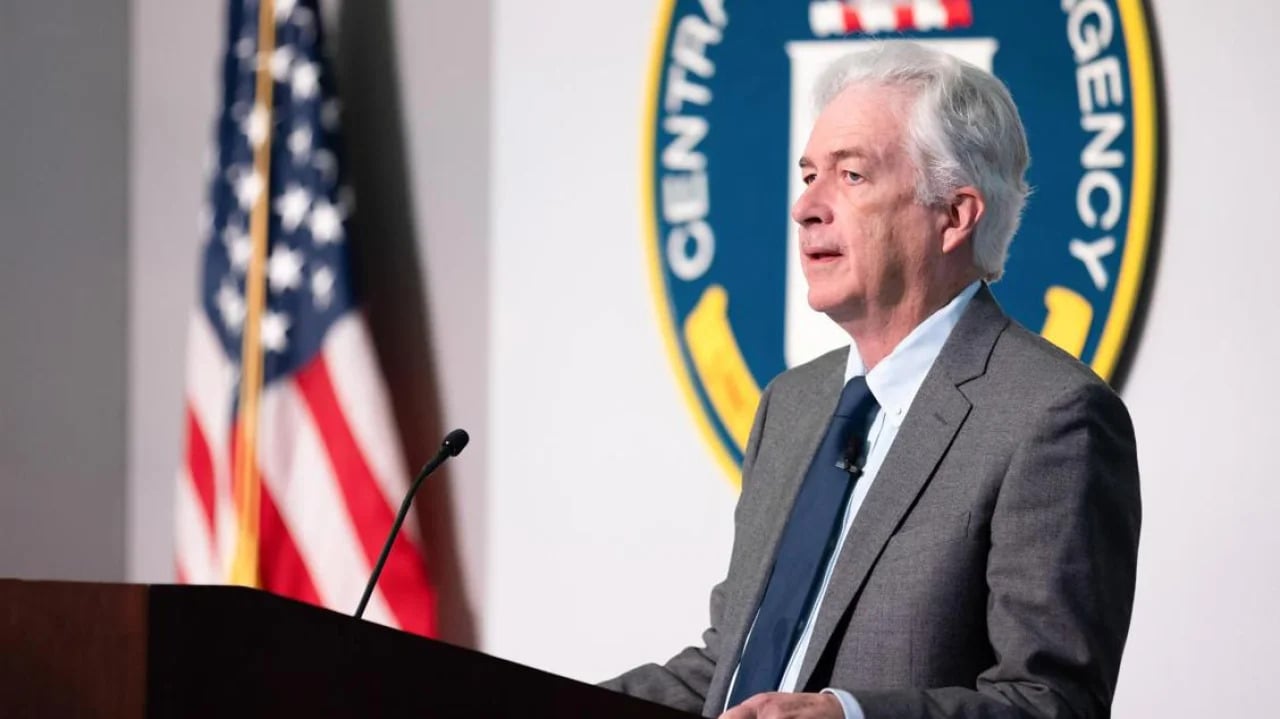
Later, already in the second year of Russia’s full-scale invasion, Burns recalled that in the fall of 2021 he left Moscow “even more concerned than when he arrived” there. While in the Russian capital, he became convinced that Washington’s awareness of Moscow’s intentions did not concern the Kremlin and that Putin was determined to wage a swift and victorious war against Ukraine.
In 2023, Burns also told reporters that, upon returning from Moscow that fall, he immediately called Ukrainian President Volodymyr Zelenskyyto relay the content of his conversation with Putin and warn Kyiv about Russia’s plans to launch an invasion tentatively in the winter of 2021–2022. “He [Zelenskyy] listened very attentively. I think it had a sobering effect on him,” Burns recalled. He was convinced that Putin intended to start a major war because of his obsession with bringing Ukraine under his control, since without it Russia could not be a “great superpower,” and Putin himself “could not become a great Russian leader,” — that was how the then-CIA director assessed the Russian dictator’s motives.
Ratcliffe’s Mysterious Visit
August 25, 2026 (Donald Trump’s second presidential term): CIA Director John Ratcliffe’s unexpected visit to Moscow took place against the backdrop of the Trump administration’s failed attempts to end Russia’s war against Ukraine and six months after the start of the U.S. operation against Iran. Kremlin spokesman Dmitry Peskov attributed the trip to “contacts between American and Russian intelligence agencies,” while no official statements were made in Washington.
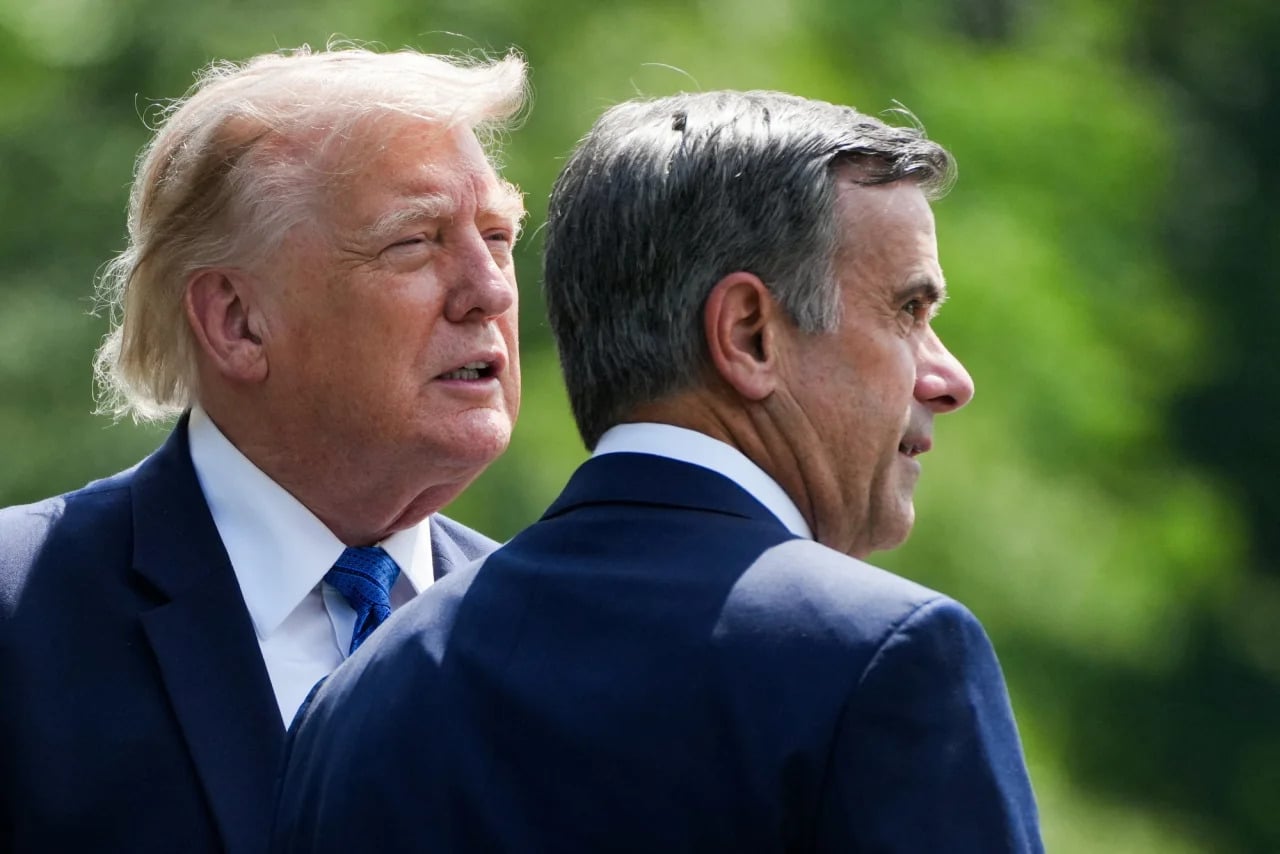
Ratcliffe’s visit prompted the international media and political analysts to speculate about what might have been the purpose of his trip to the Russian capital. The Wall Street Journal emphasized that shortly before this visit, the U.S. had gathered intelligence suggesting that Russia was likely preparing for a military mobilization in anticipation of a war against Ukraine, as well as plans by Moscow to “test NATO’s resolve.” In this regard, as suggested by American journalist and analyst Michael Weiss, Ratcliffe’s visit may have served as a warning to Russia amid its intentions to pursue a possible escalation against Europe and NATO. He noted that Washington had previously shared information about Moscow’s plans with Poland, as well as with the Baltic states and Scandinavia. “This [the CIA director’s visit to Moscow] could have been a message along the lines of: ‘We know what you’re planning to do, and you’d better not do it,’”—agreed Beth Sanner, former Deputy Director of National Intelligence for Intelligence Operations Integration. According to her, the visit may also be linked to a ceasefire between the U.S. and Iran and the involvement of a third party in the negotiations. Sanner suggested that Ratcliffe might have raised the issue of the Kremlin’s support for Iran in the war against the U.S.
A similar theory regarding Iran was voiced in a comment to Radio Free Europe by Bradley Bowman — a former U.S. Army officer, ex-advisor on national security issues to relevant U.S. Senate committees, and currently senior director of the Center for Military and Political Power at the Foundation for the Defense of Democracies. In addition, he expressed hope that among the issues raised by the CIA director in Moscow was “a direct demand that Vladimir Putin cease his blatant aggression against Ukraine.” According to him, Washington should have made it clear that if the war is not stopped, Russia will face increasingly severe measures, and the U.S. and its allies will continue to help Ukraine defend itself.
In turn, John Forman, who served as the British military attaché in Moscow from 2019 to 2022, suggested in a comment to BBC Radio 4 that this visit might be related to “de-escalation.” In particular, the need for this may have arisen following drone activity in Germany: in early August, a drone carrying explosives was discovered at Leipzig Airport near Ukrainian transport planes. “The Americans don’t usually send such a high-level official to Moscow without prior notice and on such short notice unless something important is happening,” Forman emphasized. He added that the trip could also have been related to the release of American citizens being held in Russia.

Bank's name: Bank Millennium S.A.
Address: ul. Stanislawa Zaryna, 2A, 02-593, Warszawa
IBAN: PL97116022020000000216711123
SWIFT: BIGBPLPW
Name of the account holder: Fundacja “KARTA ‘97”
Purpose/title of payment: Donation for statuary aims
You can contact us by the e-mail [email protected]