Iran, Following Russia, Has Been Hit By A Major Fuel Crisis
- 25.08.2026, 22:54
- 1,206
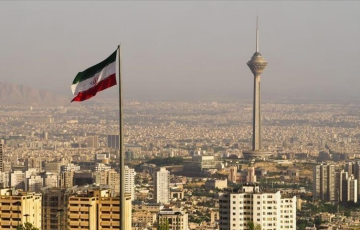
People are panic-buying gasoline.
Long lines have formed at gas stations in Tehran. The U.S. blockade has led to a fuel shortage and heightened anxiety among motorists, reflecting the war’s growing impact on Iran’s economy, according to Financial Times.
The panic erupted after the administration of U.S. President Donald Trump announced a new economic war campaign against Tehran. The Energy Conservation Organization—an Iranian government agency responsible for managing fuel resources—warned of a “critical” gasoline shortage.
An employee at a gas station in the capital said that people are rushing to fill up “even before their tanks run dry,” as they fear the war might resume or prices might rise. According to the employee, the 20-liter limit per car is forcing drivers to return to gas stations again and again.
Iran, a major oil exporter, has long relied on gasoline imports to make up for shortfalls in its own supply. However, the U.S. naval blockade, imposed on July 14, has significantly limited Iran’s ability to purchase fuel. Furthermore, early in the war, U.S.-Israeli airstrikes destroyed part of the country’s oil refining capacity.
Imports via northern routes have also become significantly more difficult due to the consequences of the war in Ukraine and Russia’s loss of a significant portion of its oil refining capacity.
The Energy Conservation Organization reported that Iran currently faces a shortfall of 15 million liters of gasoline to meet its total daily demand, which stands at 135 million liters.
Iranian officials say the fuel shortage has been exacerbated by a subsidy system that allows the country’s 90-million-strong population to access some of the cheapest gasoline in the world. Drivers pay between 15,000 Iranian rials ($0.0075) and 50,000 rials per liter. The government says the current quota system is no longer sustainable due to soaring inflation and supply disruptions caused by the war.
Iranian President Masoud Pezeshkian said this month that selling gasoline below market prices is putting enormous pressure on state resources needed to subsidize food and support workers. Meanwhile, Mohsen Hajji-Mirzai, head of Pezeshkian’s administration, said on August 24 that the government intends to reduce quotas, but a final decision on prices has not yet been made.
“People may have to pay higher prices for consumption exceeding their established quotas,” he said.
The prospect of raising fuel prices for a population whose purchasing power is now lower than ever is an extremely sensitive issue. For instance, Iran’s national currency has fallen to a new low in recent days—2 million rials per dollar. Annual inflation has approached 90%, while food inflation stands at around 130%.
It is expected that the Iranian government will continue to take short-term measures to ensure fuel supplies, while simultaneously seeking to develop public transportation as well as the domestic automotive and oil refining industries.

Bank's name: Bank Millennium S.A.
Address: ul. Stanislawa Zaryna, 2A, 02-593, Warszawa
IBAN: PL97116022020000000216711123
SWIFT: BIGBPLPW
Name of the account holder: Fundacja “KARTA ‘97”
Purpose/title of payment: Donation for statuary aims
You can contact us by the e-mail [email protected]