

Is The Wedding To Blame For Everything?
20- 21.08.2026, 16:30
- 16,824
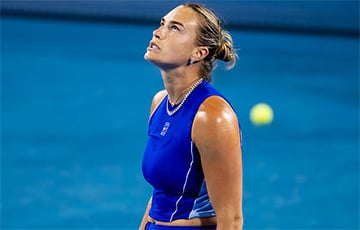
Photo: Getty Images
A Belarusian woman is planning to quit tennis.
On the night of August 20, Arina Sobolenko unexpectedly lost to an opponent who is far inferior to her in every respect. This defeat marked a continuation of the slump the Belarusian has fallen into, as she risks losing her status as the top player in women’s tennis, writes BetNews.
The crisis is plain for all to see
The world’s No. 1 player, a four-time Grand Slam champion, lost… No, we haven’t gotten used to those words. After all, Sobolenko hasn’t suffered more losses this season than in any of the previous ones: 41 wins and 9 losses in 2023 (82%), 34-11 in 2024 (76.5%), 47-9 in 2025 (84%), and 40-8 (83.4%) in 2026.
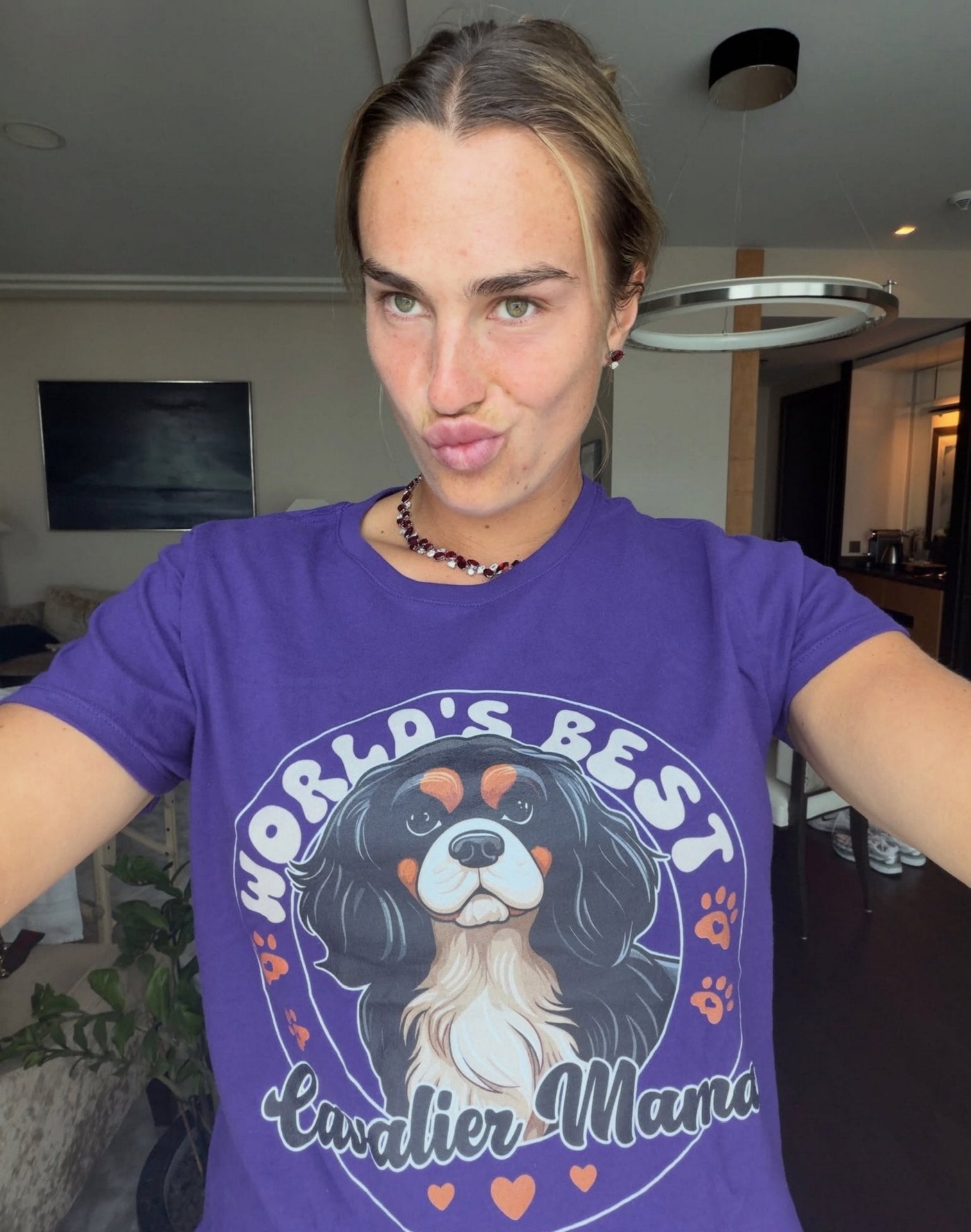
But at the same time, talk of a crisis for the world’s No. 1 player (a title she could lose as early as the day after tomorrow if Elena Rybakina reaches the final of the Cincinnati tournament) has been going on for more than a week.
So what’s the problem?
The Belarusian has been getting knocked out in early rounds—far from the decisive stages—losing to players who are far from the top tier; she hasn’t won a single WTA tournament this season, and these losses don’t appear to be random or a mere coincidence. In other words, they aren’t the result of her being out of form or her opponent playing exceptionally well.
This streak of misfortune has been going on for quite some time: after an impressive start to the year—a title in Brisbane (WTA-500), the Australian Open final, and victories at the 1,000-point tournaments in Indian Wells and Miami — came a streak of seven tournaments in which Arina not only failed to win a title but also reached the semifinals just once (in June at the WTA-500 tournament in Berlin).
And almost always, it was the underdogs who knocked her out of the draw. Madrid (WTA-1000)—quarterfinals, Hayley Baptiste (No. 32); Rome (WTA-1000) — Round of 32, Sorana Cîrstea (No. 26); Roland Garros — quarterfinals, Diana Schneider (No. 23); Berlin (WTA-500) — semifinals, Jessica Pegula (No. 4); Wimbledon — Round of 16, Naomi Osaka (No. 14); Toronto (WTA-1000) — Round of 16, Ekaterina Alexandrova (No. 19)…
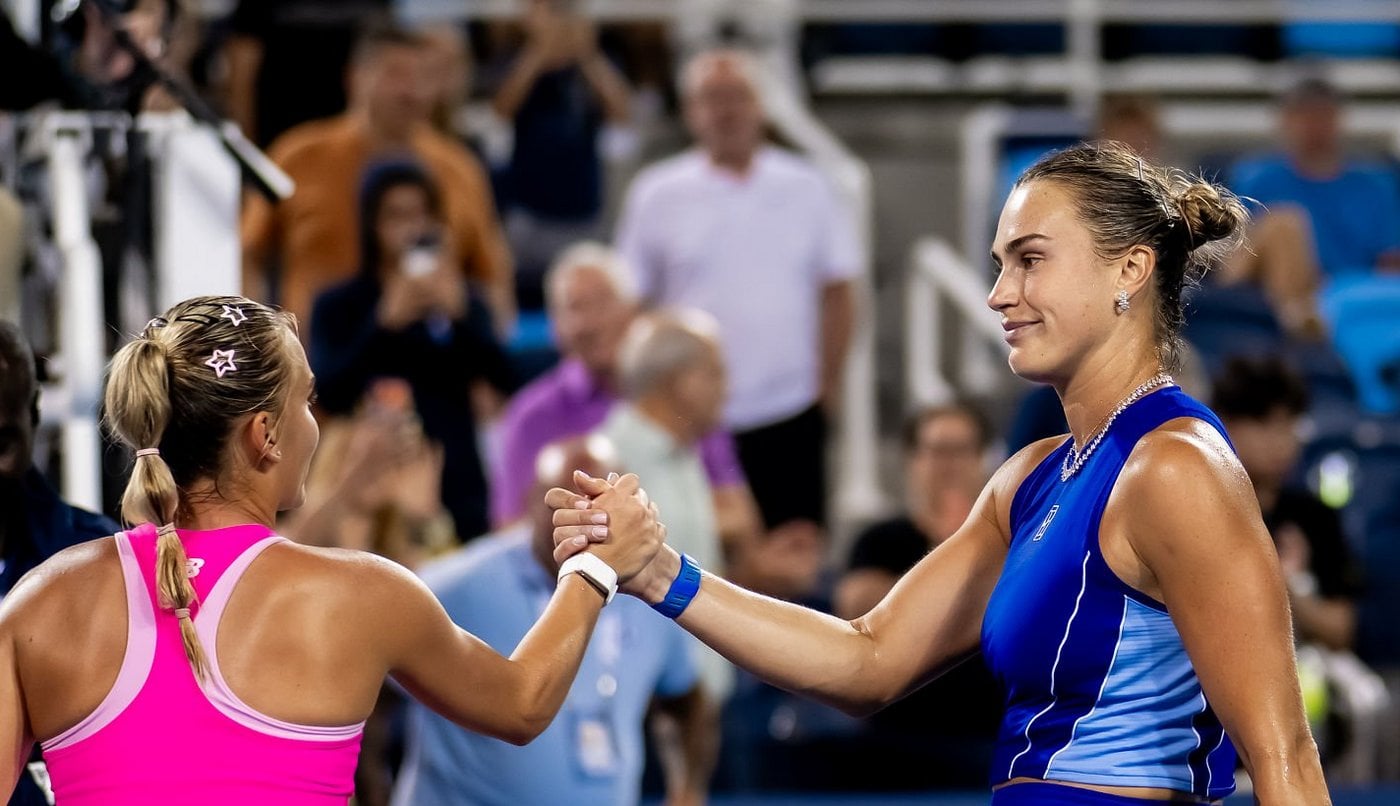
Her most recent loss was similarly illogical: in the fourth round of the 1,000-point tournament in Cincinnati, 20-year-old Czech player Sara Beylek (world No. 35), who had never previously beaten a top-10 player, pulled off a sensational upset over Sabolenko. And not just any win—she did it in two sets, turning the tide in both!
Missed Opportunities
In Cincinnati, the world No. 1 started with a pair of wins, and the second, over Wang Xinyu, was very convincing not only in terms of the score (6-1, 6-3) but also in terms of her play. It seemed as though Arina had regained her edge. But just two days later, we saw a different Sobolenko, a far cry from the player we saw in the 2024 and 2025 seasons.
That said, the start of the match against Bejlek went quite well. The Belarusian immediately broke serve, held her own serve, served well, attacked, played short shots, and controlled the match. But then Arina’s serve suddenly faltered, and her forehand went off the mark. It was precisely this string of unforced errors that allowed the Czech player to win three games in a row and take the lead, eventually forcing a tiebreak.
The favorite’s barrage of unforced errors laid the groundwork for yet another upset: the Belarusian led 5–1 (!), but somehow managed to lose the tiebreak after committing a staggering number of errors…
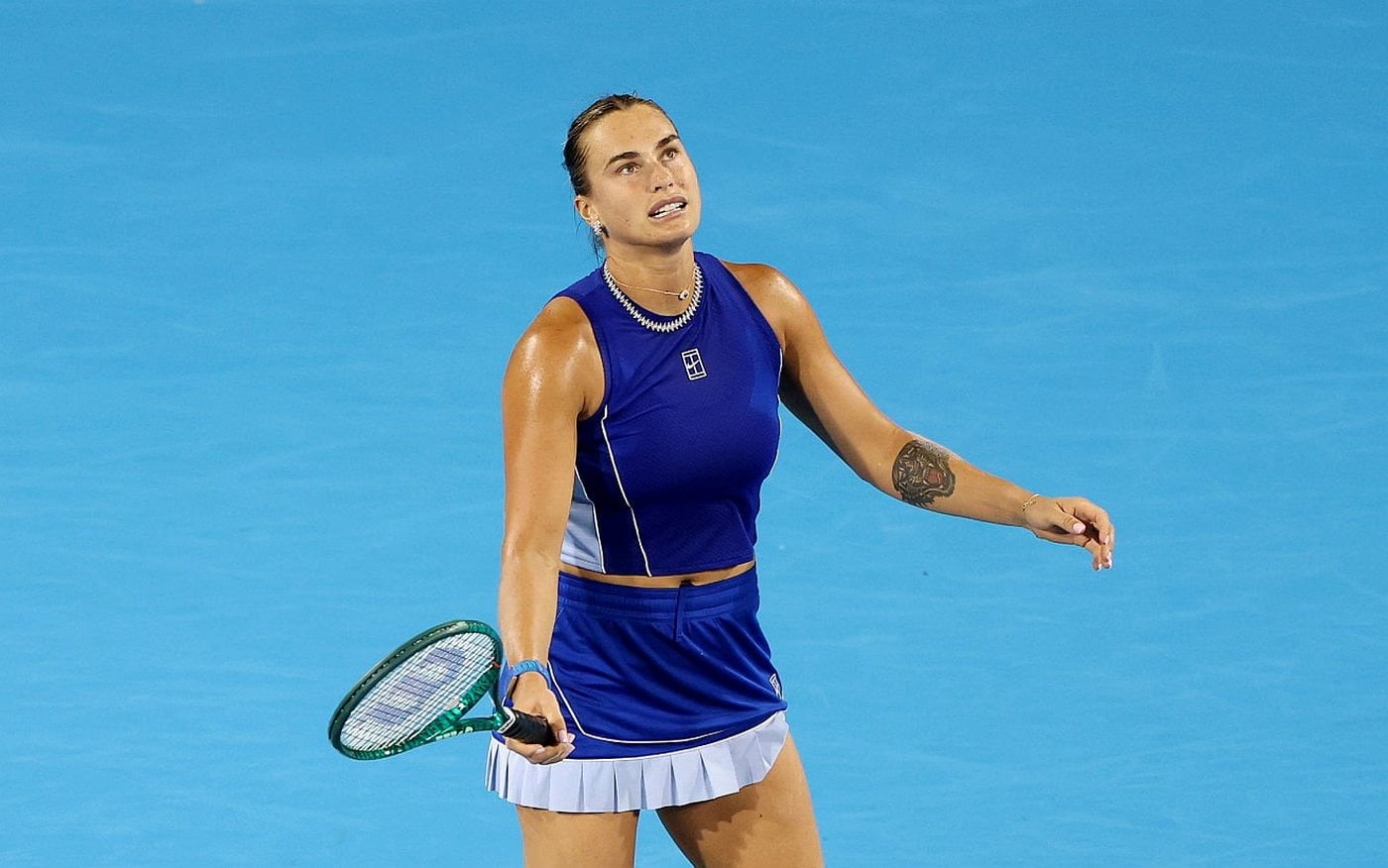
And as for the second set, it was less that Beylek won and more that Sobolenko lost. That said, one has to applaud the Czech player’s tenacity; she clung to her chance and didn’t give up even when trailing 1–4.
The medical timeout during the break between sets didn’t help Arina; she continued to make terrible mistakes on her serve, while playing aggressively on both her own and her opponent’s serves, committing a slew of unforced errors but still managing to score points for a time.
However, the barrage of errors intensified her nervous tension; emotions began to overwhelm the world’s No. 1 player, and once again she was unable to cope with them.
The pattern of Arina’s setbacks in 2026 varied: she lost in both two- and three-set matches, while leading in sets, while trailing in the first set, and in tiebreakers—letting victories slip away and even suffering shutouts! But in all of these matches, just as against Beylek, there was one key factor—a mental breakdown.
This time, it happened just when things were going great. Which led to her second 0-2 loss of the season. Beylek had 11 break points, 5 of which the Czech player converted, committing not a single double fault and firing 3 aces throughout the match.
“I’m completely speechless.” Beylek spoke about her victory over Sobolenko
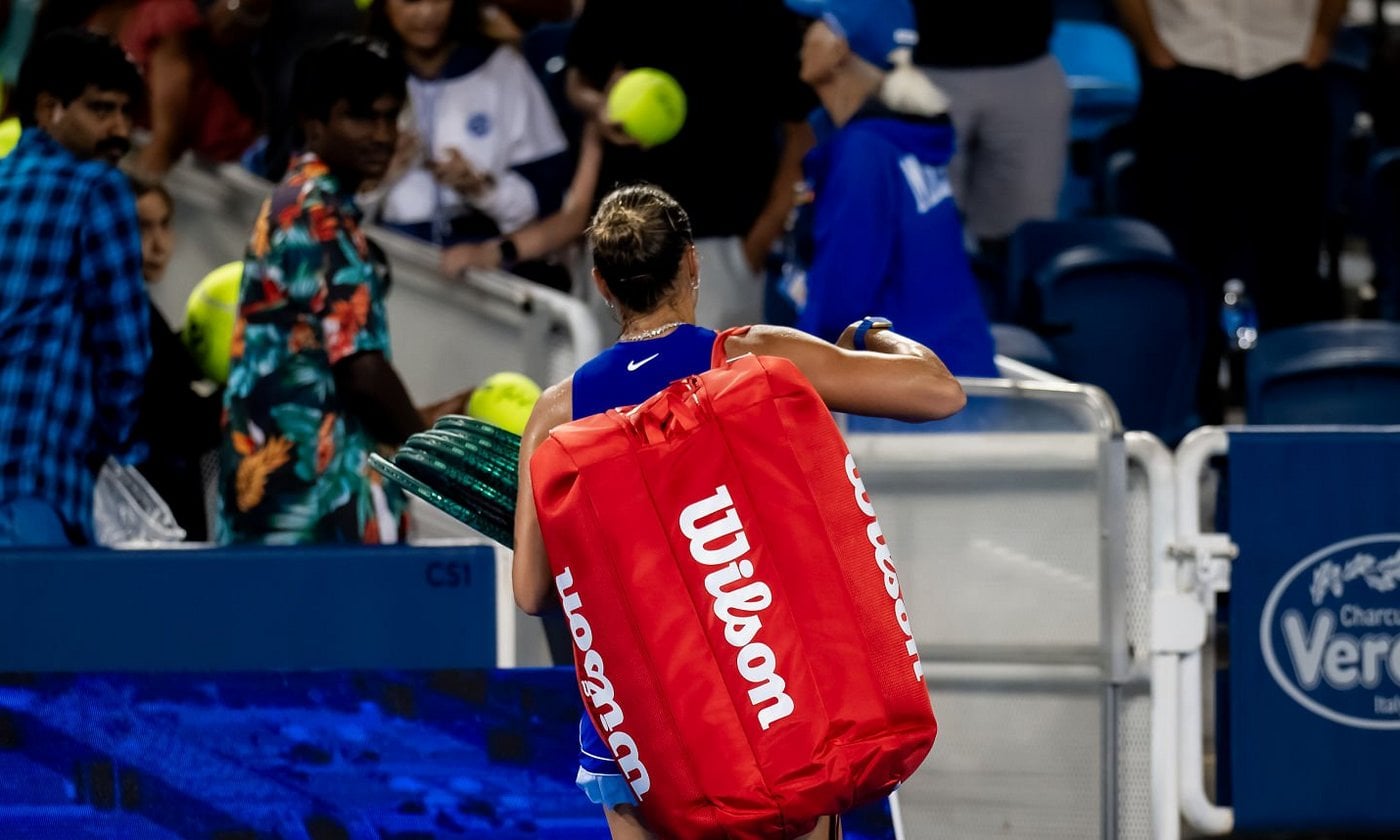
What’s the catch?
What is the reason behind Sobolenko’s slump? Many say it’s a psychological issue, since Arina hasn’t reported any health problems, although in May, during her match against Kyrstei in Rome, she called for a physical therapist several times.
“I felt like my body was holding me back, preventing me from playing my best tennis,” the Belarusian admitted at the time.
Since then, there has been no indication of an untreated injury—the 28-year-old tennis player has played enough matches, and in none of them has the injury been confirmed.
Moreover, she herself pointed to psychological issues. For example, in June she told reporters that after her setback at Roland Garros (in the quarterfinals, she won the first set against Diana Schneider, led 4–1 and 5–3 in the second, but lost 10 games in a row), she sought help from a psychotherapist.
“It was mentally very hard to accept that loss. I went to a psychiatrist, looking for a way to get through what had happened. It helped a lot. Sometimes you just need to talk to someone,” Arina confided.
Sobolenko’s fans (and not just them) attribute the slump to her engagement. They say that, in Miami—which feels almost like home—she won the title on a wave of euphoria, and then other concerns took over the bride-to-be’s mind.

But how do you explain the return of errors—including on her serve—and the loss of sharpness? After all, for the past year and a half, her opponents have been preparing accordingly to face the world’s No. 1 player.
Rick Macchi , former coach of the legendary Serena Williams , also noted a psychological slump in the Belarusian, who faltered after a strong start to the season and began to feel less confident on the court:
— Sabolenko is playing differently than before. She’s standing farther back behind the baseline, playing more defensively, and is holding back on her powerful cross-court shots earlier than usual. Psychologically, her confidence has been put to the test, and that incredible self-belief we saw before is no longer there.
The expert also noted that Arina’s opponents have begun to sense the vulnerability of the world’s top-ranked player of recent years:
— She’s always been emotional, but she used to be able to pull herself together in 20 seconds. She’s capable of regaining her focus, but now other players see her hitting balls out of bounds and into the net, and they’re starting to believe they can pull off an upset.
Her loss statistics confirm this: in Madrid, Arina failed to convert 6 match points; at Roland Garros, she squandered a 6–3 lead, 4–1 lead; in every match, she had strong stretches, but then a turning point would come, and she couldn’t dig herself out of the hole. Part of the reason was that her main weapon—her serve—disappeared.
Sobolenko’s team has yet to figure out the reason. Perhaps an answer will be found before the US Open. But at least her last two losses were due to this: we’ve already mentioned the crushing defeat to Beylik, and in the match against Aleksandrova, Arina landed her first serve only 55% of the time.
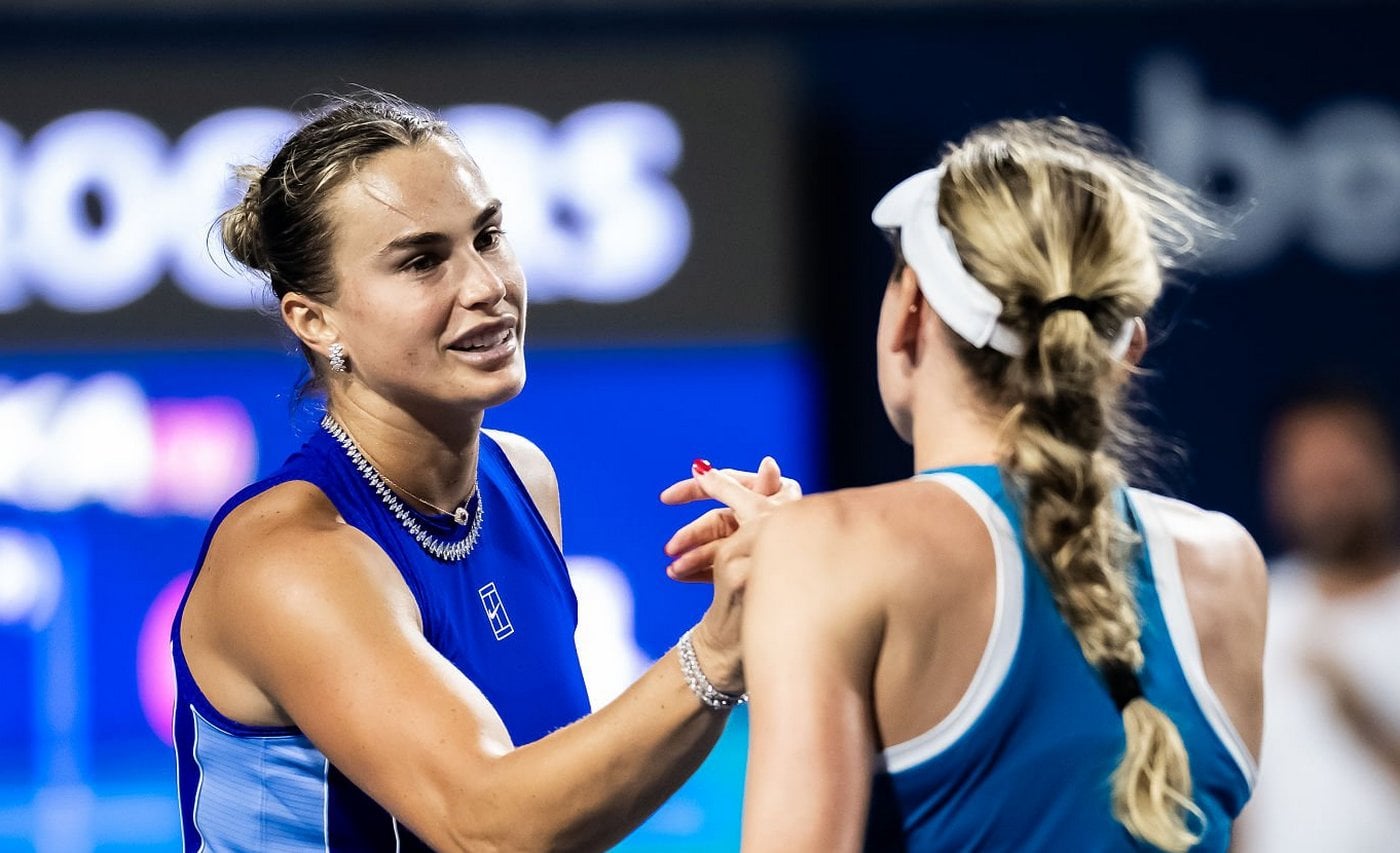
But it’s one thing to struggle with her own serve—the Belarusian has also stopped handling her opponents’ serves effectively. Even against the shorter Beylek, who doesn’t possess power comparable to Sobolenko’s. Plus, there were a slew of errors during rallies: shots into the net and constant long balls.
Analyzing Sobolenko’s poor play, her opponents increasingly began to exploit her weaknesses, trying to prolong rallies, impose their own pace, and rattle her. And it started to work.
Another reason for her frequent losses may be Sobolenko’s loss of motivation. She has earned a fortune—and not just on the court. According to Forbes, her endorsement deals alone brought her $15 million in 2025. And now she has a wedding to a multimillionaire coming up…
What’s next?
Arina’s next tournament will be the U.S. Open, which begins in New York on August 30. Sobolenko is the defending champion, having won the title two years in a row. In addition, at the season’s final Grand Slam, the Belarusian will try her hand at mixed doubles—with the legendary Novak Djokovic.
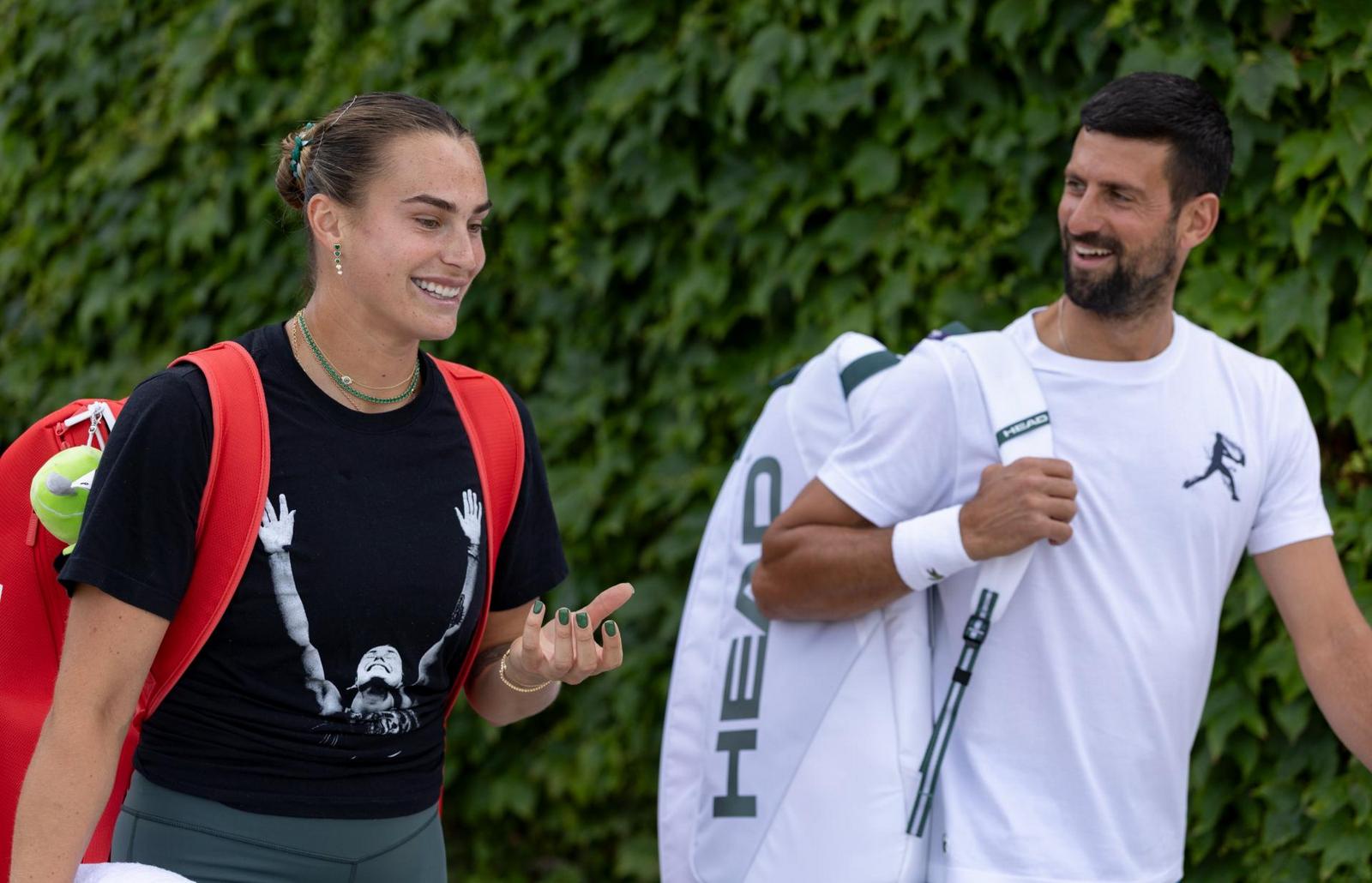
It’s clear that wedding preparations (which inevitably involve a lavish, large-scale ceremony) are emotionally draining, time-consuming, and, as a result, reduce Sobolenko’s focus on the court.
“I want to make everything as good as possible. I want everyone to have fun. So that’s going to take a little time—maybe a year and a half, or maybe even two,” Arina joked earlier.
But we can’t afford to lose her for such a long time. And her fiancé, along with Sobolenko’s team, will have to put in a lot of effort to ensure that wedding preparations don’t take precedence over her tennis career—at least for a while. After all, the Belarusian is 28; she doesn’t have much time left to spend as a top tennis player.
According to her own words, she’s been having thoughts that don’t exactly please Arina’s fans. After all, she has already said—whether jokingly or seriously—that she’s tired of tennis and wants to quit everything. Even after her engagement...

Bank's name: Bank Millennium S.A.
Address: ul. Stanislawa Zaryna, 2A, 02-593, Warszawa
IBAN: PL97116022020000000216711123
SWIFT: BIGBPLPW
Name of the account holder: Fundacja “KARTA ‘97”
Purpose/title of payment: Donation for statuary aims
You can contact us by the e-mail [email protected]