

The World's First Fully Autonomous Electric Bus Has Been Built
13- 18.08.2026, 10:25
- 5,288
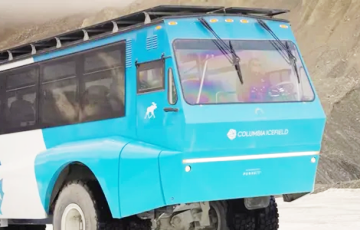
It doesn't even need to be charged.
Canadian engineers have developed a unique electric bus designed for tourist expeditions in glacial regions. This vehicle is capable of operating completely autonomously in areas with no power grids or charging stations.
The vehicle’s key feature is a combination of a high-capacity battery, a highly efficient energy recovery system, and solar panels. The new electric bus will operate in Jasper National Park, showcasing the future of eco-tourism without harmful emissions, according to PiataAuto.
The electric bus operates without electricity
Tourist trips directly across the ice sheet require vehicles with exceptional durability and specialized design solutions. Until now, such tasks have primarily relied on heavy-duty diesel vehicles, such as specialized trucks or four-axle articulated buses.
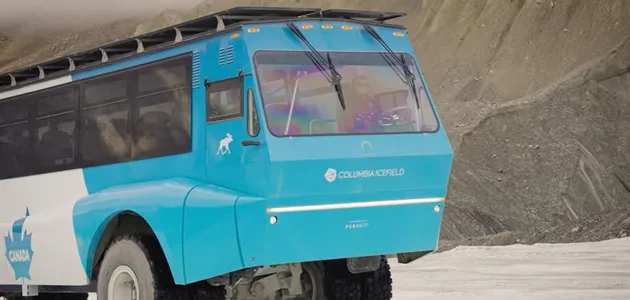
Pursuit, a Canadian tour operator that operates a fleet of diesel vehicles in the Alberta region, has decided to take a step toward sustainability. To implement this plan, they enlisted specialists from Noble Northern, who specialize in converting vehicles to electric power and integrating photovoltaic systems.
Engineering Solutions and Design Features
A repurposed chassis from a diesel truck was used as the basis for the future electric bus. To ensure reliable traction and evenly distribute weight on slippery surfaces, an all-wheel-drive system with dual wheels on both axles was implemented.
An autonomous bus that does not require electricity.
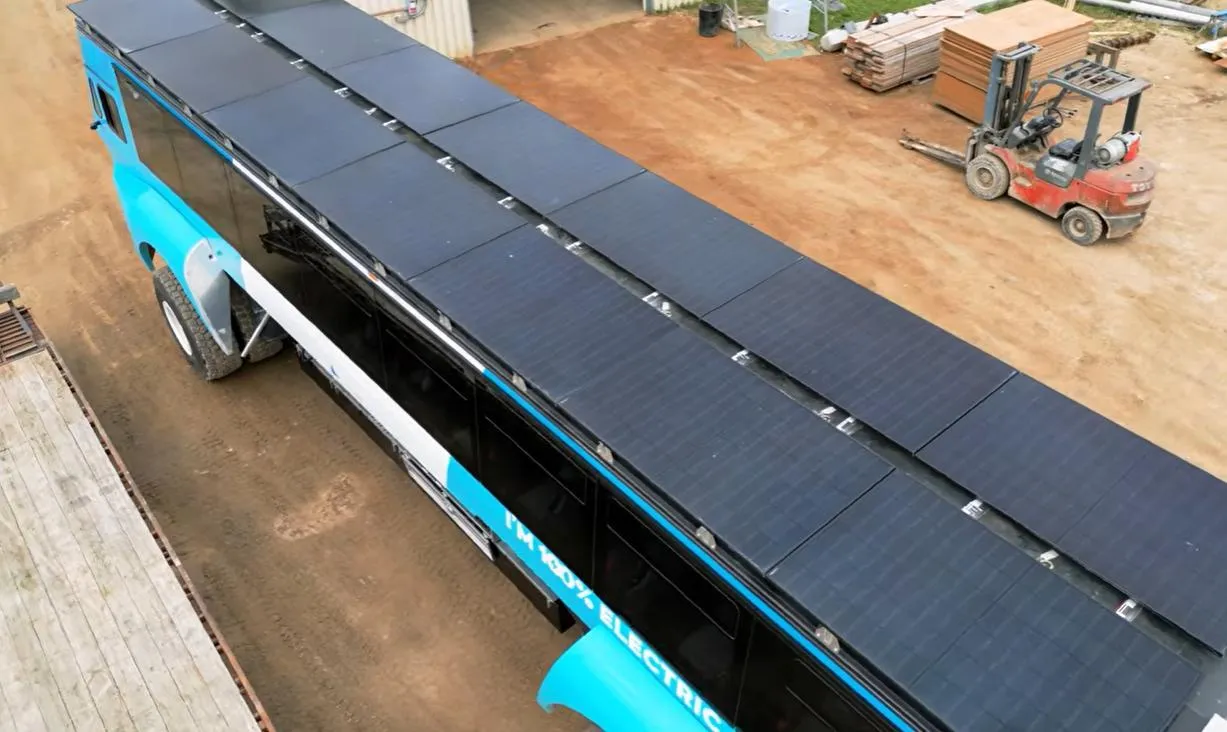
Solar panels on the electric bus.
The powertrain consists of:
A specialized battery: a 528 kW·h battery pack equipped with a thermal management system for operation in extremely cold conditions and protective shields against mechanical damage.
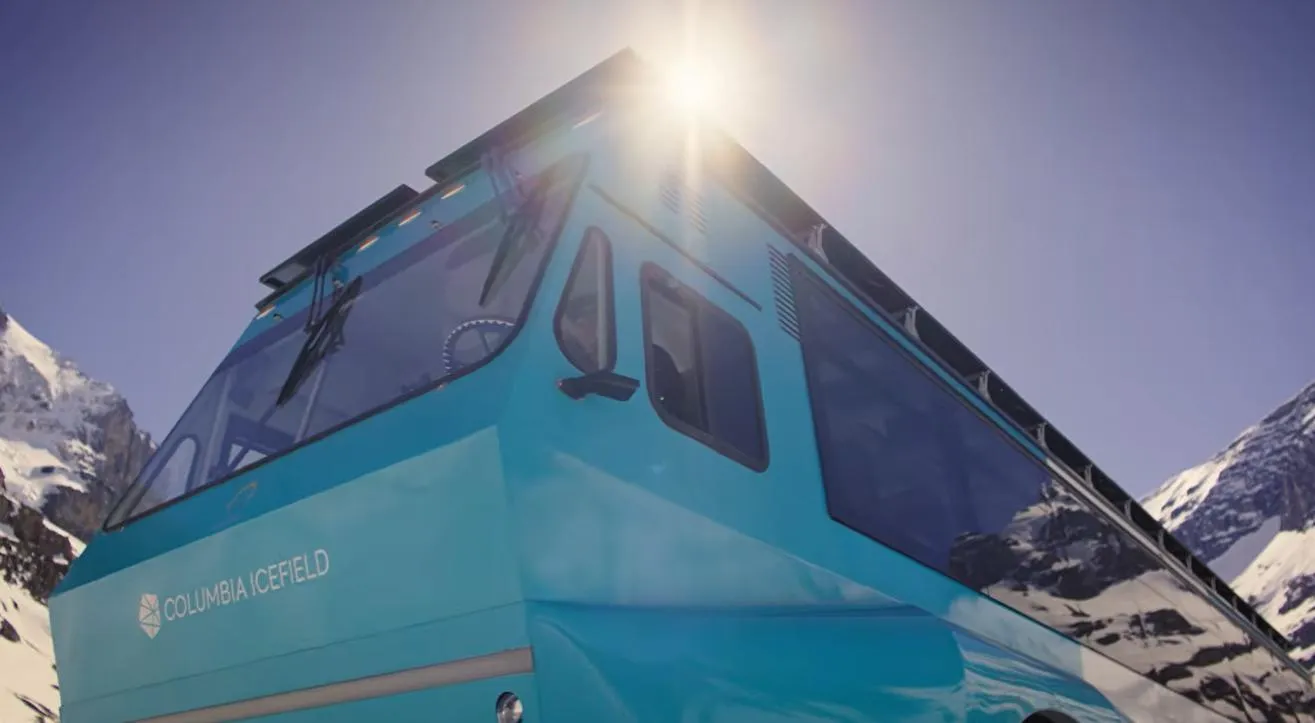
Optimized body: To reduce weight and conserve energy when climbing steep slopes, the body was constructed from lightweight materials.
Autonomy thanks to solar power and energy recovery
The main challenge for the developers was the lack of any charging infrastructure. The problem was solved through the integrated use of natural resources and the laws of physics.
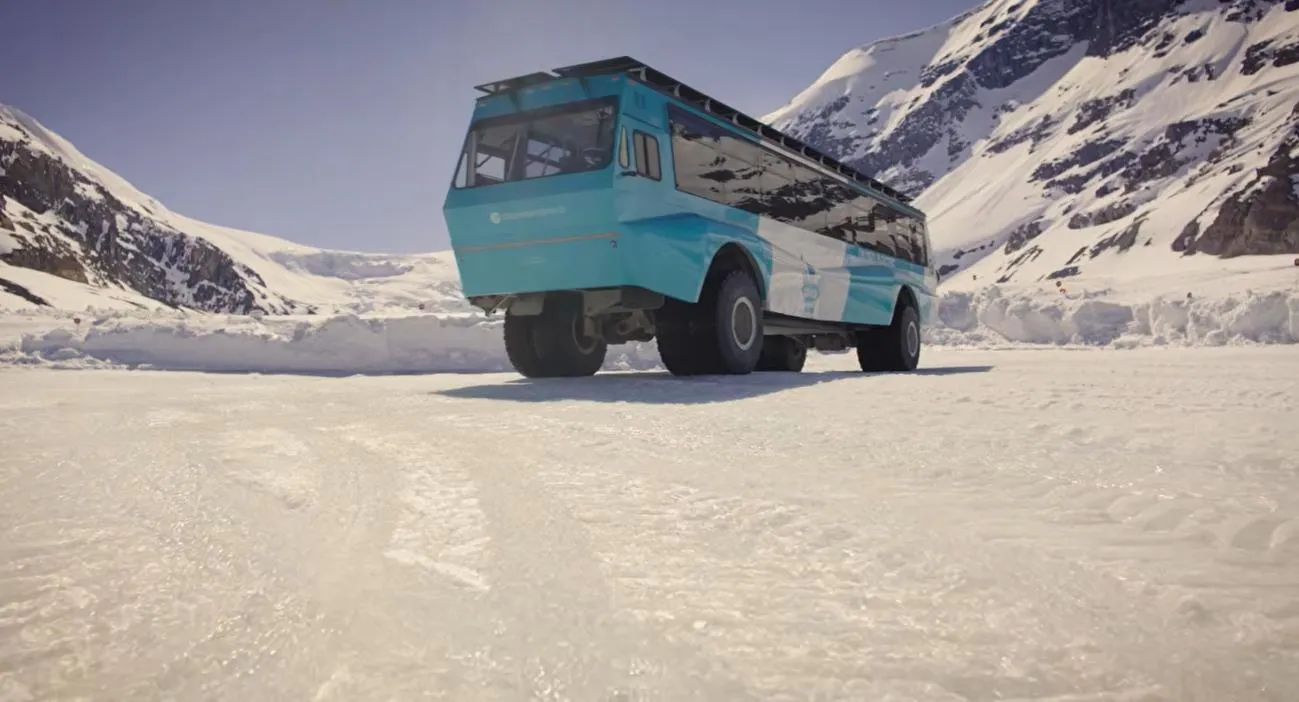
Bidirectional solar panels: 6 kW photovoltaic modules are mounted on the roof. Thanks to high albedo (light reflection from snow and ice), the system generates about 40 kWh of electricity daily.
Efficient braking: During long descents from the glacier, the energy recovery system recovers more than 5 kWh of energy per trip.
Thanks to this combination, a single full battery charge provides 32 to 35 round trips, which corresponds to 4–5 days of intensive operation.
A Fundamental Shift Away from Fuel
After the main charge is depleted, the electric bus requires about two weeks to fully recharge on its own using only solar energy. The project’s creators deliberately chose not to use mobile diesel generators to speed up this process.
Even with periodic stops for recharging, the vehicle fully fulfills its main purpose—it gives tourists the opportunity to explore the wilderness without harming it.

Bank's name: Bank Millennium S.A.
Address: ul. Stanislawa Zaryna, 2A, 02-593, Warszawa
IBAN: PL97116022020000000216711123
SWIFT: BIGBPLPW
Name of the account holder: Fundacja “KARTA ‘97”
Purpose/title of payment: Donation for statuary aims
You can contact us by the e-mail [email protected]