EU Prepares To Invoke Article On Mutual Defense
2- 24.04.2026, 22:37
It is a matter of developing specific procedures to put this norm into practice.
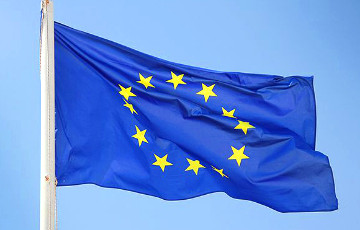
The European Union intends to turn its article on mutual defense into a working mechanism. This was announced by EU leaders at an informal summit in Cyprus on April 23-24. It is a question of developing specific procedures for the implementation of this norm in practice. "Article 42.7 cannot remain theoretical," Nicos Christodoulidis, president of the Cypriot presidency of the EU Council, said at the final press conference. - It must acquire substance."
The EU is already developing a practical manual to define exactly how and under what conditions the mutual assistance mechanism is launched, European Council President António Costa said.The head of the European Commission Ursula von der Leyen emphasized that the problem lies not in the lack of obligations, but in their application: "The treaty is very clear about what exactly should be done, but it is not clear when exactly and who does what," DW.
At the same time, German Chancellor Friedrich Merz stressed at a separate press conference that strengthening European defense must take place in close coordination with NATO. Europe should "do much more for its own security" while remaining within the framework of transatlantic commitments, Merz said.
The discussion took place against the backdrop of the worsening situation in the Middle East, which became one of the main topics of the meeting. The EU is discussing its possible role in international efforts to ensure the safety of navigation in the Strait of Hormuz. It is a multilateral mission involving more than 50 countries that could be deployed if the necessary security conditions are in place.
"The European Union is not a party to the conflict, but will be part of its solution," Costa said. At the same time, he listed the EU's priorities: restoring freedom of navigation in the Strait of Hormuz, achieving a sustainable ceasefire and preventing Iran from acquiring nuclear weapons.
The conflict has already had a tangible impact on the European economy. According to von der Leyen, the EU's energy costs have risen sharply: "Our fossil fuel import costs have risen by more than 25 billion euros since the beginning of the crisis - in just 54 days." Commenting on the situation around Iran, the EU leaders emphasized that it is premature to talk about easing sanctions.
Separately, the EU leaders spoke about support for Ukraine, reaffirming the steadfastness of Brussels' position. They reiterated that the process of its accession to the EU remains long and based on the fulfillment of conditions.
The future long-term budget of the European Union for 2028-2034 was also discussed. The countries of the bloc expect to agree on it by the end of this year, and the key element of financing should be the EU's new own resources - that is, its budget revenues that do not depend directly on the contributions of member states, such as revenues from pan-European taxes, duties or fees.

Bank's name: Bank Millennium S.A.
Address: ul. Stanislawa Zaryna, 2A, 02-593, Warszawa
IBAN: PL97116022020000000216711123
SWIFT: BIGBPLPW
Name of the account holder: Fundacja “KARTA ‘97”
Purpose/title of payment: Donation for statuary aims
You can contact us by the e-mail [email protected]