
That Didn't Happen Even In 2022
8- 2.10.2026, 11:17
- 18,010
Russia has crossed the "red line."
On Thursday, October 1, two Russian attack drones struck a support structure of the South Bridge in Kyiv. According to a video that appeared online, the first UAV attacked a bridge pier closer to the left bank of the Dnieper River. The Russians then directed a second attack drone at the bridge itself: it struck the structure, and debris fell onto the roadway.
The city’s mayor Vitali Klitschko confirmed the attack and noted that the passengers and the driver of the subway train, which was crossing the bridge at the time, were unharmed. The metro announced restrictions on train service on the “green” line between the “Syrets” and “Vydubychi” stations. Metro service across the South Bridge has been suspended, and specialists from the “Kyivavtoshlyakhmist” municipal enterprise are inspecting the structure’s condition following the strikes.
This strike on the bridge across the Dnieper in Kyiv is a clear crossing of the “red line” by the Kremlin authorities. After all, let me remind you, there were no such strikes on non-frontline cities even in 2022.
The fact is that, first of all, the destruction of bridges poses a problem not only for defenders but also for the attacking forces. Russian dictator Vladimir Putin apparently banned strikes on major bridges across the Dnieper at the time, counting on the Russian army to inevitably use them. And, as we now know, in the event of such a scenario, plans to blow up bridges across the Dnieper in Kyiv were discussed (and at that time, Commander-in-Chief Valeriy Zaluzhny spoke out categorically against it).
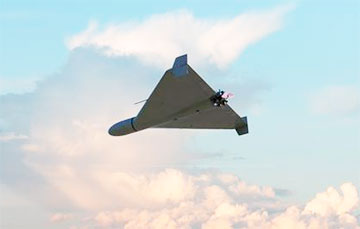
Second, strikes on bridges in major cities, by and large, made no sense before the advent of the “Shahed” drones. It is extremely difficult to hit an infrastructure object such as a bridge with a cruise or ballistic missile. Moreover, even if hit, the bridge would remain standing, since they were built to withstand single strikes. We remember how long the Ukrainian Defense Forces struck the Antonivsky Bridge in the Kherson region without causing any serious consequences.
However, it was precisely the arrival of the “Geranium-5” missiles that marked a turning point in the issue of bridge strikes.
What now? Now Putin will wait for the West’s reaction, since this is yet another provocation on his part. Unfortunately, the reaction we expect to see from our partners will evidently not materialize. And that means the Russians will try a new tactic.
Most likely, Russia will continue to strike a single target—the bridge piers—hoping to render them unusable.
Taras Berezovets, unian.net

Bank's name: Bank Millennium S.A.
Address: ul. Stanislawa Zaryna, 2A, 02-593, Warszawa
IBAN: PL97116022020000000216711123
SWIFT: BIGBPLPW
Name of the account holder: Fundacja “KARTA ‘97”
Purpose/title of payment: Donation for statuary aims
You can contact us by the e-mail [email protected]