


Scientists Explain What To Eat For Lung Health
2- 29.09.2026, 8:34
- 3,264
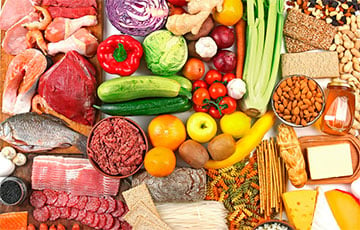
Seven foods for every day.
People rarely think about their lung health until they start having trouble breathing. However, you can support lung health every day, including through your diet. Food cannot reverse the effects of smoking or cure lung diseases, but foods rich in antioxidants and anti-inflammatory compounds can help the body cope with the effects of air pollution, allergens, and everyday oxidative stress.
This is reported by “Cursor”.
The lungs process about 11,000 liters of air every day. Along with the air, various irritants enter the body, causing oxidative stress in the lung tissue and leading to inflammation. As the author notes, foods high in vitamins C and E, carotenoids, and omega-3 fatty acids can help the body cope with these processes. Studies also link a diet rich in fruits, vegetables, and whole foods to better long-term lung function. However, this effect develops gradually and is most pronounced when combined with other healthy habits.
The author highlights seven foods and food groups that are easy to find and incorporate into a regular diet: apples, tomatoes, leafy greens, fatty fish, garlic and onions, legumes, and walnuts.
In several large studies, apples have been linked to better lung function. Their peels contain flavonoids, including quercetin. In observational studies, people who regularly eat apples showed a slower decline in lung function.
Tomatoes are a source of lycopene and other carotenoids, which act as antioxidants. The author notes that processed tomato products, such as sauce and tomato paste, may be particularly beneficial in terms of lycopene absorption: after heat treatment, the body can absorb it more easily. Both apples and tomatoes are available year-round and do not require complicated preparation.
Leafy greens, such as spinach and kale, deserve special mention. They contain vitamin C, beta-carotene, and folate. A small serving of these greens provides the body with plenty of antioxidants while being relatively low in calories.
Fatty fish, including salmon, sardines, and mackerel, provide the body with omega-3 fatty acids. According to the author, these fats help the body regulate inflammatory processes, and higher intake has been linked in some studies to better respiratory health.
For those who do not eat fish, walnuts, flaxseed, and chia seeds can serve as sources of plant-based omega-3s. However, the body absorbs and metabolizes this form of omega-3 less efficiently.
The author also lists garlic and onions among foods that can support lung health. In addition to their flavor, they contain sulfur compounds and quercetin, which have demonstrated anti-inflammatory activity in laboratory and population studies.
Legumes, including beans and lentils, round out this list. They contain magnesium, which helps relax the muscles of the airways, as well as fiber, which supports gut health. According to the author, gut health is increasingly linked to the functioning of the immune system. In addition, legumes are an affordable and filling food that can easily be incorporated into several dishes at once.
The author provides an example of a simple daily meal plan. For breakfast, you can make oatmeal with walnuts and sliced apple. Lentil soup with a spinach salad is a good choice for lunch. For a snack, you can have an apple or a handful of walnuts. For dinner, the author suggests baked salmon with tomatoes and garlic.
In the table, the author highlights the main nutrients and the presumed effects of the foods. Apples contain flavonoids and vitamin C and are associated with better lung function. Tomatoes are rich in lycopene, which provides antioxidant support for the respiratory tract. Leafy greens provide vitamin C and beta-carotene, which help protect lung tissue from oxidative stress. Fatty fish contain omega-3 fatty acids and help control inflammation. Garlic and onions contain sulfur compounds and quercetin, which have anti-inflammatory properties. Legumes provide the body with magnesium and fiber, supporting respiratory muscle function and gut health. Walnuts contain omega-3s and vitamin E, which provide antioxidant and anti-inflammatory support.
However, the author emphasizes that diet is only one part of lung care. Quitting smoking, protecting oneself from secondhand smoke, limiting exposure to air pollution, engaging in physical activity, and getting recommended vaccinations are far more important.
The author recommends that people with asthma, COPD, or persistent breathing problems consult a doctor. In such cases, diet can complement treatment but should not replace it.
When asked if there is a single food that is most beneficial for the lungs, the author answers in the negative. Research points more to the importance of a balanced diet—including fruits, vegetables, fish, nuts, and legumes—than to the benefits of any single food.
The author also notes that food can support lung health and help control inflammation, but it cannot reverse damage that has already occurred. When it comes to lung diseases, medical care remains the top priority.
As the author points out, most people do not need special supplements for lung health: the necessary nutrients can be obtained from a varied diet. Before taking supplements, especially in high doses, you should consult a doctor.
At the same time, highly processed foods, as well as diets high in added sugar and salt, are associated with more severe inflammation. Therefore, the author recommends consuming them in moderation.

Bank's name: Bank Millennium S.A.
Address: ul. Stanislawa Zaryna, 2A, 02-593, Warszawa
IBAN: PL97116022020000000216711123
SWIFT: BIGBPLPW
Name of the account holder: Fundacja “KARTA ‘97”
Purpose/title of payment: Donation for statuary aims
You can contact us by the e-mail [email protected]