


China Has Fallen Victim To Its Own Secrecy
3- 10.09.2026, 17:32
- 4,154
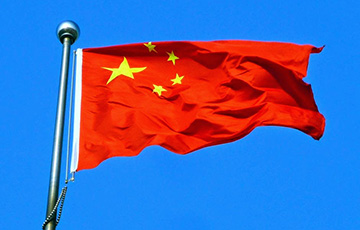
Beijing could have prevented the tragedy in Nepal.
The flooding in Nepal has sparked a new wave of criticism directed at China over Beijing’s efforts to control information. The disaster on August 26 claimed the lives of more than 1,300 people, with thousands more still missing, according to Newsweek.
A glacier collapse triggered a powerful torrent of water, ice, and rocks that swept dozens of kilometers down the valley. According to preliminary assessments, Chinese infrastructure was not the cause of the disaster. However, Beijing controls a significant portion of the infrastructure in the border region.
The main complaints against China arose after authorities restricted the distribution of video footage from the scene of the tragedy. Foreign journalists were not allowed to work in the disaster area until 11 days later. At the same time, reports emerged that Nepal had requested environmental monitoring data from China in advance but had not received it.
“China’s secrecy extends far beyond its borders and affects its relations with its neighbors,” said Henry Gao, a professor at the Singapore University of Management, calling on Beijing to exercise greater transparency.
The information vacuum quickly gave rise to new suspicions. The issue was raised particularly sharply in India, where there has long been concern about Chinese hydropower projects in Tibet.
The primary concern is the Medog Dam currently under construction on the Yarlung Tsangpo River, which will be the world’s largest hydroelectric facility. Its capacity is expected to reach 60 GW, and the cost is estimated at approximately $170 billion.
At the same time, relatively little is known about the construction, environmental risks, and China’s plans for using the electricity. In the wake of the disaster, Indian commentators have already called the project a “time bomb.”
Beijing’s desire to conceal sensitive information ultimately works against it. The less China is willing to disclose about its projects and actions, the more room its critics have to come up with their own interpretations of what is happening.

Bank's name: Bank Millennium S.A.
Address: ul. Stanislawa Zaryna, 2A, 02-593, Warszawa
IBAN: PL97116022020000000216711123
SWIFT: BIGBPLPW
Name of the account holder: Fundacja “KARTA ‘97”
Purpose/title of payment: Donation for statuary aims
You can contact us by the e-mail [email protected]