Why Do People Give Names To Storms, Military Operations, And Diseases?
- 23.08.2026, 16:52
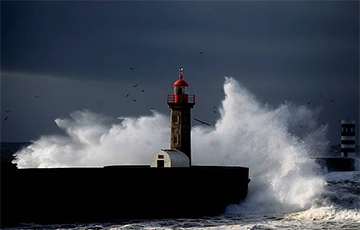
These aren't just labels.
The names of hurricanes, military operations, and even diseases have long been a part of everyday life. However, behind familiar words like “Katrina,” “Sandy,” or “Epic Fury” lies more than just a desire to distinguish one event from another.
Names help tell a story and shape our perception of what is happening, writes Associated Press (translation by Charter97.org).
The World Meteorological Organization believes that naming tropical cyclones allows warnings to be communicated more quickly to the public, improves preparedness, and helps avoid confusion when multiple storms form at the same time.
Hurricane names are selected in advance from agreed-upon lists. In the Atlantic, they are assigned alphabetically, with the letters Q, U, X, Y, and Z skipped. In the U.S., only women’s names were used until 1979, after which the system began alternating between men’s and women’s names.
Military names were originally used primarily for secrecy and to distinguish between operations. However, during World War II, British Prime Minister Winston Churchill insisted on a more thoughtful approach. The name was not supposed to sound frivolous or reveal the nature of the operation in advance.
Over time, the U.S. military began to choose more evocative names. This is how “Desert Storm” came about, and, as early as 2026, “Epic Fury”. Some modern names, on the other hand, are controversial due to their excessive aggressiveness or mocking undertones.
Choosing the right words is especially important in sensitive situations. For example, the U.S. military operation following the September 11 terrorist attacks was initially named “Infinite Justice,” but was later renamed “Enduring Freedom” due to concerns that the original name might offend Muslims.
Diseases are also given names. The WHO now recommends against associating diseases with specific people or geographic locations, as such associations can lead to stigmatization.
The name of an event is not just a label. It continues to influence how society perceives a threat, a war, or a natural disaster.

Bank's name: Bank Millennium S.A.
Address: ul. Stanislawa Zaryna, 2A, 02-593, Warszawa
IBAN: PL97116022020000000216711123
SWIFT: BIGBPLPW
Name of the account holder: Fundacja “KARTA ‘97”
Purpose/title of payment: Donation for statuary aims
You can contact us by the e-mail [email protected]