
Politico: Ukraine's Long-Range Strikes Are Pushing Russia To A Breaking Point
5- 2.07.2026, 8:40
- 8,652
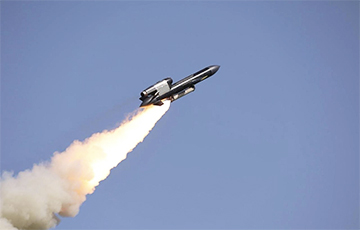
The upper hand in the war is shifting to Kyiv.
For four years, Vladimir Putin largely managed to shield Russians from the economic consequences of the war in Ukraine. But that has now changed.
As Politico reports, Ukrainian missile and drone strikes on key energy infrastructure in recent weeks have transformed the war from a relatively minor irritant—one that most Russians could ignore—into an immediate and increasingly acute fuel crisis.
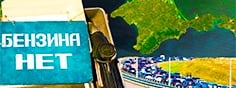
Two-thirds of Russia’s 83 regions are reporting fuel supply problems, creating difficulties for millions of people and posing an immediate threat to the viability of many businesses. The situation is particularly acute in Crimea, where authorities have declared a state of emergency and banned the sale of fuel.
At the same time, the extent of the damage is being carefully concealed: Russia has added domestic fuel prices to the list of economic data that it no longer publishes.
However, Russians are witnessing the situation deteriorate with their own eyes. Social media is rife with videos showing drivers attacking one another over gasoline or causing disturbances in lines of cars waiting to refuel.
Ukraine is deliberately targeting oil refineries that Russia cannot repair or replace on its own, which means there is no quick solution in sight to the fuel shortage.
“The amount of gasoline currently available in Russia is determined by a race between Ukrainian drones and Russian repair crews. If the frequency of Ukrainian attacks remains high and the damage from each attack increases, the advantage will shift to Kyiv. This is exactly what we are seeing right now,” writes Sergey Vakulenko, an analyst at the Carnegie Endowment for International Peace.
Even if fuel is available, the problem of rising prices remains
Fuel prices typically have a major impact on overall inflation, and the Central Bank of Russia has warned that the recent price spike is likely to have longer-term consequences than in the past.
“I think we’re all concerned about the same thing. I don’t think there’s a single person in the country who cares about anything other than an end to the hostilities as soon as possible. That’s obvious,” said German Gref, CEO of Sberbank, Russia’s largest retail bank.
According to Janis Klug, an analyst at the German Institute for International and Security Affairs, Russia’s military and intelligence spending now accounts for nearly half of total government spending. Liquid assets in the National Wealth Fund, which was originally created to mitigate economic fluctuations in oil prices, have meanwhile declined from approximately 7 percent of gross domestic product at the beginning of 2022 to just 1.7 percent of gross domestic product as of April.

Bank's name: Bank Millennium S.A.
Address: ul. Stanislawa Zaryna, 2A, 02-593, Warszawa
IBAN: PL97116022020000000216711123
SWIFT: BIGBPLPW
Name of the account holder: Fundacja “KARTA ‘97”
Purpose/title of payment: Donation for statuary aims
You can contact us by the e-mail [email protected]