

BBC: Nature In The Chernobyl Zone Has Changed
3- 26.04.2026, 18:09
- 9,220
Scientists talk about mutations of organisms.
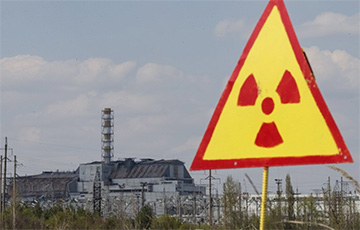
Today marks the 40th anniversary of the terrible events at the Chernobyl nuclear power plant. Contrary to the expectations of many people, the area around the plant has not turned into a radioactive desert. Wildlife thrives here. But not thanks to radiation, but in spite of it. This is stated in the publication BBC.
The authors of the publication note that after the 1986 disaster, a huge area around the nuclear plant was depopulated during the mandatory evacuation. It is this aspect that is the key reason for the wildlife rampage that can now be observed in the Exclusion Zone.
Scientists studying the wild world of the Zone state that radiation actually has a negative effect on local organisms. Of course, about the monsters from the game S.T.A.L.K.E.R. here we are not talking about, but mutants do occur. Researchers have recorded strange, twisted trees, swallows with cancerous tumors and "a creepy black fungus living inside the radioactive ruins of the reactor building."
Scientists suggest that in the Zone there is a process of gradual adaptation of living beings to existence in conditions of high radiation. The BBC, in particular, cites the example of tree frogs. A study published in 2022 suggests that frogs in the Exclusion Zone became darker on average than representatives of the same species outside it. The hypothesis is that the dark color, indicative of higher levels of melanin in the body, may somehow act as a protective barrier against radiation. However, the scientific community continues to debate whether this is really a reaction to high radiation and not something else, such as heavy metals, with which the Zone is no less contaminated.
Similar debates are underway regarding genetic changes in feral Chernobyl dogs and mice in the radioactive fields around the plant.
"[The forest around Chernobyl] is teeming with trees and wildlife, but it is not what it was before the accident," stated radiobiologist Carmel Mothersill, professor emeritus at McMaster University in Canada.

Bank's name: Bank Millennium S.A.
Address: ul. Stanislawa Zaryna, 2A, 02-593, Warszawa
IBAN: PL97116022020000000216711123
SWIFT: BIGBPLPW
Name of the account holder: Fundacja “KARTA ‘97”
Purpose/title of payment: Donation for statuary aims
You can contact us by the e-mail [email protected]