


Welt: Russia Is Losing The Initiative On The Frontline
- 17.04.2026, 19:02
- 2,814
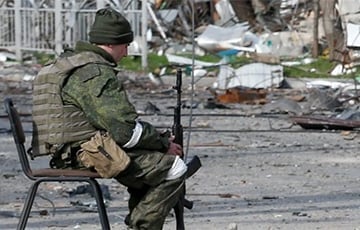
Ukraine is stepping up its strikes and building up its technological advantage.
The spring offensive of the Russian aggressor country's troops is gradually losing momentum and does not show the expected results, while Ukraine is increasing its offensive capabilities and strengthening strikes deep into the enemy's rear. This is stated in an analytical piece by the German publication WELT.
In the piece by Alfred Hackensberger, who has covered wars and crises in more than 10 regions of the world since 2009, Ukrainian military officers and experts explained why the Russian offensive in Ukraine is "fading."
Ukraine has gained a techno-advantage, while Russia has no time to compensate for losses
In particular, adviser to Ukraine's Defense Minister Serhiy Sternenko said that Ukraine has already gained a significant technological advantage, primarily in the field of unmanned systems. According to him, new Ukrainian developments allow strikes at a significant frontal depth and expand the zone of defeat of Russian positions.
According to analysts, the Russian defense industry does not have time to fully compensate for the cost of weapons and ammunition used in combat operations.
In particular, they note a shortage of interceptor missiles and limited ability to quickly resupply air defense systems, which, according to experts, increases the vulnerability of the Russian system to massive drone attacks.
Sternenko said He also announced secret developments that will have a range of 1,000 kilometers.
Strikes on energy and transportation infrastructure
Ukraine is escalating strikes on Russia's energy and transportation infrastructure - oil refineries, storage facilities, pipelines, and Russian export ports through which much of the energy trade is conducted. This gradually weakens Russia's economic capabilities and affects its military potential.
President of the Strategy XXI think tank Mikhail Gonchar emphasized that systemic strikes on such facilities have an accumulative effect, as they impede the storage and transportation of oil and oil products, which ultimately affects production and exports.
In his assessment, this gradually weakens Russia's economic capabilities and affects its military potential.
The prospect of capturing Donbass
The piece also mentions the assessments of Western analysts outlined by the American Institute for the Study of War (ISW). The experts note that Russian forces were unable to achieve operational breakthroughs during the spring campaign due to losses and depletion of resources.
The author separately noted the situation in Donetsk region. According to military analysts, and given the pace of the Russian advance, a full takeover of the region could take years, despite the assessment of the Ukrainian Defense Ministry's Main Intelligence Directorate, which reported that the Russian Federation aims to capture the entire Donbass by September. WELT writes that even under optimistic scenarios for Russia, this could happen no earlier than 2027.
The main cities in the region include Druzhkivka, Kostyantynivka and Pokrovsk, which remain important nodes of Ukrainian defense. Kramatorsk, the largest city in the region, which has become a fortress during the war and which Russia would have to capture in case of further advances, is also singled out.
WELT emphasizes that such dynamics could change the balance of power in the medium term. In particular, 2026 is being called a potentially watershed year - both on the battlefield and in the economic pressure on Russia.

Bank's name: Bank Millennium S.A.
Address: ul. Stanislawa Zaryna, 2A, 02-593, Warszawa
IBAN: PL97116022020000000216711123
SWIFT: BIGBPLPW
Name of the account holder: Fundacja “KARTA ‘97”
Purpose/title of payment: Donation for statuary aims
You can contact us by the e-mail [email protected]