
Ukraine Has A Plan To Expel Russia From The UN
11- 29.10.2026, 12:37
- 10,730
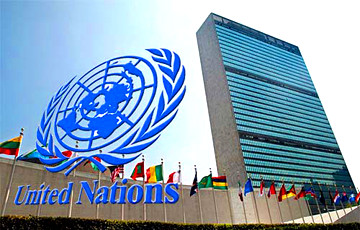
There has already been a precedent in history.
A group of Ukrainians, including a former high-ranking diplomat, has devised a highly ambitious plan: to strip Russia of one of its most effective political tools—its membership in the United Nations. This is reported by Foreign Policy.
According to the Ukrainian side, the Russian Federation is a new state, not merely the result of a name change from the USSR. If a state changes its name, it can notify the UN of this through a simplified procedure; however, the procedure for recognizing a new state is a much longer and more complex process.
Volodymyr Yelchenko, Ukraine’s former permanent representative to the UN, asserts that recognizing the newly formed Russia as the legal successor to the USSR was a mistake.
“This is the greatest scam of the century: the Russian Federation never signed the UN Charter,” he stated.
Other states that emerged after the breakup of larger countries went through the full procedure for joining the UN. Russia, however, limited itself to an unofficial letter, without going through the official admission vote required by Article 4 of the UN Charter.
What Is Ukraine’s Plan
It is noted that the likelihood of the UN suspending Russia’s membership in the organization on the basis of any technical formality—let alone stripping it of its seat on the Security Council—is extremely low. Nevertheless, the Ukrainian side sees certain benefits even in the mere fact of initiating such a discussion. Yelchenko and his colleagues from the Pylyp Orlyk Foundation have already outlined a plan to launch this process.
First and foremost, they plan to ensure that Ukraine and other delegations that share its position place this issue on the official agenda of the UN General Assembly—possibly as early as next year.
They expect that public discussion will irritate the Kremlin and lead to a broader debate: whether Russia—if it were to apply for membership today—would meet the criteria set forth in Article 4 of the UN Charter.
As part of this proposal, they intend to initiate a referral of the matter to the Credentials Committee, which consists of nine UN members.
“Although the committee does not require a unanimous decision to prepare a report, the presence of Russia, China, and the United States as permanent members makes it practically impossible to take any action. Nevertheless, this does not prevent a vote on this proposal in the General Assembly—a simple majority is sufficient for its adoption. And although the Security Council has the right to veto resolutions on the merits, it has no authority to influence the General Assembly’s procedural decisions,” the article states.
Interestingly, there has already been a precedent in UN history when a member state’s rights were suspended: this happened in 1974 with apartheid-era South Africa, resulting in that country’s delegates being completely barred from participating in the organization’s work. Although this measure proved effective, the process itself remains controversial to this day. Ukraine has already managed to secure broad support at the UN for resolutions condemning the Russian invasion, but finding allies willing to push for the suspension of Russia’s membership may prove much more difficult. According to Yelchenko, the reason is simple:
“Russia uses the UN for a wide variety of purposes—for example, it uses its veto power to protect itself and other aggressors… But it also uses the UN as a mouthpiece to spread propaganda.”
What are the obstacles
It is important to note that Yelchenko and his colleagues at the Pylyp Orlyk Institute fully understand how unlikely this initiative is to succeed. Other experts are also skeptical: they fear that such actions could cost Ukraine valuable political capital in its relations with international allies.
Another factor complicating the case for suspending Russia’s membership in the UN is the Russian Federation’s internationally recognized status as the successor state to the USSR. At the time, diplomats worked to reach an agreement on maintaining international ties, which ensured the continuity of foreign embassies in Russia and Russian diplomatic missions around the world.
The Ukrainian government at the time recognized Russia’s status as a successor state—in part so that Russia would assume the Soviet Union’s sovereign debt, allowing the new independent states to start their financial history “with a clean slate.” In this context, it becomes more difficult to argue that Russia is not a successor state to the USSR, including within the framework of the United Nations.
A number of officials and diplomats sympathetic to Kyiv and aware of this initiative have expressed concern: is it worth asking allies to spend their political capital on a project that, if it fails publicly, could lead to a loss of sympathy for Ukraine? Particular concern is caused by the mood in Europe, where war fatigue is growing, and upcoming elections—particularly in France and Germany—pose the risk of pro-Russian forces coming to power.
Representatives of the Pylyp Orlyk Foundation note that they understand these concerns but still consider it necessary to advance this issue. In their view, bringing a topic not directly related to the course of hostilities before the General Assembly leaves UN member states no opportunity to evade this fundamental issue:
“Are you really still so afraid to stand up to Russia—even when it comes to procedural aspects of the UN’s work?”

Bank's name: Bank Millennium S.A.
Address: ul. Stanislawa Zaryna, 2A, 02-593, Warszawa
IBAN: PL97116022020000000216711123
SWIFT: BIGBPLPW
Name of the account holder: Fundacja “KARTA ‘97”
Purpose/title of payment: Donation for statuary aims
You can contact us by the e-mail [email protected]