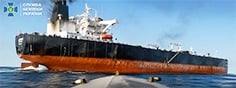


A State Of Emergency Has Been Declared In Occupied Alushta
- 26.07.2026, 6:39
- 1,204
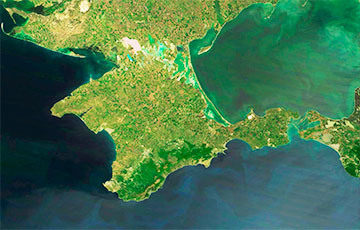
The city has been without power for more than two days.
Due to a prolonged power outage following attacks by the Ukrainian Armed Forces, a state of emergency has been declared in occupied Alushta (Crimea), according to a statement by the local operational headquarters on Telegram. According to the statement, “Krymenergo” has already submitted a list of customers who have been without power for more than 48 hours (excluding the villages of Solnechnogorskoye, Malorechenskoye, Rybachye, Generalskoye, and Lesnoye) to the Crimean Ministry of Labor and the regional office of the Russian Ministry of Emergency Situations, and starting July 27, residents will be able to apply for compensation through “Gosuslugi.”
According to a statement from “Krymenergo,” a difficult situation is also being observed in other areas: in the northwest, east, and south of Crimea. Additionally, the press service of the Crimean State Unitary Enterprise “Voda Kryma” reported water shortages in the west and southeast of the region—in Yevpatoria, Sudak, Feodosia, and neighboring settlements.
The day before, the commander of Ukraine’s Unmanned Systems Forces Robert “Madyar” Brovdi reported on Telegram regarding Operation “Crimean Circuit Breaker Off”: Between July 23 and 24 alone, 19 power facilities were struck (17 in Crimea, 2 in other occupied territories); from July 1 through 24, a total of 136 targets were hit. Among those attacked were substations in Yalta, Gurzuf, Feodosia, Yevpatoria, Sudak, and other settlements.
According to data from the Wholesale Electricity Market Trading System Administrator (ATS), electricity consumption in Crimea fell by 42% year-over-year during the first 20 days of July, and in Sevastopol, it fell by 22%. The Balaklava Thermal Power Plant has been out of operation since July 15 following damage to a Siemens turbine, and the Tavricheskaya Thermal Power Plant is not operating at full capacity. Electricity generation in Crimea (excluding Sevastopol) plummeted by 86% year-over-year.

Bank's name: Bank Millennium S.A.
Address: ul. Stanislawa Zaryna, 2A, 02-593, Warszawa
IBAN: PL97116022020000000216711123
SWIFT: BIGBPLPW
Name of the account holder: Fundacja “KARTA ‘97”
Purpose/title of payment: Donation for statuary aims
You can contact us by the e-mail [email protected]