

What Does It Mean To Walk With Your Hands Behind Your Back?
3- 10.11.2026, 13:28
- 2,624
Explanation from body language experts.
The habit of walking with one’s hands behind one’s back can reveal something about a person’s psychological state. This posture is often associated with calmness, concentration, and a tendency to reflect. At the same time, the meaning of this gesture depends on other movements, posture, and walking speed.
The Hungarian publication Egészség Kalauz.
Why Do People Keep Their Hands Behind Their Backs While Walking
At first glance, this seems like a common habit, but body language experts associate it with concentration, self-reflection, and organizing one’s thoughts.
When a person folds their hands behind their back, their movements become more restrained, and their gestures decrease. This can help them focus on their own thoughts, discuss a problem, or make an important decision.
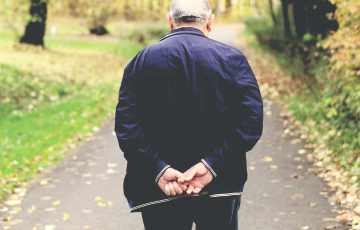
It is no coincidence that this is often observed in older adults
Walking with hands clasped behind the back may be particularly common among older adults. However, the same posture can also be observed in people who think deeply, analyze, or focus intently on a problem for long periods while working.
For example, this habit can easily develop among teachers, researchers, or other professionals whose work requires analytical thinking. That is precisely why this manner of walking is often seen among people who do a lot of analyzing and engage in intellectual work.
The same hand gesture can mean something entirely different if the head is lowered
One of the most important rules of body language is that no single gesture should be interpreted in isolation. The meaning of folded arms can change significantly depending on, for example, the position of the head, the gaze, or the position of the shoulders.
If someone keeps their hands behind their back but at the same time lowers their head, looks down, and tenses their body, this can create a completely different impression than someone with an upright posture.
In this case, the posture may indicate insecurity, vulnerability, or low self-esteem. In some situations, it even gives the impression that the person wants to stay in the background and not draw attention to themselves.
A straight back can radiate confidence
The overall effect is quite different if the hand held behind the back is accompanied by an upright posture, a raised head, and a firm gait.
In such cases, body language can convey control, stability, and confidence. A person may appear calm, composed, and in control of the situation.
This may also explain why this posture is sometimes associated with leadership or authority. For example, in a professional setting, a person walking with an upright posture, measured strides, and hands behind their back can easily give the impression of confidence and control over the situation.
Can a person’s character be determined by their gestures?
Experts caution against attempting to draw definitive conclusions about a person’s character based on a single gesture.
Body language does not have a universal vocabulary in which every gesture always means the same thing. A person may keep their hands behind their back simply out of habit, without any psychological significance attached to it.
Furthermore, the meaning of gestures depends on the cultural context. In some situations, such a posture may be perceived as a sign of authority and discipline; in others, as a normal, neutral manner of behavior.
Therefore, to better understand a person’s emotional state, one should pay attention not only to the position of their hands, but also to their posture, gaze, speed of movement, and the circumstances in which they find themselves.

Bank's name: Bank Millennium S.A.
Address: ul. Stanislawa Zaryna, 2A, 02-593, Warszawa
IBAN: PL97116022020000000216711123
SWIFT: BIGBPLPW
Name of the account holder: Fundacja “KARTA ‘97”
Purpose/title of payment: Donation for statuary aims
You can contact us by the e-mail [email protected]