


"Can You Buy A Yacht For €1,000?"
3- 21.10.2026, 8:57
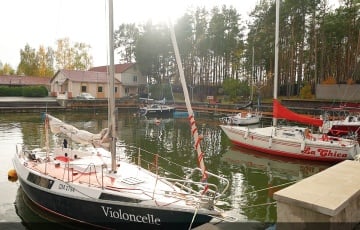
Belarusian captains talked about prices, expenses, and life at sea.
Belarus has no sea, but there are people who can’t imagine their lives without yachts and sailing. And they don’t necessarily have to travel all the way to the Mediterranean every time to enjoy their favorite pastime—all they have to do is head to the Minsk Sea, where you can still spot yachts even in the middle of fall. True, most owners are already preparing their boats for winter, but some continue to take to the water practically until the first ice forms. We set sail with some of these enthusiasts. Journalists from Onliner spoke with the yacht club’s founders about how much it costs to buy your own yacht, whether it’s realistic to find one for €1,000, and what it takes to become a captain yourself.
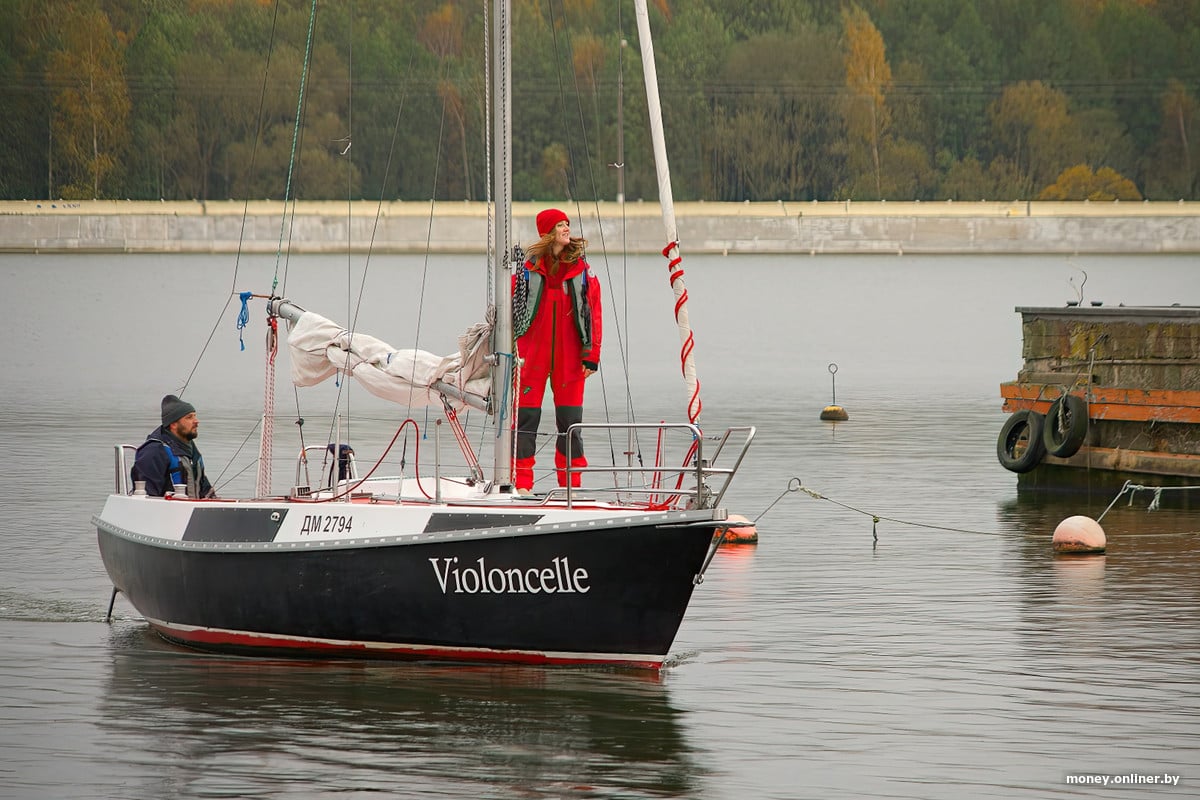
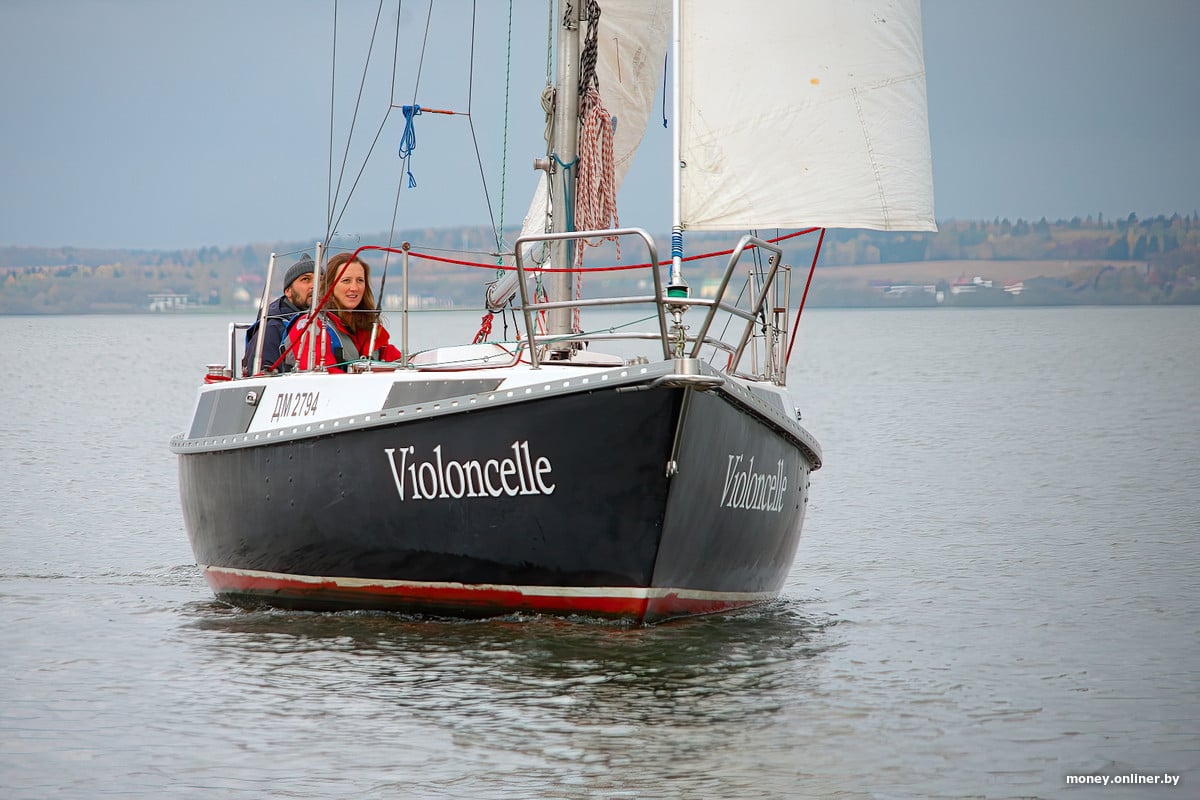
Among these enthusiasts are Alexandra Pico and Anton Garustovich. Both are captain-instructors who co-founded the VioSail yacht club. Journalists met them aboard the “Violoncheli”—a four-metric-ton sailing yacht.
“It was probably the crisis of the 1930s.” How Belarusians Got Hooked on Yachting
As the boat leaves the marina (exits the yacht harbor), you have to get used to unfamiliar commands, ropes—which they call “rigging” here—and the constant movement beneath your feet. As soon as the wind picks up, the yacht heels over. At some point, you realize that you can’t just relax and forget about everything here: you have to at least keep an eye out for what to hold onto.
— There wasn’t any single moment when I saw a yacht and realized, “That’s it—I want to do this.” It’s a story that’s been building up practically my whole life. Even as a child, I loved ships, the sea, and sails; perhaps the books by Alexander Green that my parents read to me, or the stories told by my uncle who served in the navy, also influenced me.
I searched for a long time for an opportunity to at least get a taste of yachting here in Belarus. I’d go to Minsk Lake, see the sails, watch them from the shore—and had absolutely no idea how to get out there. In 2018, I finally came across an ad for yacht tours. I signed up, even though I didn’t really have a clue how it would all work. We simply set out onto Lake Minsk, reached the island, and came back. It might not seem like anything special, but that’s how I realized that everything I’d imagined actually exists. And I want to be a part of it.
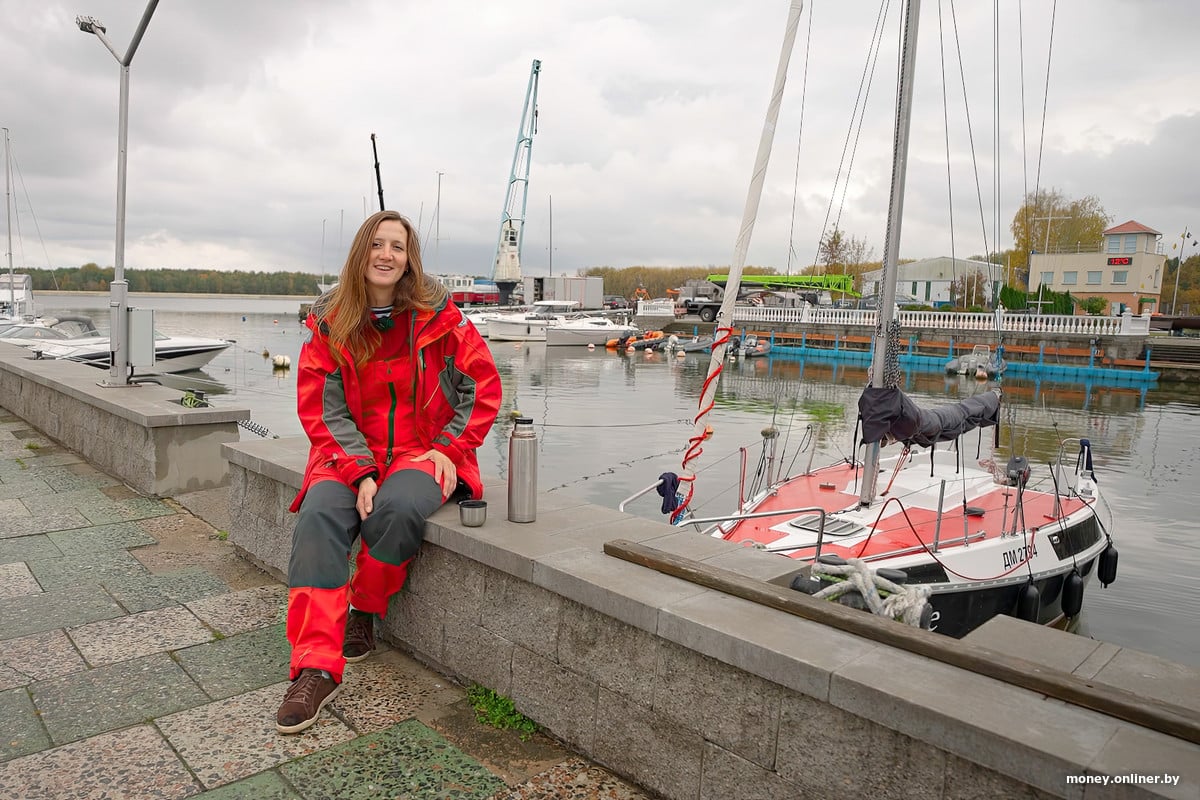
True, that first trip happened toward the end of the season, and then winter set in. I kept looking for information, watching videos, and figuring out where I could learn to sail a yacht. Later, I found sailing classes on Minsk Sea and started attending them.
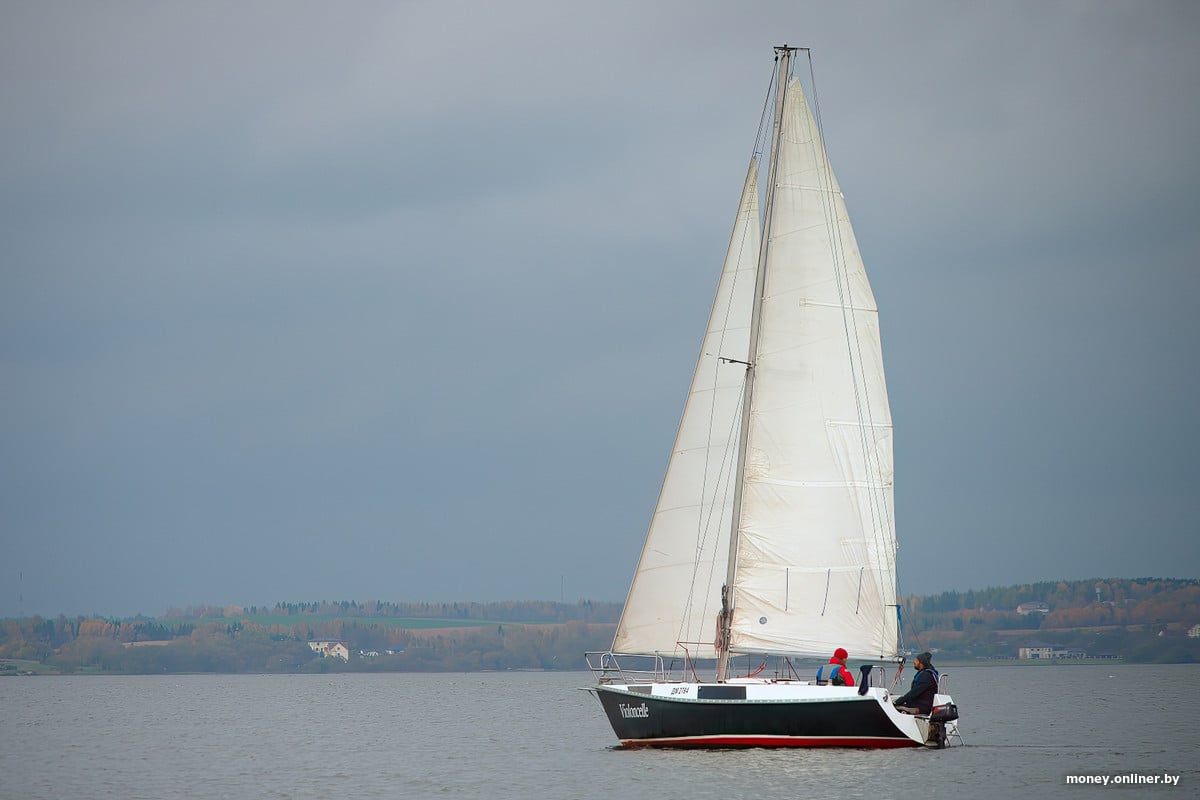
I wanted to understand how everything worked, to help steer the boat, and to be part of the team.
This is Alexandra’s story. But for Anton, things were a little different.
— I guess it was a sort of “quarter-life crisis”—when you already have a job, your own company, and things are going well in life, but at some point you realize that it’s not enough. You want something new, some different experiences.
One day, we rented a yacht for a company party. Then came regattas with friends and acquaintances, followed gradually by trips abroad, and before I knew it, yachting began to take up more and more of my life.
On the water, there’s none of the stability we’re used to on land: the yacht heels, the wind shifts, and you constantly have to do something, make decisions, and interact with other people. And that’s where all the fun lies: you find yourself in a completely different environment where you can’t just follow your usual routine.
Alexandra and I bonded precisely over our love of sailing, travel, and that whole atmosphere. When you meet someone whose eyes light up just as much at the thought of sailing, it really brings you together. Gradually, other passionate people began to gather around us, and a club grew out of it.
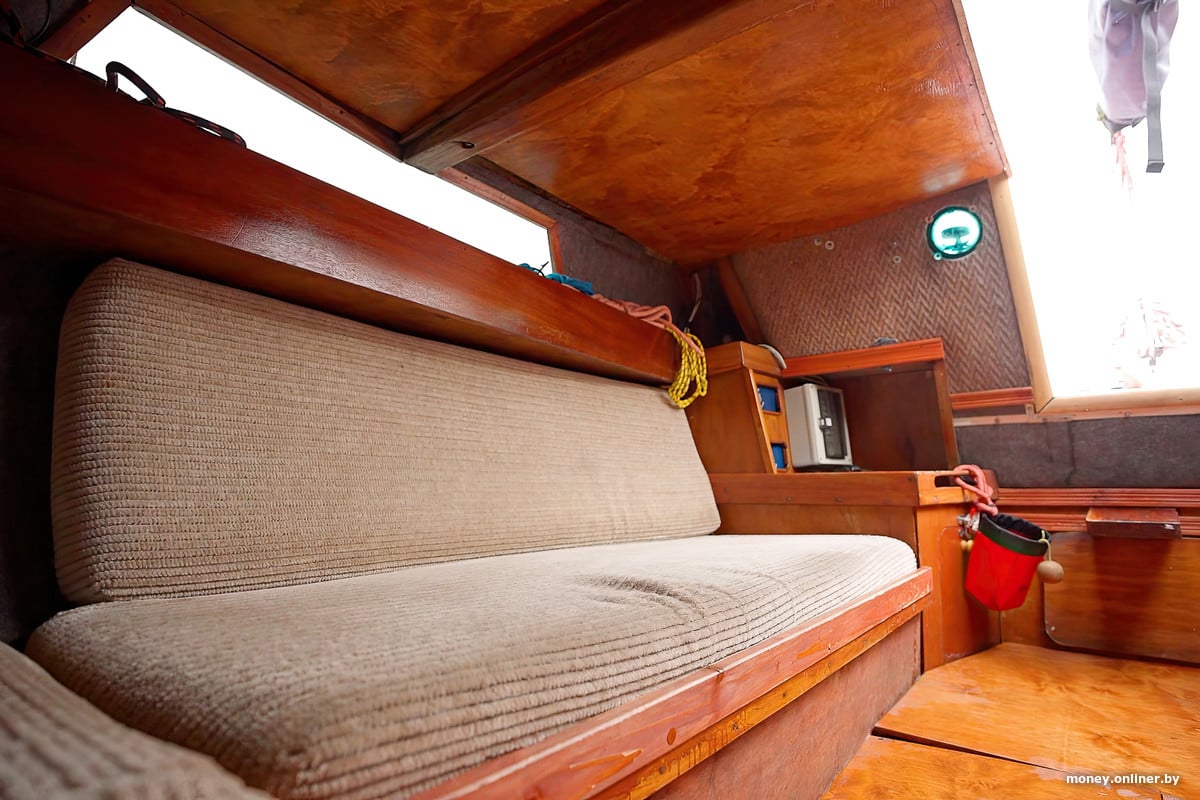
While some dream of yachts off the coast of Monaco, Alexandra and Anton have acquired their own Swedish yacht right on the Minsk Sea. It’s called “Violonche,” weighs 4 metric tons, and was built back in the last century. True, the name on the hull has a typo. The owners decided not to worry about it: it certainly won’t make the boat sail any worse.
“You could say that we didn’t choose her—she chose us,” says Anton. “We didn’t sit around flipping through catalogs trying to decide which boat to buy.” It had been sitting here in the marina for a long time, and then its owner decided to sell it. And it turned out that it’s a perfect fit for what we want to do.
It’s a seagoing, keel-hulled boat, designed for rough waves and strong winds. You don’t see many boats like this on the Minsk Sea. Most of the yachts here are designed for lake sailing, but ours is built to handle more challenging conditions.
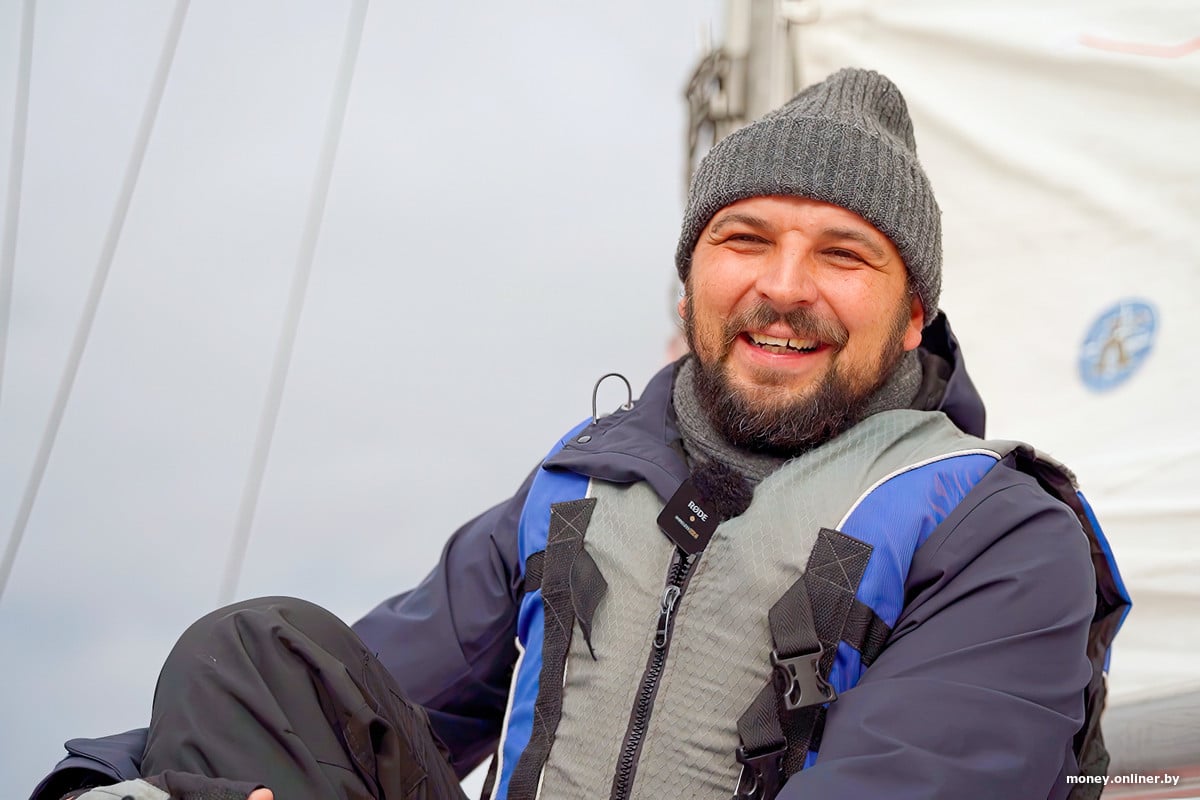
— It’s a Swedish yacht built around 1970–1980.
<
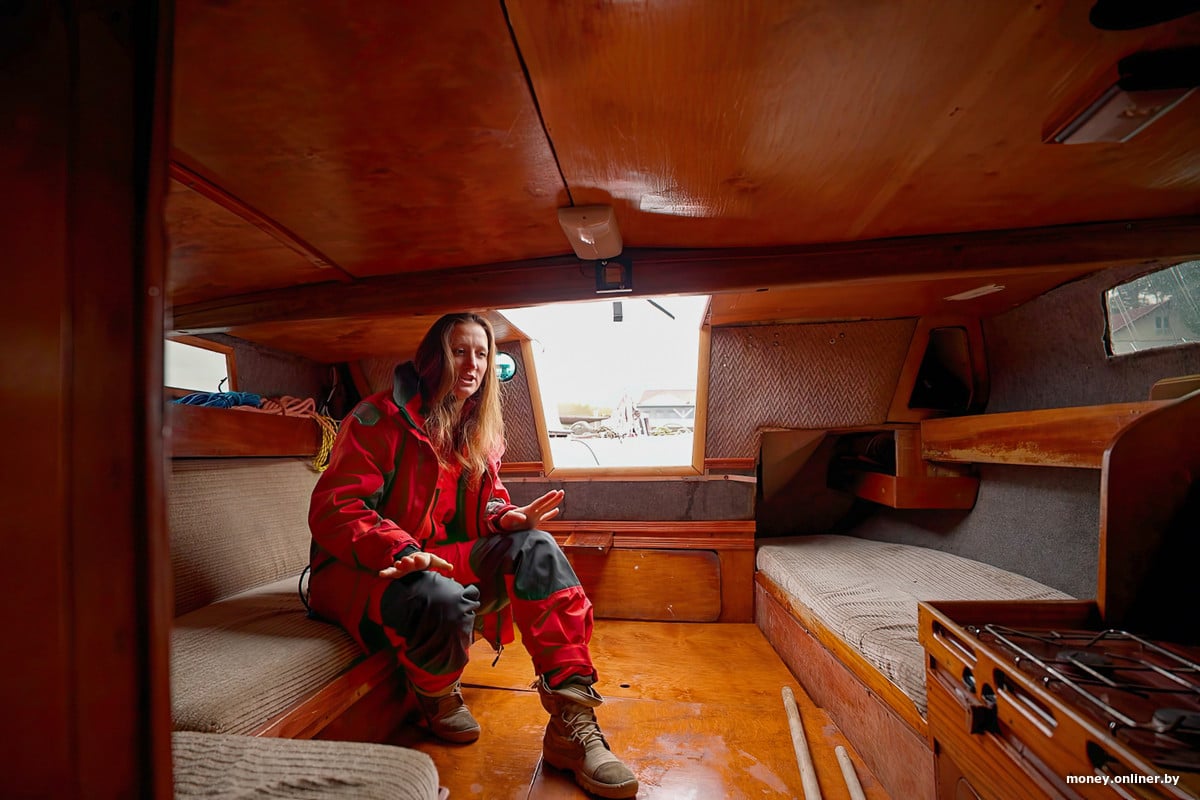
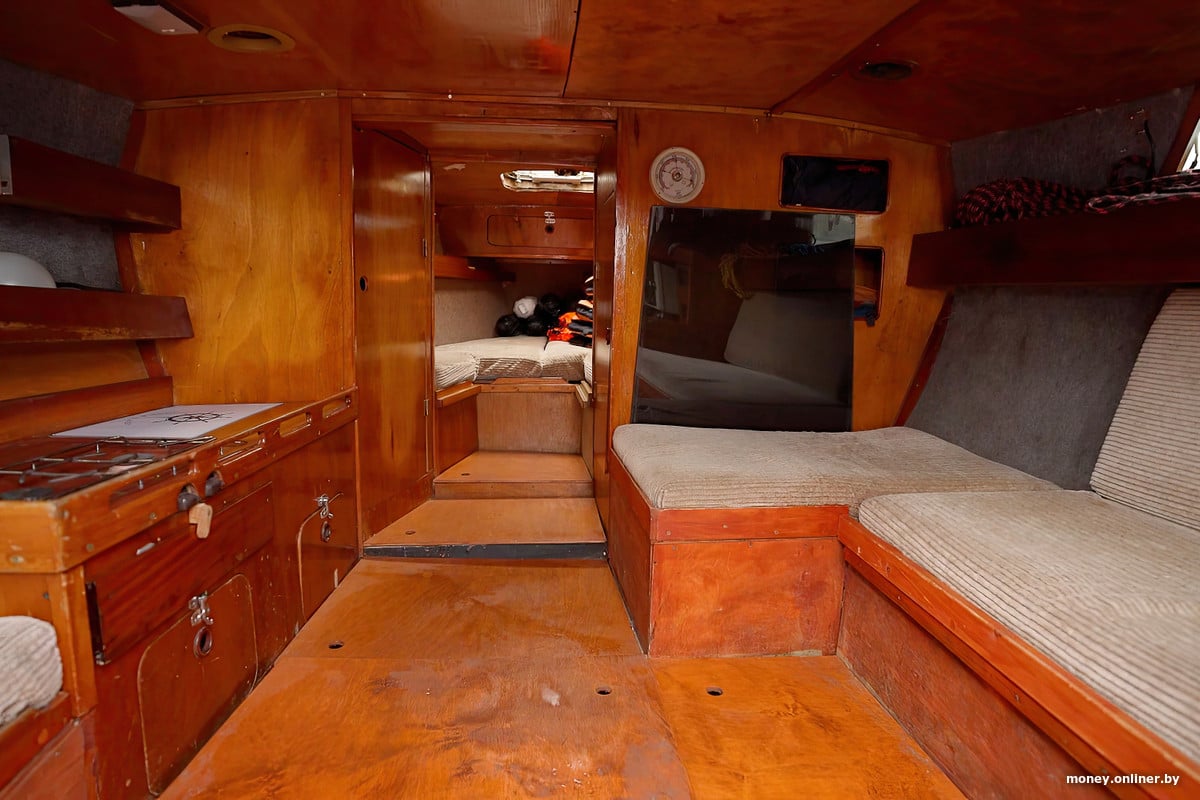
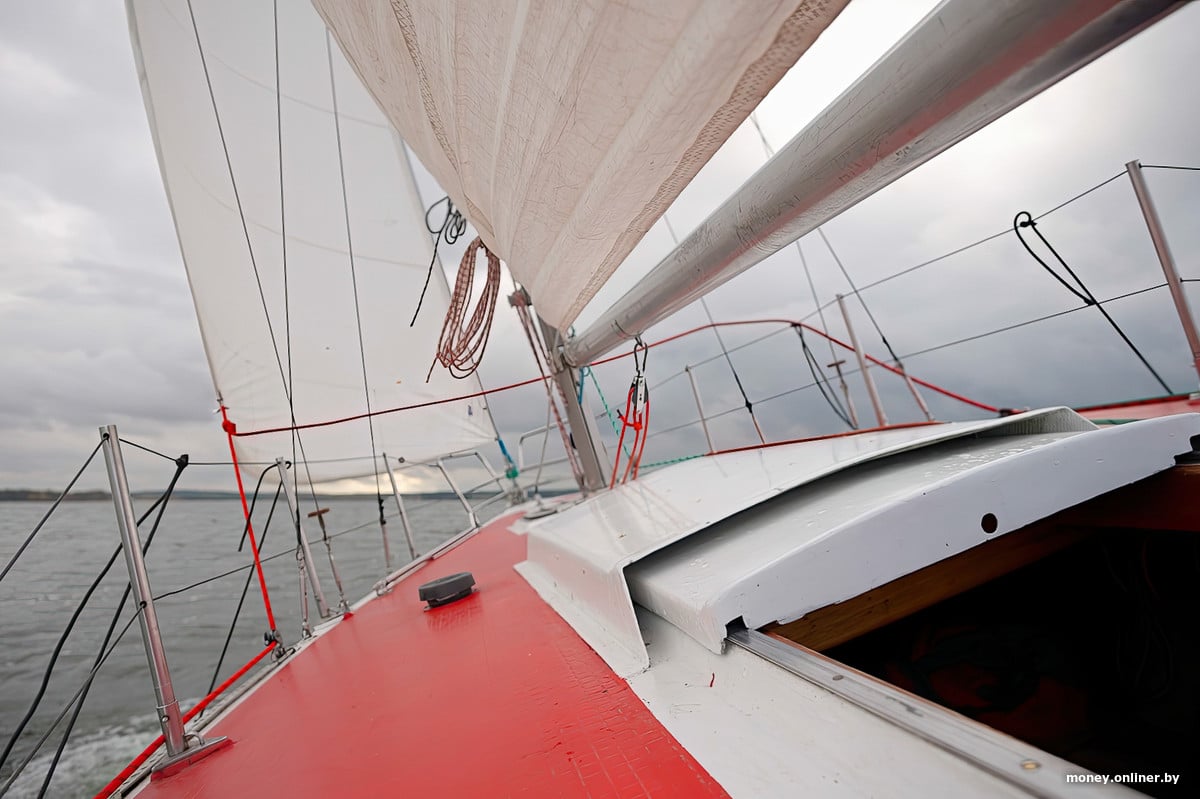
“It’s a Swedish yacht, built sometime in the 1970s or 1980s,” Alexandra adds. “It weighs about 4 metric tons. It has a rather unusual design: a flat deck with no superstructure. Thanks to this, there’s plenty of space on deck; we can move around easily and the whole crew can work the sails together. On the other hand, the ceiling inside is low, so we have to duck a little.”
The boat can accommodate up to eight people, but if we’re talking about a full crew where everyone has their own role, six is ideal. And for a long voyage with overnight stays, four is the most comfortable—that’s how many berths there are.
Inside, there’s a small kitchen with two burners, storage space, and life jackets. We’ve even gone out on the Minsk Sea for two days with an overnight stay. So it’s perfectly possible to live here, cook meals, and travel.
From the Minsk Sea to the Gulf of Finland. Where Belarusians Go Sailing
As soon as you move away from the shore, hoist the sails, and catch the wind, the familiar world changes a bit. At the same time, the yacht doesn’t necessarily go where the wind is blowing. To reach the desired destination, you sometimes have to zigzag, changing course and sail position. The boat heels, and something is constantly shifting beneath your feet.
— I love that you can come out on a yacht after a tough workweek and literally switch off. Here, you stop thinking about your usual routine because you have to pay attention to what’s going on around you. And at the same time, you get a completely different experience. You even start to see familiar places in a new light.
In Belarus, people go sailing on the Minsk Sea, Lake Naroch, and the Braslav Lakes.
Alexandra and Anton have already sailed the Gulf of Finland, visited the St. Petersburg and Vyborg areas, and traveled across Lake Ladoga. When abroad, they rent yachts locally—this approach allows them to explore new waters without having to transport their own boat from Belarus.
“Some people still think that the captain has to be a man”
A separate topic for Alexandra is women in yachting. She admits that she still encounters the stereotype that the captain must be a man.
— The stereotype that there’s no place for girls on a yacht or that a woman can’t captain one is gradually becoming a thing of the past. There are quite a few female captains now. This stereotype probably persists most strongly here in the post-Soviet space. Here, people are more accustomed to seeing a man as the captain, and it’s sometimes harder for men to take orders from a woman.
I still face certain challenges when the crew is made up of men and the captain is a woman. But there’s only one captain on the boat, and the safety of everyone on board depends on following her orders. I really hope there will be more women who captain yachts themselves. For some reason, many people still think this is an exclusively male occupation that requires immense physical strength, but the reality is a little different. There are winches and special equipment—you just need to understand how to use them.
According to Alexandra, you can start training with absolutely no prior experience. You don’t need to understand how a yacht works, know nautical terms, or have any experience sailing a boat. In the first lessons, beginners are taught how sails work, how the wind affects the boat’s movement, why different rigging is needed, and what each crew member’s role is.
How to Become a Yacht Captain in Belarus and How Much You Can Earn
But it’s one thing to go sailing a few times on the Minsk Sea—it’s quite another to captain a yacht on your own. This raises questions: where in Belarus can you learn this, do you need a license, and can you later rent a boat somewhere in Greece or Turkey? According to our interviewees, it all depends on the goals the future captain sets for themselves.
“If you want to sail a yacht here in Belarus, it’s actually quite simple,” says Alexandra. “You don’t always need a license for a sailboat; a lot depends on what kind of engine the boat has. National licenses are issued through the State Inspection for Small Vessels.”
If, however, you plan to go out to sea and travel to other countries, you’ll need additional training. The navigation is different there, the conditions are different, and practical sea experience is required. After completing the training, you take theoretical and practical exams, and then you can obtain the corresponding certificate.
International certificates also vary. There are categories for sailing near the coast and others for longer voyages. So first you need to decide where you want to sail and on what kind of yachts, and only then choose a training program.
“And here it’s very important to understand that having a certificate doesn’t guarantee that you’ll be able to rent a yacht in every country,” Anton continues. — There are charter companies that may look at your documents and then ask you to demonstrate how well you can actually handle a boat.
For example, we have an ISSA certificate, which allows us to issue international licenses. With these, you can rent yachts in many countries, including Turkey, Greece, and Italy. But every company has its own requirements: some will ask you to confirm the number of nautical miles you’ve sailed, others will review your logbook—that is, your record of sailing experience—and still others may require additional documents.
And that’s as it should be. Because you’re taking on responsibility for an expensive vessel and the people on board.
With the skills we’ve acquired, it’s entirely possible to work as a skipper, guide tourists, or transport yachts from one country to another. And you don’t have to do this full-time—you can take on individual jobs. When it comes to earnings, the going rate for yacht transits is about €2 per nautical mile. And if you work as a skipper on a charter yacht, it’s roughly €150 per day.
The yacht itself is the cheapest part of the purchase
And now to the question that interests many: how much does yachting actually cost? Anton admits that it’s not exactly a cheap hobby. But at the same time, buying your own yacht isn’t necessary at all. What’s more, sometimes such a purchase brings the owner far more hassle than pleasure.
— In Belarus, it’s very difficult to talk about an average yacht price because we practically don’t have a fully developed market. There are too few listings to compare similar models and calculate an average price. If we’re talking about used yachts available here, the price range is roughly €15,000 to €80,000. There are also much more expensive options. For example, on the Minsk Sea, as far as I know, there’s a yacht worth about €220,000.
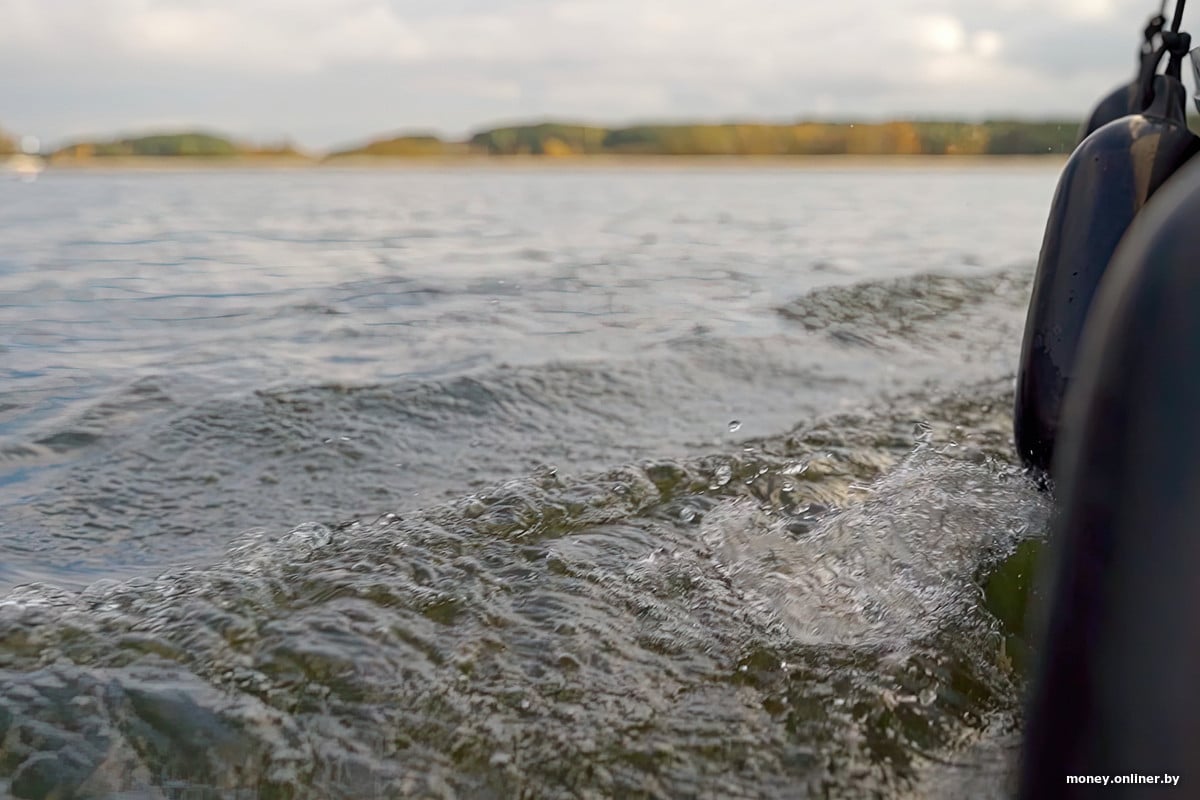
At the same time, there are manufacturers of new yachts in Belarus. One of our acquaintances who is involved in this kind of production has prices starting at around €50,000.
— Is it possible to buy a yacht for €1,000?
— Theoretically, yes. But here’s the problem: if you buy a boat for €1,000 in Belarus today, it will most likely be a small, battered little boat. If you buy one in Scandinavia, it will actually be a real sailing yacht. There are a lot of yachts there; to locals, they’re like bicycles—a common mode of transportation—and sometimes it’s easier for owners to sell an old boat cheaply than to keep paying for its storage and maintenance.
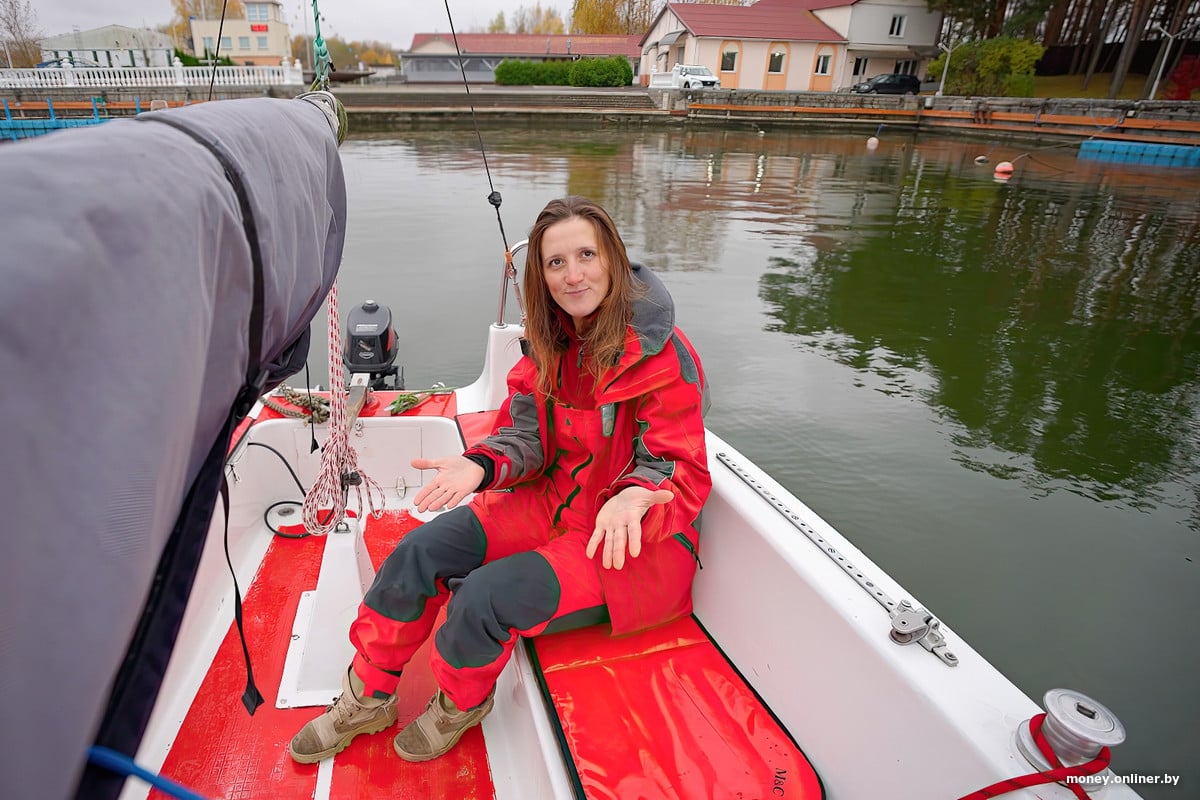
We checked out European classifieds websites and found that in Norway, Denmark, and Germany, there really are plenty of inexpensive yachts to choose from. For €500–2,000, you can find a sailboat that looks quite decent, and some owners are even willing to part with their vessel for free.
— But if you find a yacht, say, for €3,000, that doesn’t mean you’ll end up with it in Belarus for the same price. First, you’ll need to travel to another country, inspect the vessel, and assess its condition. You may need to hire a specialist to inspect the hull and equipment. You could spend a couple thousand euros just at this stage.
Next, you’ll need to register the yacht and arrange for it to be transported or towed. If we’re talking about a water transfer, it can take up to two weeks, and the cost of such a service sometimes reaches €10,000. Then there’s overland delivery, customs clearance, finding suitable transportation, and possible repairs.
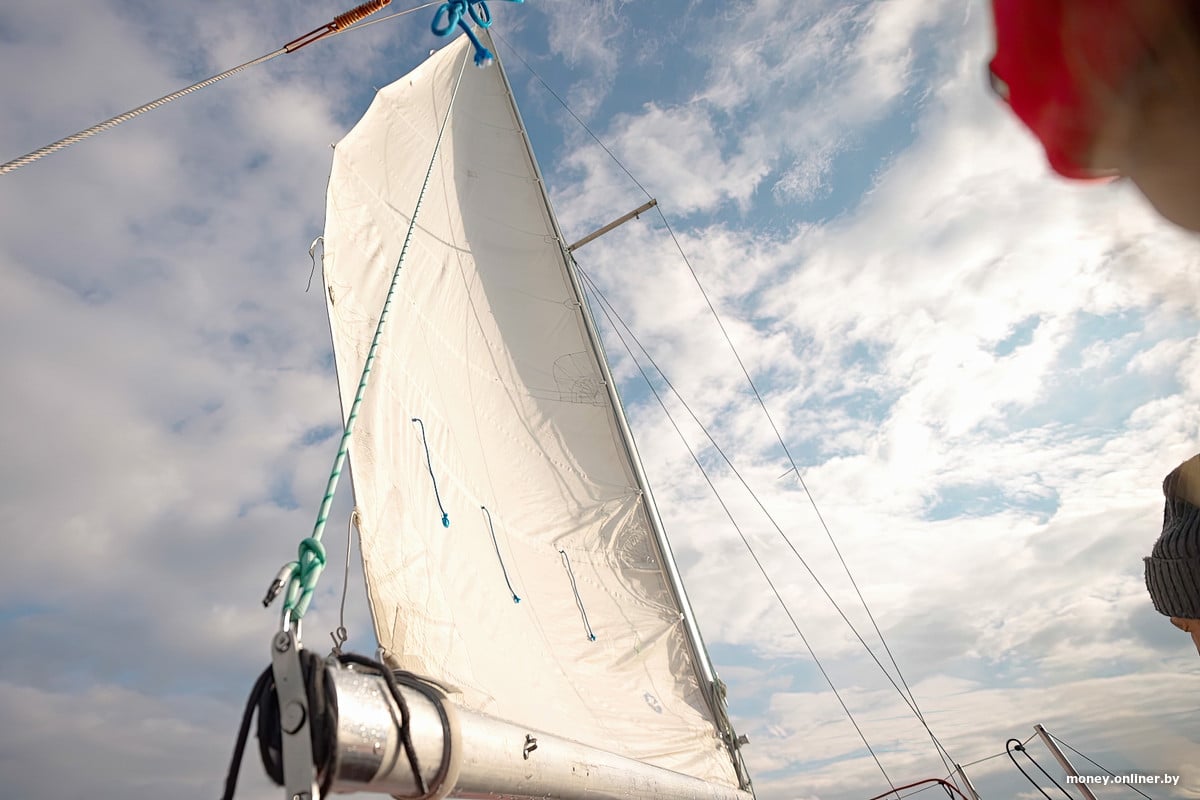
As a result, a yacht you bought for €3,000 could end up costing you €25,000—and that’s assuming no major surprises crop up.
The expenses don’t end after the purchase. You need to store the yacht somewhere, maintain it, get it ready for the season, haul it out of the water, and figure out what’s going on with the hull, sails, and equipment.
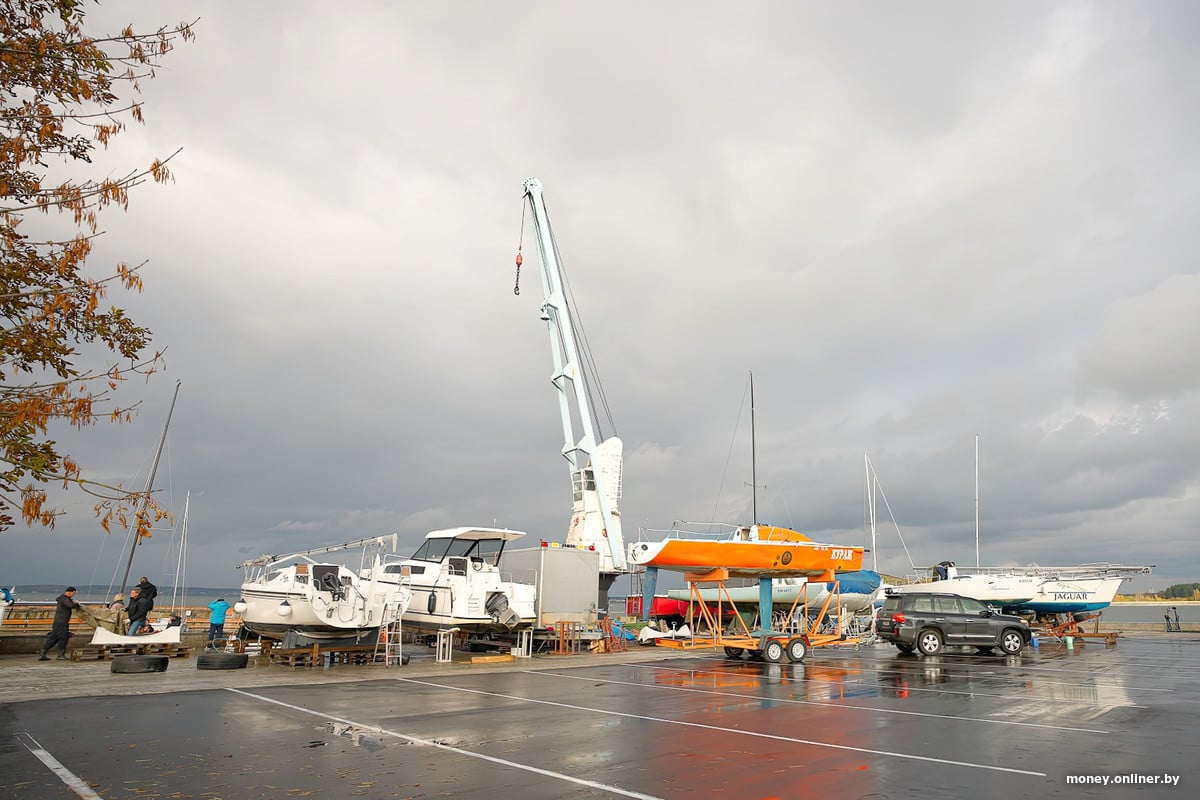
— Many people think that yachting is just about arriving in the summer, hoisting the sails, and gliding gracefully across the water. But there’s a huge part of a yacht’s life that no one sees. In the fall, you have to haul it ashore, prepare it for winter, check the equipment, and winterize the engine. In the spring, you do all of this in reverse.
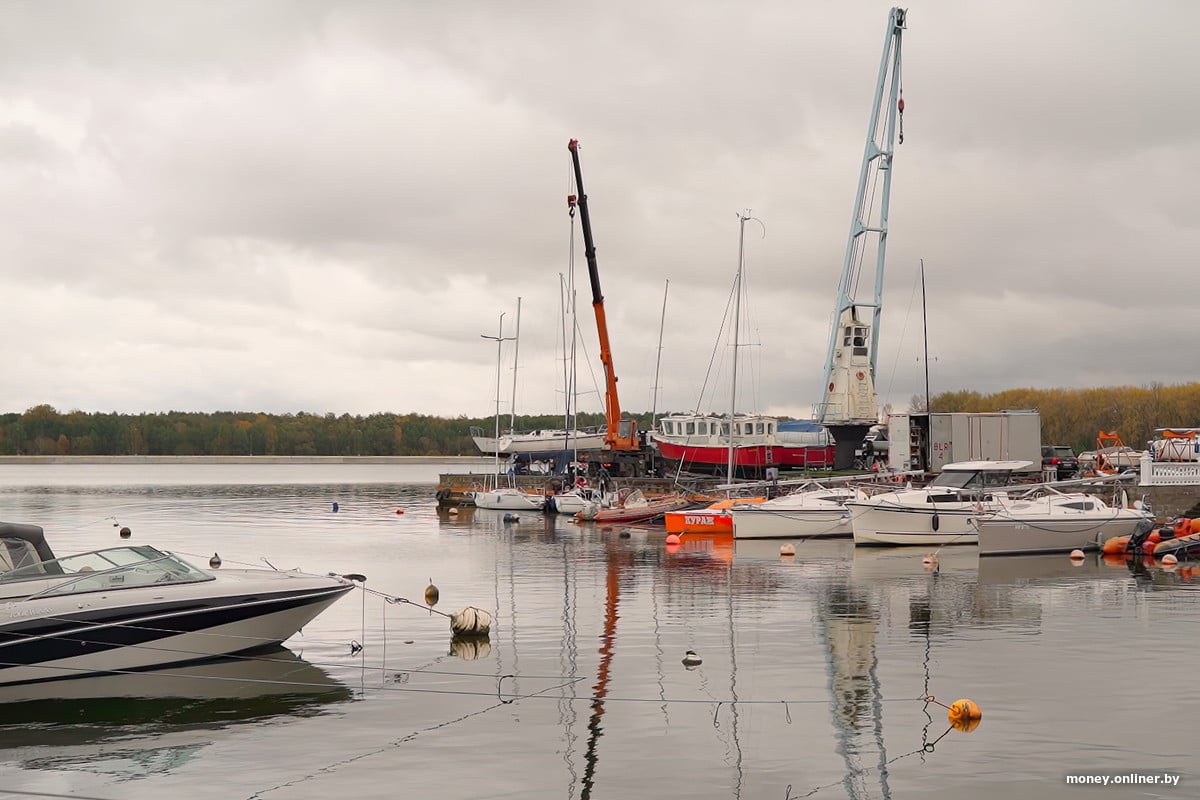
This isn’t a situation where you can just cover the boat with a tarp and forget about it until May. A yacht requires constant attention: something has worn out here, you need to replace tackle there, check the hull, and sort out the sails. Just imagine that one of your sails has torn—where would you repair it? This requires special materials and specific techniques. The same goes for rigging, winches, and hull coatings. Many items have to be sourced from abroad, ordered, and shipped. And if you don’t catch a problem in time, it can end up costing you much more later on.
We even had an incident with a yacht that was left in the water over the winter during the pandemic. The owner couldn’t come, and then the body of water froze over. In the end, we literally had to cut the boat out of the ice. Can you imagine how much of a hassle that is?
Just mooring or storing a yacht in Belarus can cost around $100 a month. This is a very rough estimate; obviously, it all depends on the size of the vessel, the location, and the conditions.
There are people who bought a yacht but then hardly ever use it. Some go out once or twice a season, while others just keep the boat on their property, constantly taking it apart, putting it back together, and repairing it. Sometimes people even take out loans for this, but they never actually get around to actually sailing.
— What’s the hardest part about this?
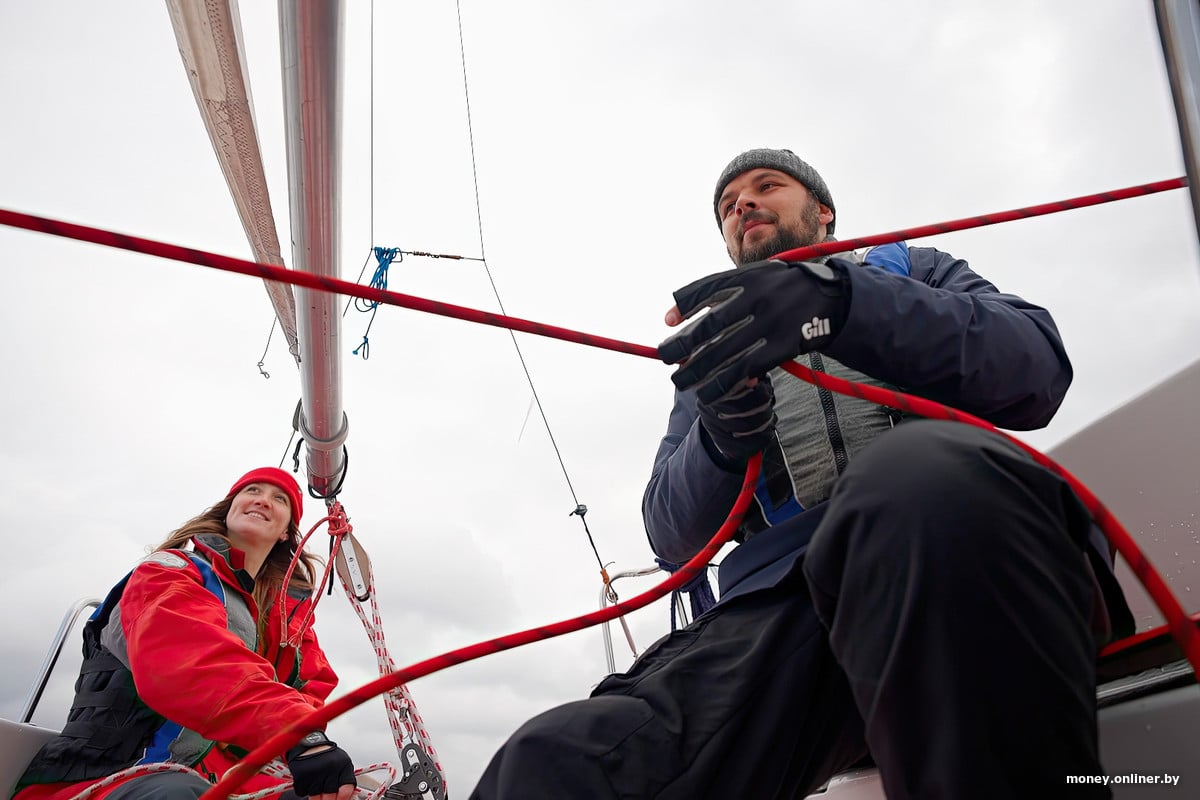
— As far as I’m concerned, the hardest part isn’t even the maintenance, but finding a crew—people you’ll regularly go out on the water with, who share your passion and are ready to work on the yacht together. Sailing is a team effort. Everyone has to know what they’re doing. One person handles the sails, another keeps an eye on the surroundings, a third helps with mooring, and if someone doesn’t do their part, it immediately affects everyone else.
I like that on a yacht, it doesn’t matter at all who you are on shore. You might be a CEO, a programmer, an architect, or a student—here, everyone shares a common goal, and we have to tackle it together. What’s more, the water very quickly reveals how people behave in challenging situations. On shore, a person might seem calm and confident, but when the weather changes and quick decisions are needed, completely different qualities come to the fore. And vice versa: someone who is quiet and unassuming in everyday life turns out to be someone you can rely on aboard a yacht.
Here, you learn to trust people, work things out with them, and take responsibility.
That’s why I always say: you don’t necessarily need to own your own yacht. You can join a club, attend training sessions, go on trips, or rent yachts. After all, we don’t come here just to say, “This is my property.” We come for the wind, the water, the sails, and the sensations that all of this brings.

Bank's name: Bank Millennium S.A.
Address: ul. Stanislawa Zaryna, 2A, 02-593, Warszawa
IBAN: PL97116022020000000216711123
SWIFT: BIGBPLPW
Name of the account holder: Fundacja “KARTA ‘97”
Purpose/title of payment: Donation for statuary aims
You can contact us by the e-mail [email protected]