


A Truth That Is Inconvenient For Lukashenko Has Come To Light
11- 29.08.2026, 15:24
- 14,240
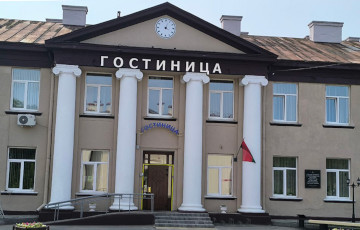
The region that the governor championed so strongly is falling into decline.
Belarus recently decided to introduce mandatory certification of hotels under a five-star system (previously, this was voluntary). They’ve made the decision, but it seems not all hotels will be able to meet the basic requirements for even one star—water, internet, and TV—according to “Solidarnast”.
According to “Vitbichi,” an auction for the sale of state-owned tourist facilities will take place in the region this September.
A total of 12 state-owned hotels will be put up for auction: the cheapest motel in Miory is listed for at least 43,000 Belarusian rubles (about $35,900 at the current exchange rate), while the nearly century-old hotel in Postavy has been valued the highest—they are seeking to raise over 1 million rubles (more than $329,000) for it.
The remaining hotels—mostly from the Soviet era—have long been in need of renovation. However, buyers will not be able to change their intended use without the written consent of the district executive committee; instead, they are required to modernize these properties.
“They are not operating efficiently enough,” the regional State Property Committee stated diplomatically.
Officials did not release the figures for public scrutiny. However, according to data from 2025, hotel occupancy in the Vitebsk Region stood at 29.7%—one of the lowest rates in the country, even taking the “Slavyanskiy Bazaar” into account. That, however, does not prevent officials from promising to “take the tourism industry to a whole new level” by the end of the five-year plan.
It appears that local authorities are desperate for “stars,” but there’s no one to light them: there simply isn’t any money. But passing the mandatory certification at someone else’s expense? That’s always welcome.
To understand the scale of the crisis in the Vitebsk Region’s tourism sector: as of August 2026, only 13 hotels in the region had been certified, 6 of them with a “no-star” rating. And of the properties currently listed for sale, only the municipal hotel operated by the Postavy Housing and Utilities Department has a certificate (also “no-star”).
Essentially, investors are being offered suitcases without handles. After all, even if you invest in modernizing and renovating the rooms, installing reliable internet, training staff, and launching social media campaigns, there is no guarantee of a return on investment or an influx of guests. This is because tourists need more than just a place to stay; they need infrastructure: places to eat, sights to see, and souvenirs and local products to buy.
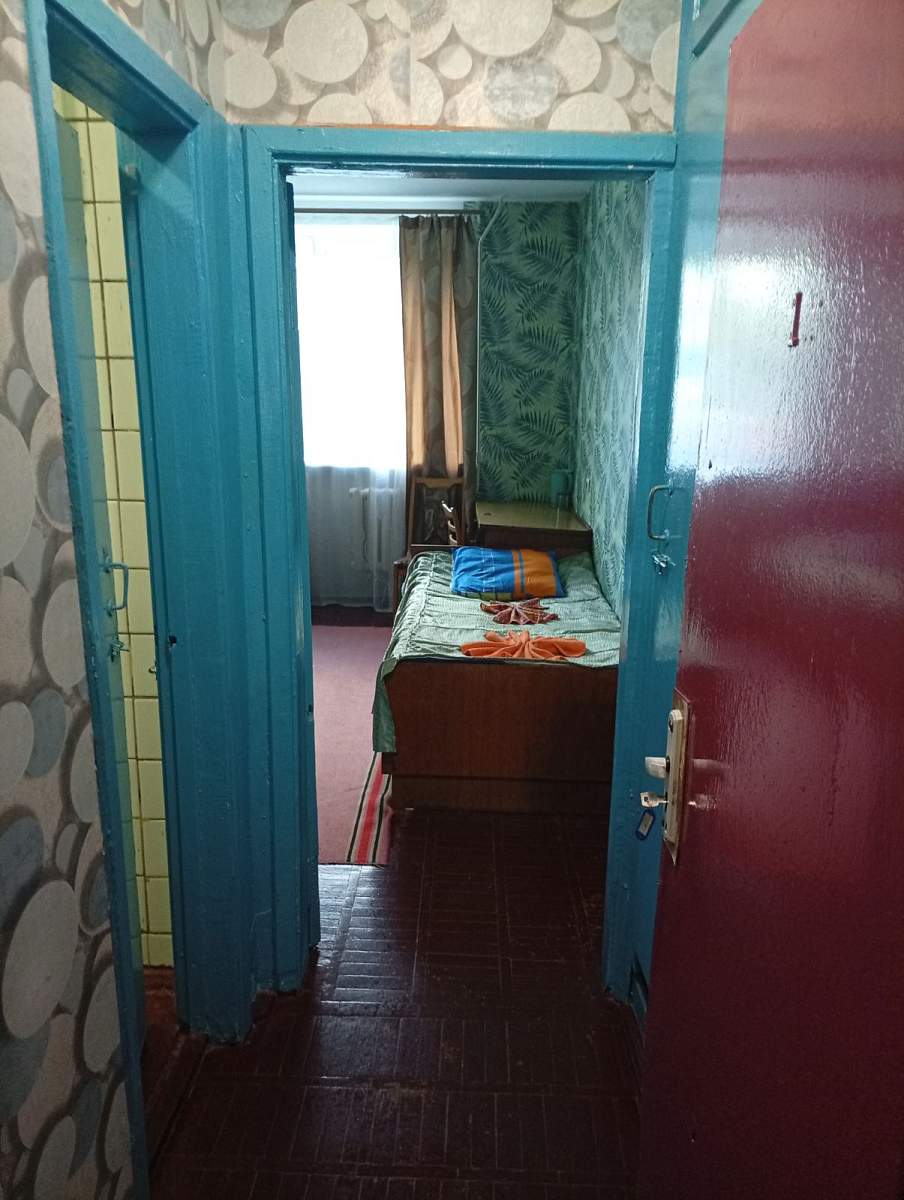
And while Begoml still has the picturesque ruins of the Church of All Saints, the “Vasilek” butcher shop, and the Berezinsky Biosphere Reserve is right nearby, the infrastructure in Senno is the stuff of legends—even among business travelers—and these are by no means complimentary: dining establishments “open sporadically,” and tourist ratings range from 1.4 to 2.2.
And while sprucing things up just to get a certificate—which comes with endless inspections from all sorts of regulatory agencies—is hardly something many private business owners are eager to do. So it’s highly doubtful that the sale of state-owned hotels will help Vitebsk Region earn more stars.

Bank's name: Bank Millennium S.A.
Address: ul. Stanislawa Zaryna, 2A, 02-593, Warszawa
IBAN: PL97116022020000000216711123
SWIFT: BIGBPLPW
Name of the account holder: Fundacja “KARTA ‘97”
Purpose/title of payment: Donation for statuary aims
You can contact us by the e-mail [email protected]