

Gasoline Prices In Russia Have Hit A 20-year High
2- 24.06.2026, 22:01
- 5,902
-t.jpg)
There's panic at the gas station; drivers are buying up fuel by the jugful.
The rise in retail gasoline prices in Russia continues to accelerate amid a fuel crisis that has already spread to more than 60 Russian regions.
During the week of June 16–22, gasoline prices at Russian gas stations rose by an average of 3%, Rosstat reported on Wednesday. This is the sharpest weekly increase in the 20 years of available statistics, notes Bloomberg.
AI-92 rose by 2.13 rubles and is now selling for 67.54 rubles per liter; AI-95 rose by 2.09 rubles to 73.20 rubles per liter, while AI-98 now costs 96.51 rubles per liter—1.13 rubles more than a week earlier.
According to Rosstat, gasoline prices rose by 5% over the first three weeks of June—more than during the entire period from January through May combined. And although there is still a week left until the end of the month, June’s surge in gasoline prices has already exceeded the increase for any full month since May 2018 (when gasoline prices rose by 5.63%).
Year-to-date, the increase in retail gasoline prices has reached 9.8%, nearly double the official inflation rate (5.85%) and three times the rate for January–June of last year (3.28%). Over the comparable period (January–June), the gasoline price shock was the most severe since 2011: back then, fuel prices rose by 10.57% in the first six months of the year, according to historical data from Rosstat.
The fuel crisis Russia faced in 2026 is “the worst in two decades,” according to analysts at Energy Intelligence. Following a series of attacks on refineries—16 plants were targeted in May and another 6 in June—gasoline production fell by 25%, according to Reuters estimates, and now falls 20% short of domestic consumption. To mitigate the crisis, authorities have already allowed refineries to produce lower-quality gasoline, may begin importing it from India, and are negotiating with Kazakhstan for an emergency purchase of 50,000 metric tons.
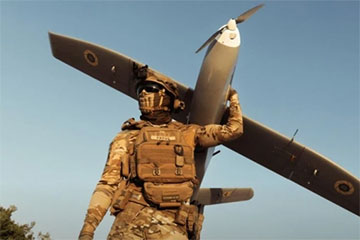
“Ukraine’s drone campaign against Russian energy infrastructure is becoming an increasingly serious macroeconomic problem for Moscow,” notes Liam Peach, senior economist at Capital Economics. This is exacerbating both inflationary and fiscal pressures, he emphasizes.

Bank's name: Bank Millennium S.A.
Address: ul. Stanislawa Zaryna, 2A, 02-593, Warszawa
IBAN: PL97116022020000000216711123
SWIFT: BIGBPLPW
Name of the account holder: Fundacja “KARTA ‘97”
Purpose/title of payment: Donation for statuary aims
You can contact us by the e-mail [email protected]