


Oil Won't Get Cheaper Again?
14- 17.04.2026, 9:35
- 7,100
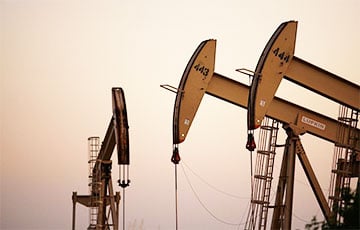
The war in Iran changed everything in the global matrix.
Fuel prices are at risk of never returning to "normal" even with the opening of the Strait of Hormuz. Buyers will be forced to hedge and take oil "up front," which risks driving up costs.
This is reported by Independent.
Optimists were hoping for a quick recovery after prices fell below $100. But the reality has been brutal - ship insurance costs have skyrocketed and tankers are now forced to bypass the Middle East.
Transit routes have gotten longer and shipping in general is shrinking. Supply chains are breaking down before our eyes and every extra mile at sea is an extra cent to the cost of a gallon of gasoline at the gas station.
High commodity prices aren't just hitting drivers. The price of oil affects every end product: first gasoline and diesel become more expensive, then transportation of goods, and then agriculture is hit, because most fertilizers are made from petrochemicals.
But the list is much broader. According to the U.S. Department of Energy, petroleum is present in more than 6,000 everyday consumer products.
For example:
aspirin and other drugs;
dishwashing detergent;
toothpaste and dyes;
plastic in any form.
Construction is also going "gold." Asphalt, insulation, pipes and paints are byproducts of petroleum refining. The energy crisis automatically makes housing less affordable for people.
The world economy is changing strategy: from saving to stockpiling
Before 2020, the world operated in just-in-time mode. Businesses bought only as much oil as they needed for the day. It was cheap and efficient, but the wars in Ukraine and Iran changed all that.
The "just in case" principle now reigns and countries are scrambling to accumulate reserves. States are building huge new storage facilities and insurance for strategic reserves is becoming mandatory.
These new costs are being borne by consumers. Someone has to pay for the construction of new terminals and maintenance of "extra" oil. Consequently, the cost of any product goes up.
Is there hope for a technological breakthrough
In the past, high prices have always spurred innovation. Chevron once pioneered deepwater drilling. The shale revolution has made the US the largest producer of oil, but this time the situation is critical.
Middle East production facilities have been severely damaged. It will take years to restore them and the question is no longer whether there is oil in the ground. The question is whether it can be delivered cheaply and at scale.
"The Stone Age didn't end because the world ran out of stones, and the oil age won't end because we run out of oil," the publication quoted Don Huberts, former head of Shell Hydrogen, as saying.
But cheap oil as a foundation for stability is gone. People are already adapting: traveling less, choosing public transportation and electric cars more often. Industry is investing in green energy out of necessity, not idealism, although the road to the new reality will be thorny, the article summarizes.
What is the situation with oil now
Despite this negative outlook, the price of oil slowly began to decline amid Trump's statements about negotiations with Iran. However, experts are confident that until a peace agreement is reached and free navigation through the strait is restored, oil will fluctuate between $80 and $100.
In the meantime, the International Energy Agency (IEA) is consulting with governments in Asia and Europe to release more oil reserves. The IEA predicts an "oil shock" that will be scarier than the 1970s.

Bank's name: Bank Millennium S.A.
Address: ul. Stanislawa Zaryna, 2A, 02-593, Warszawa
IBAN: PL97116022020000000216711123
SWIFT: BIGBPLPW
Name of the account holder: Fundacja “KARTA ‘97”
Purpose/title of payment: Donation for statuary aims
You can contact us by the e-mail [email protected]