

Kazakhstan Says Goodbye To Russia
5- 7.10.2026, 17:30
- 13,818
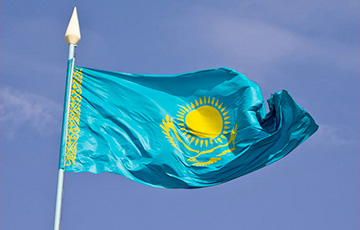
The country has come a long way from the Gulag camps to becoming an independent state.
Karaganda is known today as one of Kazakhstan’s largest coal-mining centers. But behind the region’s industrial wealth lies a history of the Gulag, mass deportations, and forced industrialization initiated by the Soviet authorities, writes The Diplomat.
In the late 1920s, in the cold Kazakh steppe, there were virtually no volunteers willing to work in the coal mines. The Gulag solved the problem. In 1930, the Karaganda Correctional Labor Camp, or Karlag, was established here, where political prisoners, peasants, members of “unreliable” ethnic groups, and other victims of repression were sent.
By 1940, the territory of Karlag had reached approximately 17,000 square kilometers, and the number of prisoners had risen to 65,000. It was their labor that was used to build the mines and the industrial infrastructure around which Karaganda grew.
“The Soviet judicial system suddenly created a huge labor force with virtually no choice,” according to memoirs of that period.
At the same time, Kazakhstan paid for Soviet industrialization with more than just forced labor. Collectivization destroyed the traditional nomadic way of life, and the famine of the 1930s led to a catastrophic decline in the population. In 1926, Kazakhstan’s population stood at 3.6 million; by 1939, it had fallen to about 2.3 million.
At the same time, the Soviet authorities suppressed Kazakh culture and destroyed the national intelligentsia.
Today, Kazakhstan is an independent state, and Karaganda remains a symbol of an era when Moscow turned the republic’s resources into fuel for its own industrial might. Russia lost political control over Kazakhstan long ago, but the traces of the Soviet past have not disappeared here.

Bank's name: Bank Millennium S.A.
Address: ul. Stanislawa Zaryna, 2A, 02-593, Warszawa
IBAN: PL97116022020000000216711123
SWIFT: BIGBPLPW
Name of the account holder: Fundacja “KARTA ‘97”
Purpose/title of payment: Donation for statuary aims
You can contact us by the e-mail [email protected]