Europe Has Found A Response To Trump's Antics
3- 16.10.2026, 11:25
- 4,292
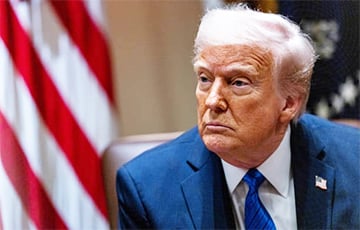
Photo: Getty Images
Europeans have announced new sanctions against Russia.
European leaders are reacting with increasing calm to the harsh statements made by U.S. President Donald Trump and his decisions in favor of Moscow. Whereas a year ago European politicians tried to urgently repair relations between Washington and Kyiv after every conflict, they now prefer to act without undue haste, writes Politico (translation by Charter97.org).
The latest cause for discontent was Trump’s agreement to purchase Russian diesel fuel and his calls for the resignation of Ukrainian President Volodymyr Zelenskyy. In response, Europeans expressed support for Ukraine and announced new sanctions against Russia, but did not rush to seek a face-to-face meeting with the U.S. president to resolve the latest crisis.
“‘They’ve simply gotten used to him,’” explained former Ukrainian Foreign Minister Dmytro Kuleba. According to him, European leaders no longer feel the same fear they once did toward Trump’s statements and are forced to take their own domestic problems into account.
Former U.S. diplomat Daniel Fried notes that Europe now seeks above all to “minimize the damage” caused by the White House’s decisions. European politicians are trying to maintain working relationships with those members of the U.S. administration with whom cooperation is possible, rather than rushing to the rescue every time Trump makes another statement.
Skepticism is also fueled by the diesel deal itself. Fried considers it legally questionable and practically unworkable, noting that it is unclear whether Russia will be able to supply the promised volumes of fuel.
Furthermore, European leaders do not want to appear as supplicants constantly seeking Washington’s favor. They are counting on Trump, as before, to back down from his own bold statements.
At the same time, Europe understands that it will have to shoulder much of the responsibility for Ukraine’s security on its own, given the unpredictability of U.S. policy.

Bank's name: Bank Millennium S.A.
Address: ul. Stanislawa Zaryna, 2A, 02-593, Warszawa
IBAN: PL97116022020000000216711123
SWIFT: BIGBPLPW
Name of the account holder: Fundacja “KARTA ‘97”
Purpose/title of payment: Donation for statuary aims
You can contact us by the e-mail [email protected]