

WSJ: Iran Is Being Hit In A Way That Could Help A Potential Uprising
- 4.03.2026, 14:03
- 2,360
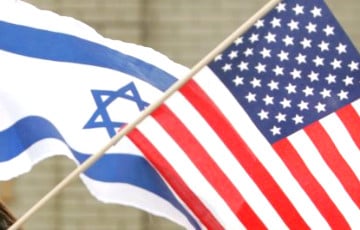
U.S. and Israeli militaries focused on strikes against Iranian strongmen
On the first day of the military operation against Iran, President Donald Trump urged Iranian security forces to surrender, promising them immunity and death if they did not. Islamic Revolutionary Guard Corps (IRGC) fighters and other guards of the ayatollahs' regime did not go along with this, and the U.S. and Israeli militaries began targeting their leaders and command centers to aid a potential uprising, writes The Wall Street Journal.
The U.S.-Israeli targets on Sunday included the IRGC's Sarallah headquarters in Tehran, the centerpiece of a crackdown on Iranian protests. During mass demonstrations, this headquarters coordinates intelligence, police operations and members of the Basij militia, as well as conducting psychological warfare.
In addition, Israeli fighter jets struck the special forces headquarters of Iran's police department, known as Faraj, which is responsible for suppressing riots and civil unrest. Iran later acknowledged the death of Faraj intelligence chief Gholamreza Rezaian. "These bodies were responsible for, among other things, suppressing protests against the regime through violent measures and arrests of civilians," the Israeli military claimed. The U.S. and Israel also attacked security forces' facilities in Kurdish areas of western Iran, which are traditionally strongholds of anti-government forces.
The Kurdish city of Senendej was attacked on Monday by police stations and detention centers controlled by the intelligence services and the IRGC, according to human rights activists from the Hengaw Organization for Human Rights. Iranian state media said the strikes hit residential areas of the city.
Iranian security forces deployed large forces in Kurdish neighborhoods during the January protests and violently suppressed protests in Senendej. On Monday, the IRGC sent messages to local residents demanding that they report any movement of weapons or military activity, according to Hengaw, which published one such message.
In addition, on March 4, the IDF said it had struck "dozens of command centers... internal security centers and Basij command posts." According to the Israel Defense Forces, these centers "were used by the Iranian side for control throughout the country and to monitor the general situation."
The largest protests in the Islamic republic's history have been ongoing in Iran since late December. The protests erupted amid record inflation and dissatisfaction with the economic situation, but quickly escalated into large-scale political protests covering all regions of the country. The authorities brutally suppressed the movement, killing an estimated 3,200 to more than 30,000 people.

Bank's name: Bank Millennium S.A.
Address: ul. Stanislawa Zaryna, 2A, 02-593, Warszawa
IBAN: PL97116022020000000216711123
SWIFT: BIGBPLPW
Name of the account holder: Fundacja “KARTA ‘97”
Purpose/title of payment: Donation for statuary aims
You can contact us by the e-mail [email protected]