

"You Could Make Three Thousand Dollars In A Day."
1- 31.10.2026, 10:35
- 1,598
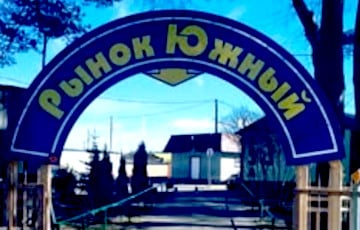
How Grodno Residents Transported Goods from Poland in the 2000s.
In the early 2000s, the “Yuzhny” market in Grodno was a destination for people from all over Belarus who came to buy Polish goods. Entrepreneurs brought in clothing, shoes, and jewelry, and on a good day in wholesale sales, they could earn up to $3,000. With the rise of shopping malls and the arrival of mass-market brands, the need for such resellers disappeared, but former entrepreneurs still reminisce about those days. Vasily—one of those who transported goods from Poland—told MOST how this business operated and why it nearly came to a halt.
“We transported everything: shoes, watches, underwear, ties”
Entrepreneurs purchased goods, among other places, at Polish markets. To transport the goods across the border duty-free and deliver them to Grodno, they used the services of intermediaries. One of the places where they could be found was the so-called “Field of Miracles” in Kuznica, Poland. Local entrepreneurs would bring their goods there and hand them over to people who agreed to transport the purchases across the border under the guise of personal items.
“We carried everything: shoes, watches, underwear, ties. From a gun… to a bullet, from a rocket to a needle,” jokes Vasily.
They were paid separately for each item transported. To carry more goods, the couriers would put some of the items on, hide the tags, and pack the rest in the trunk.
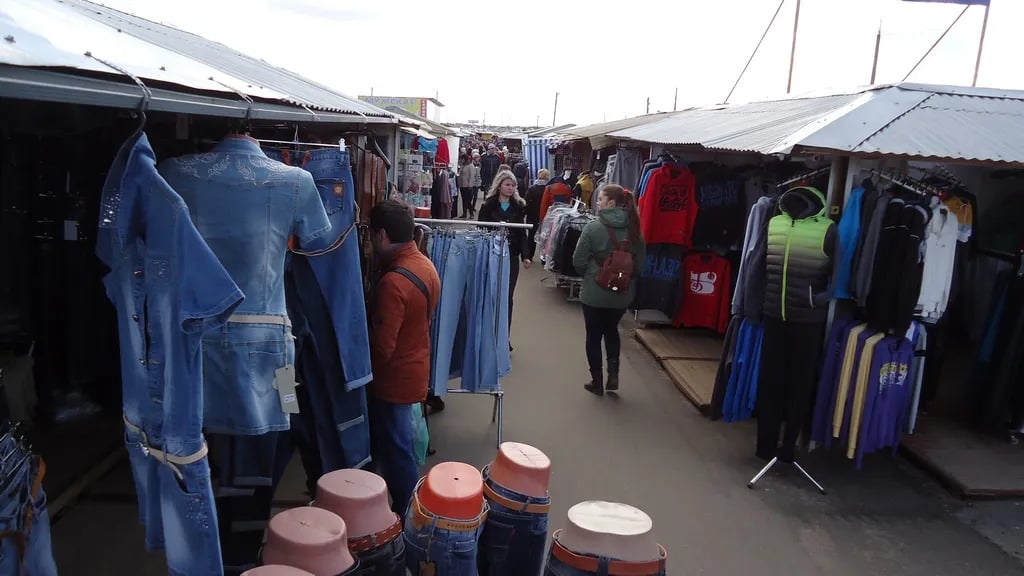
“It cost five dollars to transport a jacket. I’d put one on myself, hide the tag, and put the other in the trunk. Here’s ten bucks. That’s how we gathered goods—supposedly for ourselves.
After the middlemen delivered the goods to Grodno, the entrepreneurs would go around to apartments and pick up their purchases.
Trading was often a family business.
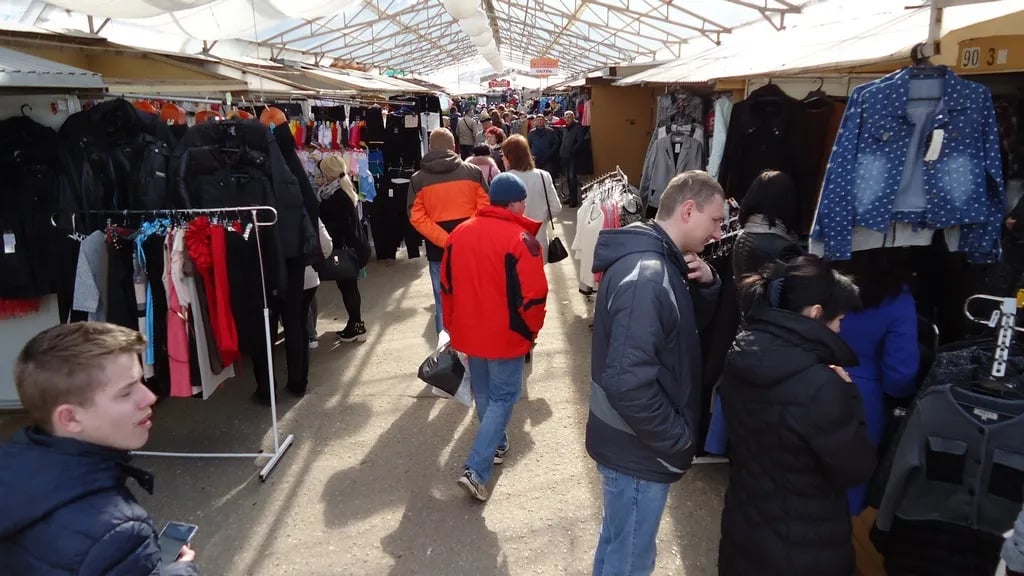
On Tuesdays, the market held a wholesale day. Businesspeople from various regions of Belarus—Minsk, Vitebsk, Gomel, Mogilev, and smaller towns—would come to pick up goods.
— Everything was centered around Grodno, near the border. Not everyone could make the trip from Mogilev to Białystok, and it wasn’t profitable anyway, so everyone came to us for Polish goods. On that day, you could make three thousand dollars on a large shipment of goods—as if it were falling from a tree,” recalls Vasily.
They carried gold on their person and bought cigarettes in Russia
The trade in gold jewelry was a separate business. According to Vasily, it was illegal to sell it back then, but buyers knew where to find the goods.
“Twenty-two grandmothers were standing in a row. Each one held one or two chains in her hands, and they chanted like a tongue twister: ‘Gold, silver, jewelry…’
They also carried the jewelry across the border on their persons. According to Vasily, one gram of gold could yield about three dollars in net profit.
Another business venture in the late 1990s and early 2000s was trade between Russia and Belarus. Entrepreneurs would transport dairy products—cheese and sour cream—to Smolensk. With the money they earned, they would buy cigarettes and take them to Grodno. Some sold the goods on the spot, while others shipped them on to Poland.
— You had to hide ten-kilogram blocks of cheese. We’d tie them to our stomachs. As a rule, we didn’t even need to go to the market—the goods were picked up right off the train.
“The market began to lose its former scale”
With the emergence of modern shopping centers, this type of trade began to fade, and then buyers started switching to online marketplaces, including international ones. According to Vasily, first traders from the regions stopped coming to Grodno, and then those from regional centers.
— Now a minibus comes from Mogilev once a month. The market began to lose its former scale around 2013: shopping malls appeared, then came COVID, and the borders closed. And when online stores and marketplaces emerged, trade all but dried up.
Now “Yuzhny” is a weekend market. On Saturdays, people from Grodno come here; on Sundays, residents of villages and district centers arrive.
Vasily estimates that the market is now about half the size it used to be. But trade continues. One of the main categories is clothing, which is sewn in private workshops in Grodno.
“There are quite a few private sewing workshops in Grodno. Vendors place orders there for pants, dresses, and suits.” Most of the sales are wholesale: on Tuesdays and Fridays, sellers from other cities come and pick up their goods. There are also buyers from Russia. There’s a lot of Russian junk at the market—from “Sadovod” (a market in Moscow. — Ed. MOST), for example.
“Only the enthusiasts are left here”
Some business owners have moved to shopping centers. But their rent costs have gone up. According to Vasily, a small stall at the market costs about 140 rubles, whereas rent in a shopping center can cost 40 euros per square meter.
“How will a business owner pay for that? Of course, they’ll have to raise prices. That suit he used to sell at the market for $120 will cost 300 euros at the shopping center.”
“The only ones left here are the true enthusiasts,” says Vasily.
“You can only make a lot of money if you’re selling cannabis,” jokes the man from Grodno. “You can only make a lot of money if you trade in cannabis,” jokes the man from Grodno.

Bank's name: Bank Millennium S.A.
Address: ul. Stanislawa Zaryna, 2A, 02-593, Warszawa
IBAN: PL97116022020000000216711123
SWIFT: BIGBPLPW
Name of the account holder: Fundacja “KARTA ‘97”
Purpose/title of payment: Donation for statuary aims
You can contact us by the e-mail [email protected]