“UEFA Should Suspend Them”: Belarusian Football Players To Face Tough Questions in Scotland
3- 7.10.2025, 12:59
- 8,032
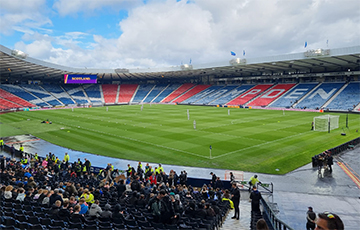
Activists want to ask them about political prisoners.
On October 12, the Belarus national football team will arrive in Glasgow to play a World Cup qualifying match against Scotland. Local activists and human rights defenders are planning to stage a protest outside Hampden Park Stadium to draw attention to the situation with political prisoners in Belarus.
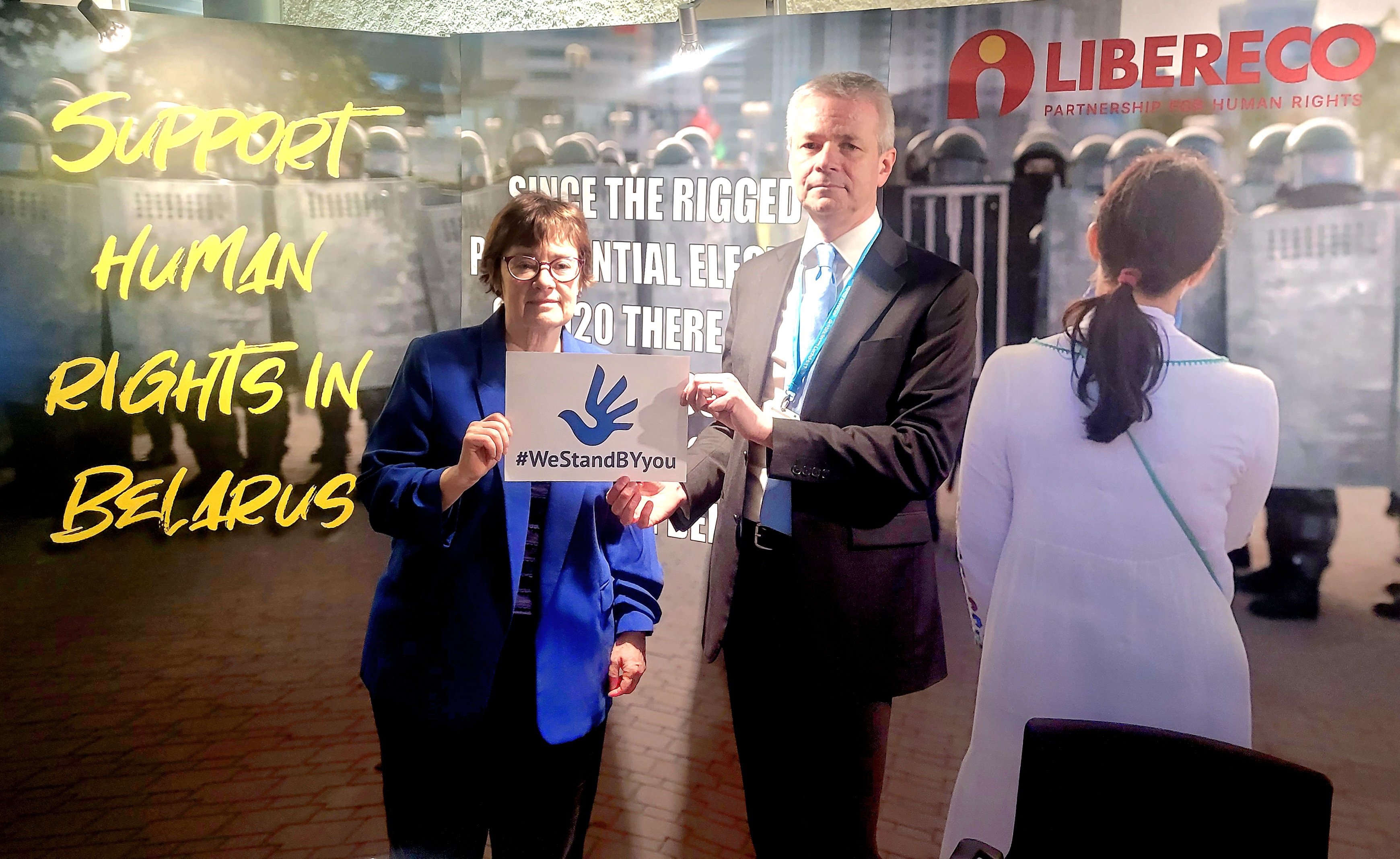
The website Charter97.org spoke with one of the organizers of the protest, Ken MacBain, a representative of the Libereco Human Rights Organization:
— It's a good opportunity for us to use the game in order to educate a Scottish audience about the political and the human-rights situation in Belarus because Belarus is not top of the news in the UK or in Scotland very much. Also it is an opportunity to try to keep some pressure on UEFA because they continue to allow Belarus to play international football.
With support from parliamentarians and the Scottish government and other governments, we hope to use the game as a way of highlighting this and saying, "Really, this, this game shouldn't be happening."
— Belarusian national football team under the current government should not be allowed to play at the UEFA competitions?
— Yes, that is the position we are taking for two reasons. Firstly, if UEFA is being consistent in banning Russia, then it seems only consistent that Belarus has the same sanctions because Belarus was assisting the invasion of Ukraine. Also according to UEFA's own rules the levels of corruption and political interference in football in Belarus mean that UEFA can not be upholding its own principles if it continues to allow these teams to play.
I hope that if we get some interest from Scottish media in what we're doing, we will have the chance to talk about both of those aspects and why we think that Belarus should not continue to get free access and publicity from UEFA.
— Were there any the activities in that regard?
— In June the Green Party in Scotland put forward a parliamentary motion which has been signed by a number of MSPs calling on UEFA to ban Belarus.
The match is scheduled to take place on Sunday. A few days before that, we have a meeting in the Scottish Parliament where we are inviting MSPs to come and to sign a letter, which we will send to the committee who are responsible in UEFA and ask them to make a decision to suspend Belarus.
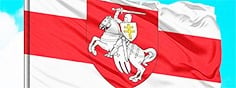
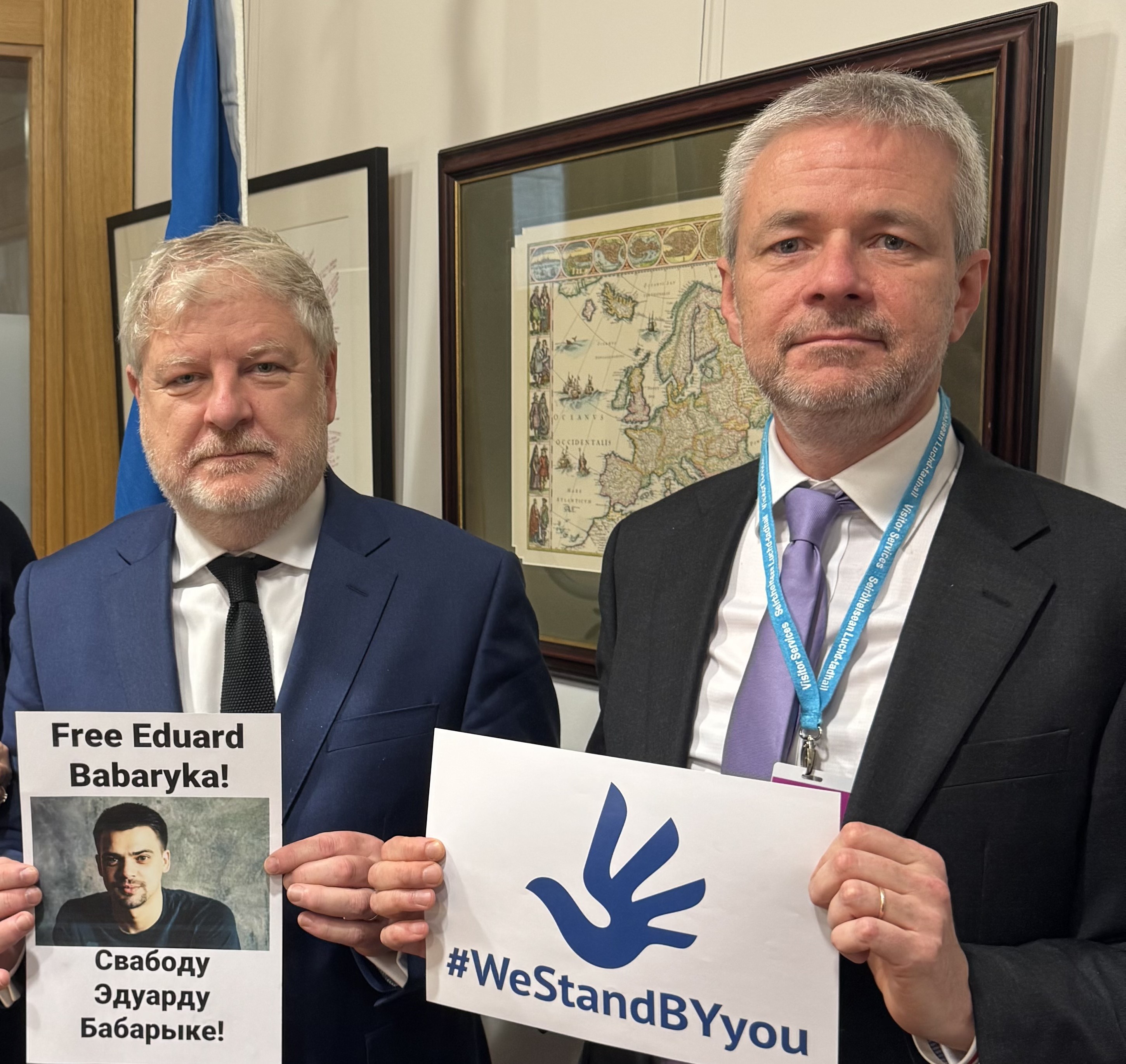
In that meeting in the parliament we will do some other things related to individual prisoners. In the Scottish Parliament we have 22 parliamentarians who are members of the LIBERECO God Parent campaign. It is a good opportunity to get folk together and also to educate the parliamentarians. I'm sure some of them will have questions about the recent prisoner releases. So we're doing that a few days beforehand and on Sunday the 12th we will protest outside Hampden stadium and hopefully catch the Belarus team bus as they arrive. We will have our flags and posters calling for the release of political prisoners.
— How do Scottish people perceive the events in Belarus? Are they aware?
— I think that there is not a lot of awareness. When we started doing protests in 2020, we did them at a time when huge protests in August and September and October were in the UK news, but we still had people coming and asking us — we stood on the streets — "Where is Belarus? What's going on? Why are you protesting?" Unfortunately, Belarus' profile was raised again by being involved in the full-scale invasion of Ukraine. Maybe those two things are all a lot of Scottish people are aware of Belarus. So, us having the opportunity to use an event like this to talk about the impact on so many people who've left the country, political prisoners who are still in the country is important. When we talk to Scottish people who don't have much context, they understand and they're sympathetic and mostly supportive of actions.
I have to say that the fact that we have a fifth of the parliamentarians in the Scottish Parliament have signed up to support individual political prisoners shows some understanding of the issue and some desire to help.
— I was wondering, perhaps percentage wise, Scottish Parliament could be the leader in supporting the Belarusian political prisoners?
— 22 parliamentarians out of 126 are God Parents of Belarusian political prisoners. We had an exhibition in the Scottish Parliament in March, where for several days we were in the heart of the Parliament. We had a large display and were talking about the political prisoners. In those three days, I think, a third of the Scottish parliamentarians who passed, stopped, took time to ask what this was about and were genuinely interested in what was going on in Belarus and were able to compare it with some of the previous political situation and campaigning for human rights.
So, I'm pleased that in Scotland the parliament has been so open, the Scottish government has been very active in supporting the Belarusian diaspora and Belarusian people's desire for freedom.
— You mentioned that in Scotland activities in support of Belarus take place since 2020?
— Yes, in August-September 2020 different people at different times started things (now we coordinate and work together): we did weekend protests around Scotland every weekend from September 2020 through to New Year. We started because our friends were on the streets in Belarus, and we kept going because our friends could not be on the streets anymore —it wasn't safe as the year 2020 progressed. But we've felt it important that someone is still continuing. Now our activities have changed from those street protests and campaigns to much more involvement with parliaments, support from parliamentarians and using different activities like sports or art in order to engage different people from different audiences and make them aware of what's happening in Belarus.
— Lukashenka regime is responsible for terrible crimes: participation in unprovoked full-scale Russian aggression against Ukraine, displacement of the Ukrainian children and re-educating them. To what extent these terrible crimes push aside out of the public view the topic of Belarusian political prisoners?
— I have to say the UK media very quickly picks up on stories. Within hours of the recent releases of the political prisoners being announced, BBC, the Guardian, other significant media outlets will report. But that's maybe for the day and then — there is nothing more. But I can not fault the UK media and their reporters who are covering Eastern Europe.I think that partly in that this is a picture of what Trump is doing, this is what is happening in the war…
— What is your personal take with regard to the release of the 51 political prisoners? The question is that 51 are released, but there are many more who remain behind bars.
— It is very difficult. It is obviously a very good thing for the people, although the fact they're being deported makes it really bittersweet for the prisoners themselves and for the families who they will have no more chance to see. The risk is that there is not the kind of systemic change in Belarus that we all really think is necessary.
It would be a shame if there was so much relaxation that it was all about getting these particular prisoners released, but the oppression continued and Lukashenka stays in post — it is not easy. We, UK activists, have discussed this with representatives of the Belarusian diaspora and struggled to come up with a consistent single approach.
Across the Belarusian activists, there are many different positions and views on how to get the prisoners released, what to demand, so there's a real tension with a very personal happiness at people being out of prison but at the same time, a frustration that the more systemic change is not happening.
— What is your message for our readers inside Belarus?
— I think that Scotland is maybe just one small example where what is happening in Belarus is not forgotten, and that there are people from parliamentarians and governments across Europe who do know what is happening in Belarus and who care about it too. Football fans, the Tartan Army team understands the situation and want to help in their way by playing a football game, and the journalists who are interested. So, there is support from across Europe and I see what is happening just in Scotland. There are people in the arts, in sport, in parliaments who do care and are aware and do what they can in order to highlight what is happening in Belarus and to support our cause for freedom.
It is not accidental in some ways in me doing this stuff in Scotland that we have a small European country. Many people who want greater freedom and want independence in Scotland connect with Belarus, a small European country that, that also wants freedom and democracy, and it may be that those links and that desire help some Scots go, "Yes, if, if this is what we want, then the situation in Belarus is far, far worse, and, and we will support our European friends in their desire for democracy."

Bank's name: Bank Millennium S.A.
Address: ul. Stanislawa Zaryna, 2A, 02-593, Warszawa
IBAN: PL97116022020000000216711123
SWIFT: BIGBPLPW
Name of the account holder: Fundacja “KARTA ‘97”
Purpose/title of payment: Donation for statuary aims
You can contact us by the e-mail [email protected]