


Exports Of Russian Oil Products Fell To Their Lowest Level Since The Start Of The War
1- 15.10.2025, 20:20
- 2,656
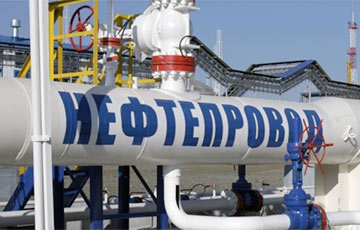
Exports collapsed by AFU attacks on refineries.
Continued Ukrainian drone raids on Russian energy facilities, including refineries and export terminals, since August have begun to have a noticeable impact on the volume of oil product exports. In the first 10 days of October, it fell to its lowest level since at least early 2022, Bloomberg reported, citing ship-tracking data.
Average daily exports for the period totaled 1.88 million barrels, according to Vortexa. Cumulative refining volumes remain below 5 million bpd due to Ukrainian strikes hitting more than 20 major refineries; a minimum since the spring of 2022, Bloomberg notes. An additional negative factor was seasonal maintenance work at refineries.
Because of the shortage of gasoline in the domestic market (57 regions are in some degree of shortage), its export from the country is now prohibited. In 2022, for example, at this time of year, the cumulative export of petroleum products amounted to 2.3 million barrels per day. In addition, Ukrainian strikes in September damaged the terminal in Ust-Luga, through which 60% of naphtha exports - the main raw material for petrochemical enterprises - pass. Because of this, naphtha exports plummeted by 43% compared to September.
It amounted to 198,000 barrels per day in October - the minimum since at least January 2022.
Average daily exports of diesel and gasoil increased by 13% compared to September, and fuel oil - decreased by 8%.
Oil companies will feel the consequences of the Ukrainian strikes for almost a year, which have affected every third refinery in the country since the beginning of August, according to experts of the International Energy Agency. Refining will not be able to resume at previous volumes until June 2026, their report said yesterday.
This forecast, of course, does not include possible future damage that the Russian oil industry could suffer if the successful AFU strikes continue. So far, after the Ukrainian UAV raids, refining has dropped by about 10%, according to the agency's estimates.
In the case of naphtha, an additional problem for Russian suppliers may be created by Taiwan, which this year has been, together with India, its largest buyer and has recently even moved into first place. In the first half of the year, Taiwan increased imports sixfold compared to 2022, buying 1.9 million tons worth $1.3 billion, according to calculations by the Center for Energy and Clean Air Studies.
But Taiwanese companies will stop buying Russian naphtha if the European Union asks them to, the island's economy minister said the other day.

Bank's name: Bank Millennium S.A.
Address: ul. Stanislawa Zaryna, 2A, 02-593, Warszawa
IBAN: PL97116022020000000216711123
SWIFT: BIGBPLPW
Name of the account holder: Fundacja “KARTA ‘97”
Purpose/title of payment: Donation for statuary aims
You can contact us by the e-mail [email protected]