

Foreign Business Is Fleeing Cuba
2- 7.06.2026, 19:10
- 3,560
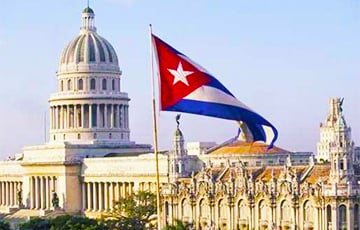
Economists speak of a "tipping point."
International companies are rapidly winding down their operations in Cuba amid tougher U.S. sanctions and the virtual stoppage of Visa and Mastercard card transactions. Since June 6, the Cuban Central Bank said, foreign cards of these systems are no longer serviced: a key foreign partner bank that provided the island's connection to the global payment infrastructure has terminated its contract with Cuba's FINCIMEX SA. The decision followed a decree by U.S. President Donald Trump extending sanctions against military conglomerate GAESA, which controls a large part of the country's economy. Washington set a deadline of June 5 for all international counterparties to stop dealing with GAESA and FINCIMEX under threat of losing access to the US financial system. The banks chose to withdraw from the deal, after which Cuba lost its technical ability to process transactions and officially stopped accepting cards from foreign banks.
As The Wall Street Journal writes, major hotel operators, in particular, are reducing their presence on the island. Spain's Iberostar and Meliá are ceasing management of dozens of properties: Meliá is closing 15 hotels, Iberostar - 12, explaining the decision by energy problems, lower demand and changes in the international regulatory environment. Canada's Royalton Hotels & Resorts stopped operations completely, citing a drop in tourist traffic. The departure of Canada's Sherritt International, which has been mining nickel and cobalt in eastern Cuba for more than three decades, was also a significant blow: the company suspended operations and withdrew staff, fearing secondary sanctions because of ties to GAESA.
Cuban economist Ricardo Torres of the American University in Washington, D.C., in a commentary for The Wall Street Journal called what is happening "a tipping point" and "a serious blow to an already weakened economy." The situation is exacerbated by the fuel crisis: a number of major airlines have already canceled flights to the island due to a shortage of jet fuel.
U.S. pressure continues to mount. In May, Donald Trump signed an executive order against GAESA, and on June 4 imposed sanctions on Cuban President Miguel Diaz-Canel, his family members, and several organizations. Secretary of State Marco Rubio warned that any companies providing services to the sanctioned individuals and entities risked falling under the restrictions themselves.

Bank's name: Bank Millennium S.A.
Address: ul. Stanislawa Zaryna, 2A, 02-593, Warszawa
IBAN: PL97116022020000000216711123
SWIFT: BIGBPLPW
Name of the account holder: Fundacja “KARTA ‘97”
Purpose/title of payment: Donation for statuary aims
You can contact us by the e-mail [email protected]