

U.S. Can't Appoint An Ambassador To Russia
8- 5.04.2026, 8:52
- 7,010
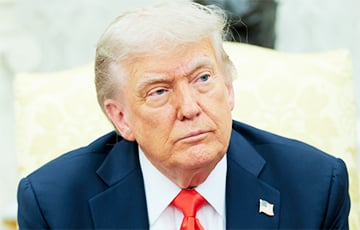
Steve Whitkoff bypassed State Department protocols.
Washington is still undecided on the appointment of a US ambassador to Russia, and the vacancy has been vacant since June 2025, complicating direct dialog with Moscow.
The Daily Mail reports.
Long vacancy for key post
The post of US ambassador to Russia has been vacant since June 2025. The absence of an official representative turns diplomatic appointments into a process similar to an intriguing TV show, with a battle of ambitions and influence among the candidates.
According to insiders, the main chance remains with the US president's special envoy Steve Whitkoff, who, according to sources, may stay in his current position.
The problem is not in personnel, but in approach
According to the informants, the difficulty of the appointment lies not in the lack of experienced diplomats, but in the need for them to agree with Whitkoff's vision of a channel of communication with Moscow.
The absence of an ambassador creates a serious gap in diplomatic engagement and makes it more difficult to de-escalate the conflict.
"Without an appointed ambassador, the U.S. has no direct high-level channel of communication with Moscow to de-escalate and resolve the conflict. Since the invasion, Congress has approved aid totaling more than $170 billion," the sources stressed.
Whitkoff's influence is growing
Whitkoff himself, acting as special envoy, has managed to bypass many of the State Department's protocol norms and has become the chief mediator between Washington and the Kremlin, including working with Jared Kushner.
According to media reports, he has already held eight meetings with Russian leader Vladimir Putin. Former diplomats note that virtually no one in Moscow acts without his consent, making a formal ambassador potentially redundant.
Concentration of Power and Risks
Sources say Whitkoff is happy with the current situation and has even voiced concerns that appointing an experienced ambassador could weaken his direct influence over the Kremlin.
This concentration of power, experts say, is typical of President Trump's team and could continue as long as the vacancy remains open.

Bank's name: Bank Millennium S.A.
Address: ul. Stanislawa Zaryna, 2A, 02-593, Warszawa
IBAN: PL97116022020000000216711123
SWIFT: BIGBPLPW
Name of the account holder: Fundacja “KARTA ‘97”
Purpose/title of payment: Donation for statuary aims
You can contact us by the e-mail [email protected]