

Atlantic Council: Orban's Defeat Was A Shock For The Kremlin And A Victory For Ukraine
- 14.04.2026, 11:37
- 2,488
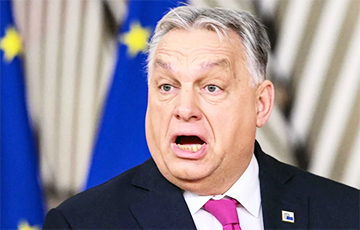
The change of power in Budapest opens a new window of opportunity for Kiev.
Prime Minister Viktor Orban's sixteen-year rule has come to an end after his Fidesz party was defeated in parliamentary elections. The victory was won by the opposition Tisa party, led by Peter Magyar, who is forming a new government in Budapest.
As Atlantic Council, the election result could significantly alter the balance of power in Europe, as Hungary under Orban has often blocked EU decisions to support Ukraine and has taken a skeptical stance on sanctions against Russia.
Cautious optimism in Kiev
In Kiev, the change of power in Budapest was welcomed. Foreign Minister Andrej Sibiga said Ukraine was ready for a "new chapter in relations" and the development of mutually beneficial cooperation.
At the same time, new Prime Minister Magyar has already signaled a change of course: he said he would not block a $105 billion EU loan to Ukraine, which Orban had previously stopped.
Fewer blockades, but not full support
Despite the positive signals, experts caution against excessive optimism. Madjar has previously spoken out against arms supplies to Ukraine and does not support accelerated EU accession.
Ukrainian analysts recognize that Orban has often been a "convenient scapegoat" for broader European divisions, but his departure still reduces the level of automatic resistance to Kiev in the EU.
Loss for the Kremlin
Orban's defeat was a major blow to Moscow. For years, he has blocked initiatives to tighten sanctions and opposed military support for Ukraine, effectively helping Vladimir Putin advance his interests in the EU.
Leaks say Hungarian officials have even discussed confidential EU documents with the Russian side, underscoring the depth of contacts between Budapest and Moscow.
Analysts say Orban's departure reduces Russia's ability to influence EU decisions from within. Europe may become more consolidated in its support for Ukraine, although Hungary is unlikely to become an active supporter.

Bank's name: Bank Millennium S.A.
Address: ul. Stanislawa Zaryna, 2A, 02-593, Warszawa
IBAN: PL97116022020000000216711123
SWIFT: BIGBPLPW
Name of the account holder: Fundacja “KARTA ‘97”
Purpose/title of payment: Donation for statuary aims
You can contact us by the e-mail [email protected]