
Parliamentary Elections In Hungary: What You Need To Know About Them
2- 12.04.2026, 8:51
- 2,550
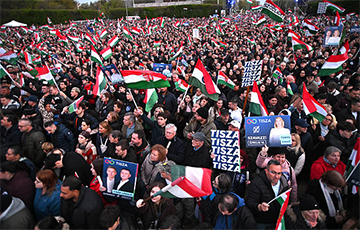
The vote is of historic significance for the whole of Europe.
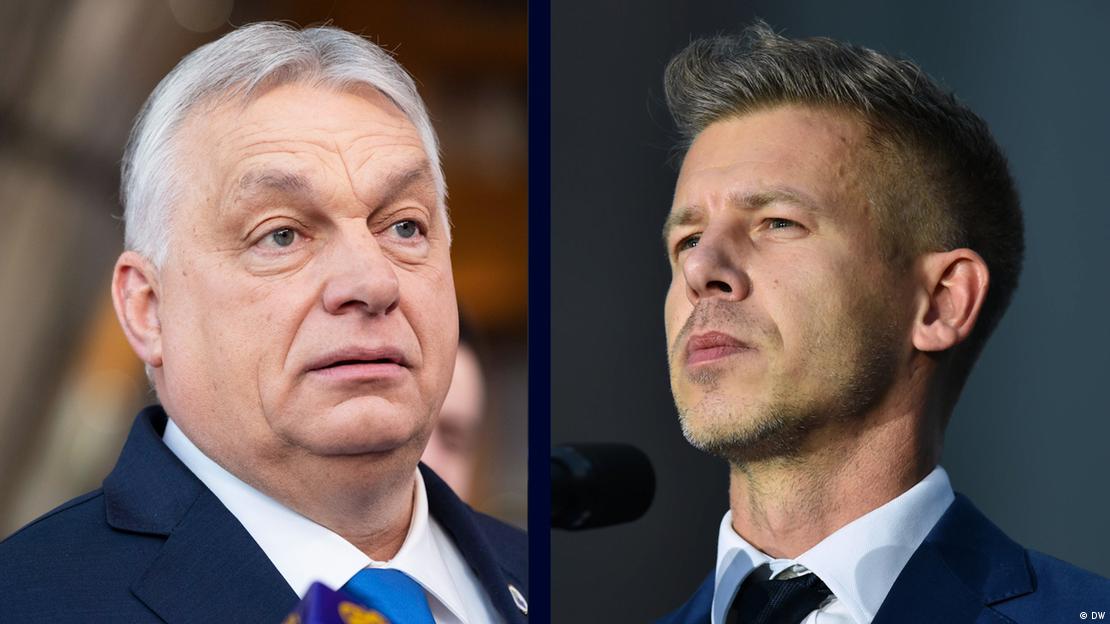
Hungary's most important parliamentary elections since the Hungarian Communists voluntarily relinquished power in 1989-90 began on April 12. The question is whether the results of the upcoming elections will succeed in removing Prime Minister Viktor Orbán from power and changing his regime. For the first time since 2010, there is a real possibility of victory in Hungary for the opposition - the conservative Tisza party of Peter Magyar, Orbán's rival.
The current parliamentary elections are seen as a significant moment in Hungary's modern history. At the same time, it is one of the most important elections for Europe in recent years. They could determine the future of the European Union and Russia's influence on Europe, as well as the fate of right-wing populists and the far right on the European continent, writes Deutsche Welle.
Is Orban a dictator?
Starting in the mid-1990s, Viktor Orbán transformed his Fidesz party (formerly known as the Alliance of Young Democrats and now the Hungarian Civic Union) into a tightly organized chieftaincy party where nothing happens against his will and where loyalty to him is a basic principle. Since Fidesz came to power in 2010, a similar development has taken place in public administration.
Orbán now determines even the smallest details of government decisions. Whether it's renovating buildings, raising pensions or geopolitics, Orbán usually speaks in the first person when it comes to government activities: "I pass a law," "I raise pensions," "I conclude an agreement with the president." Although Orbán does not fit all the classic characteristics of a dictator - Hungary remains formally a parliamentary democracy with free elections - he is certainly an autocrat.
How has Hungary changed during Orbán's rule?"
After his first election victory with a two-thirds majority in the spring of 2010, Orbán proclaimed an "Order of National Cooperation. He orchestrated a change of elites in the state, administrative and judicial apparatus, giving key positions to those loyal to him. Hungary became an ultra-centralized state.
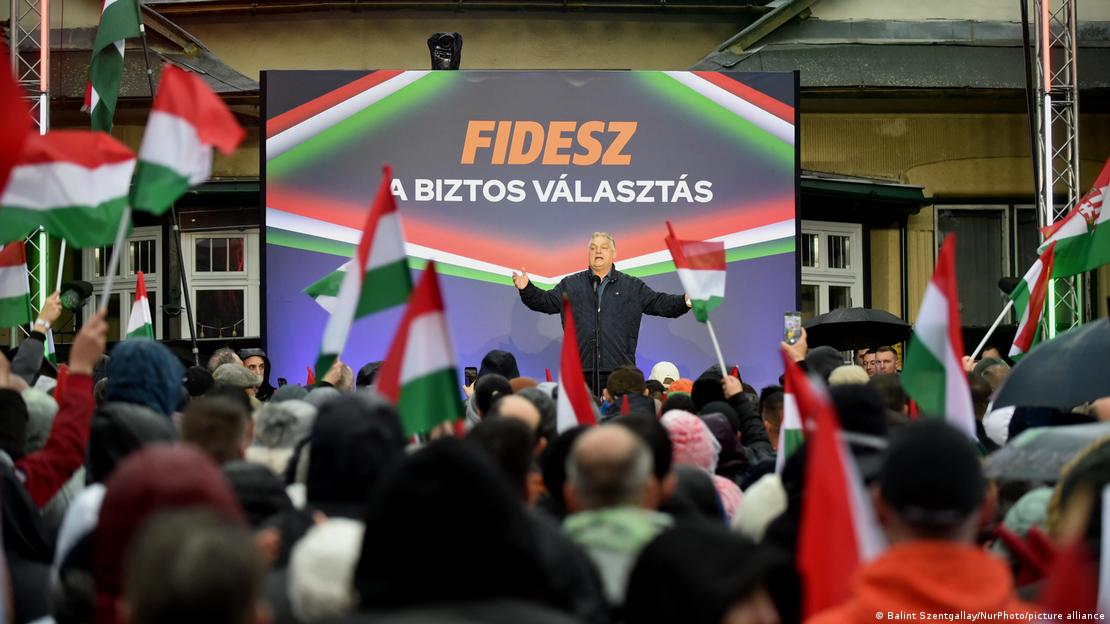
In general, Orban weakened the system of checks and balances. Most of the print and audiovisual media were brought under state control - directly or indirectly through Fidesz-linked companies and foundations. University autonomy was abolished, and a large part of state and public assets were placed under the control of foundations close to Orbán. Experts describe Hungary under Orban as a "hybrid system" between democracy and dictatorship.
Why do many Hungarians want a change in power?"
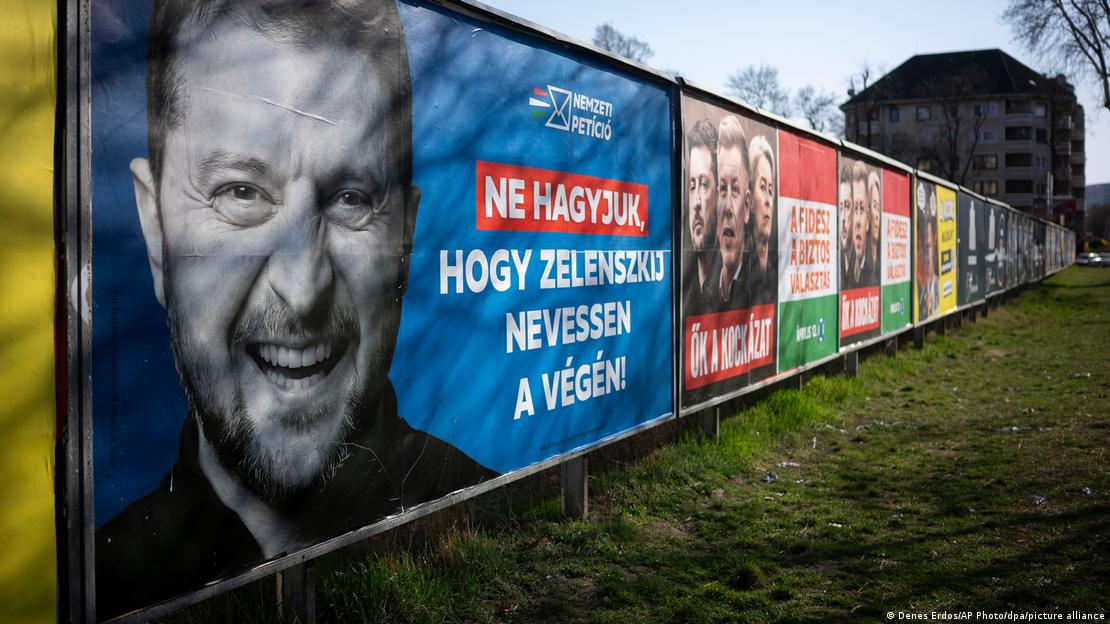
Viktor Orban's economic and fiscal policies favor his upper-class entourage and middle-class supporters. However, the financial situation of many other Hungarians has deteriorated in recent years. This has been exacerbated by the poor state of public infrastructure, health care, and education, as well as widespread discontent with corruption and blatant cases of illicit enrichment. At the same time, many Hungarians are tired of the atmosphere created by Orban, such as his absurd portrayal of Ukraine as evil or his constant vilification of all critics as enemies and traitors.
Why is this election so important for Europe?"
Orban's stated goal is to "conquer Brussels" and turn the EU into a union of politically sovereign nation-states with common economic interests. For years, Hungary's prime minister has criticized the EU, rendering it ineffective with his vetoes and refusal to support key decisions in European and foreign policy. An Orban victory would further weaken the EU, while a change of power in Budapest would strengthen it.
Why are these elections important for populists?"
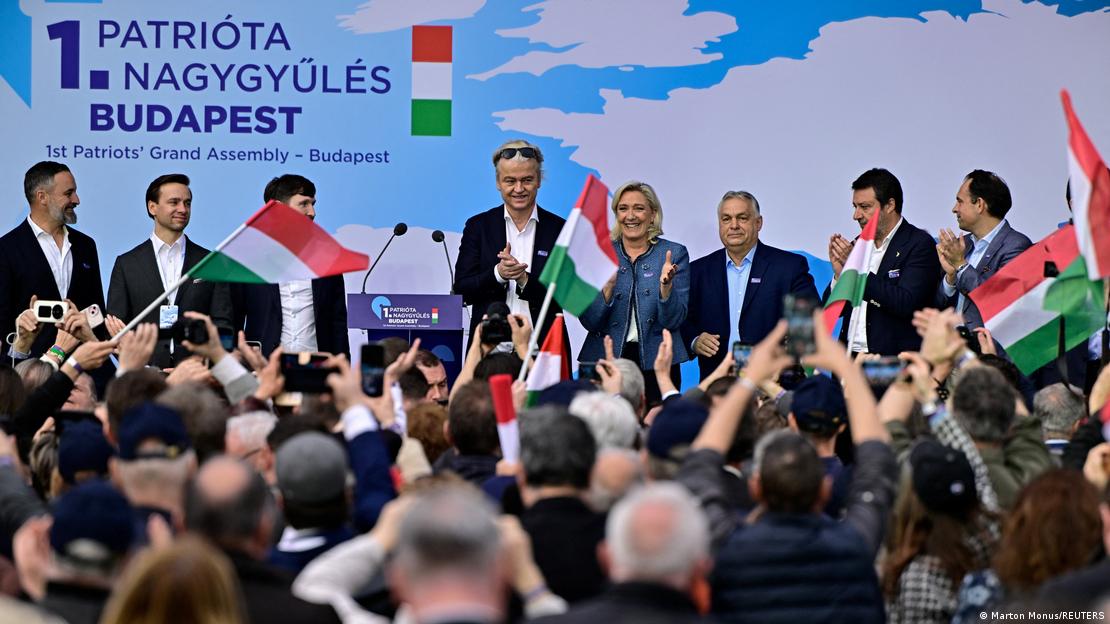
Orban is a model of success among right-wing populists and right-wing extremists in Europe, and he is also their most important organizer. No other far-right politician has ever won a two-thirds majority and ruled for as long as the Hungarian Orban. And no one else has done so much to successfully unite this camp in Europe. So the outcome of the election is also a decision about the future of right-wing populism in Europe.
Why is the election so important for Russia?"
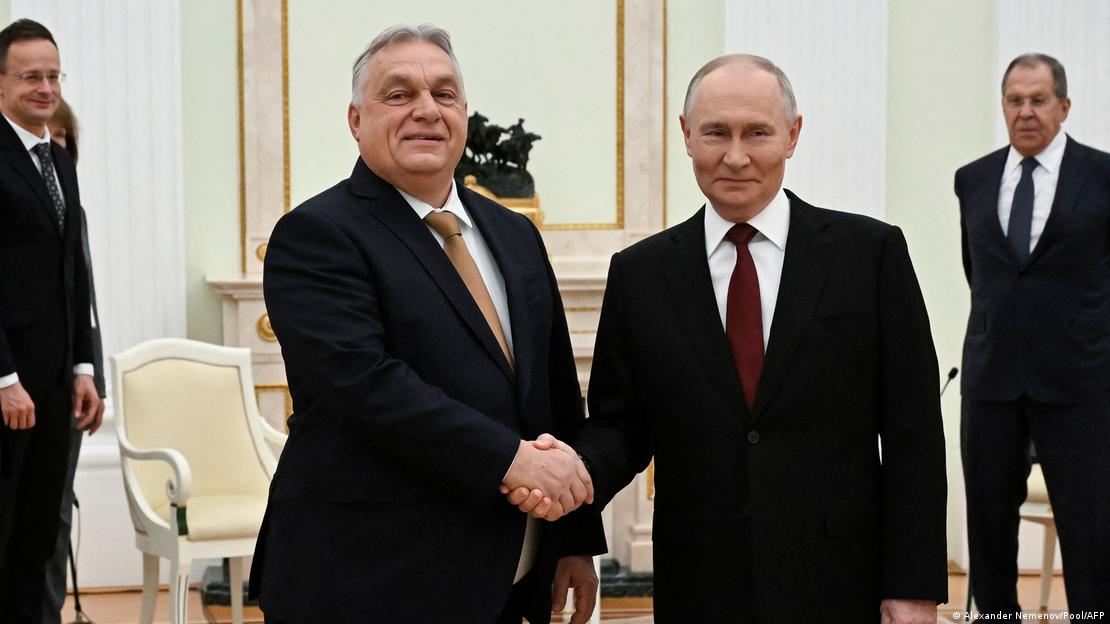
No other EU country is as closely tied to Russia as Hungary under Orban. While Orban has agreed to most EU sanctions against Russia since 2014, he has repeatedly advocated lifting them, sought exemptions, and blocked support for Ukraine as far as possible from 2022. In doing so, he is weakening and dividing the EU - a stated common goal of Orban and Russia. For Russia, Orban's defeat would be a serious loss.
Could the election affect Orban's regime change?"
After the 2010 elections, the Fidesz party introduced sweeping electoral reforms with an increased emphasis on majoritarianism, which still gives it a significant advantage. Of the 199 members of parliament, 106 are directly elected by constituencies with a simple majority. Constituencies loyal to Fidesz tend to be smaller, meaning fewer votes are required to elect a representative. In the last election in 2022, Orbán's party received about 53 percent of the vote but won in far more districts, securing nearly 68 percent of parliamentary seats - an absolute majority.
Ethnic Hungarians from Hungary's neighboring countries with Hungarian citizenship can vote on party lists and participate in elections by mail. Hungarian migrant workers in Western European countries, who are more critical of Orban, can vote only at embassies and a few consulates, not by mail. Hungarian election experts criticize the electoral system as unfair. A change of government is therefore much more difficult, but still possible.
Can the Orban regime rig elections?
In Hungary, election experts suggest that there will be no vote fraud because the opposition Tisza party is organizing a parallel count. However, there is the possibility of fraudulent ballots mailed in by members of the Hungarian minority in neighboring countries. Their votes could secure Orbán one or two seats in parliament. The widespread practice of vote-buying in Hungary's poorer regions is also currently the subject of intense debate following the release of a documentary on the subject.
What do opinion polls say?
Hungarian expats are convinced that an absolute majority of voters in Hungary want a change of government. For more than a year, independent sociological institutes have been predicting at times a significant lead for Orbán's Tisza party over Orbán's Fidesz party. However, these figures only partially reflect the chances of individual candidates in each constituency. In addition, Fidesz's electoral base - mainly older people and pensioners in small towns and villages - is not fully represented in these polls. Therefore, the results of the polls may be flawed. However, most pollsters expect Orban to lose the election.
What will Peter Magyar do in case of a change of power?
The most important plans and goals of Péter Magyar and his Tisza party are to distance Hungary from Russia and return it as a reliable ally of the EU and NATO. However, this will not come without limitations. In migration and Ukraine policy, Magyar intends, partially or fully, to continue the existing Hungarian line, but without an all-out confrontation within the EU.
In domestic politics, Magyar announces a tough fight against corruption and "systemic changes." This includes, among other things, a fairer electoral system, limiting the prime minister's term to two election cycles and a new constitution. Orban and other senior politicians in his inner circle should expect charges of corruption and treason.
Will Orban accept electoral defeat?"
Orban has not yet given a direct answer to this question. He has only stated that he has sometimes won elections, sometimes lost, and that Hungary is a democratic state.
Possible post-election protests?
If Orban declares victory, mass demonstrations and violent clashes are quite possible, as anger and hatred towards Orban's regime is now widespread. If Orban is defeated, whether his supporters will take to the streets will depend on his stance and statements.
Can Orban's system even be dismantled?"
Orban has taken many precautions to avoid losing power. Many changes to his system require a two-thirds majority vote, and many key positions remain occupied for years. Orban's "deep state" could therefore easily sabotage a government run with only a simple majority. But even with a two-thirds majority, it could take years for the Tisa party to completely transform Orbán's system.

Bank's name: Bank Millennium S.A.
Address: ul. Stanislawa Zaryna, 2A, 02-593, Warszawa
IBAN: PL97116022020000000216711123
SWIFT: BIGBPLPW
Name of the account holder: Fundacja “KARTA ‘97”
Purpose/title of payment: Donation for statuary aims
You can contact us by the e-mail [email protected]