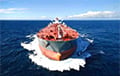


In Some Parts Of The World, Prices For Near-term Oil Supplies Have Reached $150 Per Barrel
2- 19.03.2026, 14:39
- 1,006
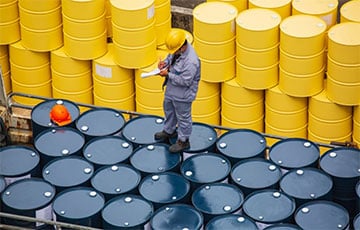
Because of the physical scarcity of raw materials.
The price of the most traded Brent crude futures, with delivery in May, jumped to $114 a barrel on Thursday because of the escalation in the Middle East. But batches of oil with physical delivery in short order, from countries that continue to export, are already selling for much more, the Financial Times wrote.
On Tuesday, a barrel in Oman, whose ports sit beyond the blocked Strait of Hormuz and have open ocean access, was selling for nearly $154, according to Argus Media.
Financial and physical supply markets have diverged, said Ole Hansen, director of commodities strategy at Saxo Bank. North Sea Brent and U.S. WTI futures are set for delivery in May, when traders hope the shipping situation in the Strait of Hormuz will improve. But prices for the batches that need to be delivered now are "rising because of the physical scarcity of crude", says David Fyfe, chief economist at Argus Media.
Premiums for grades that are similar to Middle Eastern grades are at record highs, the FT notes. Among them are some grades produced in Norway, Algeria, Libya and Kazakhstan, for which buyers are paying from $5 to almost $15 a barrel more than Brent.
The price of Brent soared to almost $119 a barrel after the war in Iran began, then fell below $100 and held near that mark for some time. In recent days, as the conflict escalated, it rose little by little. And on Thursday it jumped more than 10% to over $118 before falling back to $114 per barrel.
The Brent and WTI quotes also reflect the fact that these are light, low-sulfur grades, while Middle Eastern crude purchased by Asian refineries is heavier and has a higher sulfur content. It is impossible to replace the latter in sufficient volumes, said Ivan Matthews, head of Asia-Pacific analysis at Vortexa.
The world is experiencing "the most severe oil supply disruption since the 1970s, and Brent is barely above $100," Hansen noted. A more accurate reflection of the crisis may be fuel prices, Bloomberg notes: the benchmark North Sea diesel contract is already worth more than $180 a barrel, the highest in nearly four years.
Arne Lohmann Rasmussen, chief analyst at Global Risk Management, told the agency:
"It's clear that the war has entered a phase where energy infrastructure is being targeted directly. This marks a new phase of escalation and points to a further rise in energy prices in the coming days."

Bank's name: Bank Millennium S.A.
Address: ul. Stanislawa Zaryna, 2A, 02-593, Warszawa
IBAN: PL97116022020000000216711123
SWIFT: BIGBPLPW
Name of the account holder: Fundacja “KARTA ‘97”
Purpose/title of payment: Donation for statuary aims
You can contact us by the e-mail [email protected]