

India Has Sent Warships To Protect Its Tankers In The Strait Of Hormuz
- 18.03.2026, 23:38

New Delhi has already ensured safe transit of two state-owned tankers.
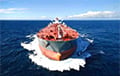
India has sent "more than half a dozen" warships to the Strait of Hormuz region to escort its tankers amid the escalating situation in the region. This was reported by Bloomberg citing knowledgeable sources. The ships will be stationed east of the strait and will not enter the waterway itself, escorting ships to safe waters in the northern Arabian Sea. The operation is part of the Sankalp mission launched in 2019 to ensure the safety of merchant shipping and protect India's maritime interests in the Persian Gulf.
In recent days, India has already secured the safe transit of two state-owned liquefied natural gas tankers and is in talks with Iran for the passage of more fuel ships, the agency wrote. According to government officials, 22 Indian-flagged vessels, including six gas carriers and four oil tankers, are stranded in the Persian Gulf. Prime Minister Narendra Modi last week discussed the situation in the region with Iranian President Masoud Pezeshkian, including ways to ensure the smooth passage of ships.
At the same time, as Bloomberg emphasizes, New Delhi has not directly responded to US President Donald Trump's call for other countries to send warships to the strait. Indian Foreign Ministry spokesman Randhir Jaiswal said the issue "has not been discussed with the US in a bilateral format."
The Strait of Hormuz has been effectively closed since late February, when the US and Israel launched a military operation against Iran. About 20 percent of the world's oil supply passes through the strait, and its blockage has already led to severe gas shortages in India, which receives about 90 percent of its liquefied natural gas imports from the Middle East.
Trump had days earlier urged European and other countries to join the military effort to unblock the strait, but a number of allies, including France and Germany, refused. In response, the U.S. leader called the decision a "very stupid mistake" and said that further U.S. membership in NATO should be "thought about."

Bank's name: Bank Millennium S.A.
Address: ul. Stanislawa Zaryna, 2A, 02-593, Warszawa
IBAN: PL97116022020000000216711123
SWIFT: BIGBPLPW
Name of the account holder: Fundacja “KARTA ‘97”
Purpose/title of payment: Donation for statuary aims
You can contact us by the e-mail [email protected]