
The U.S. Has Deployed The Largest Force To The Middle East Since The Invasion Of Iraq
2- 19.02.2026, 19:20
- 1,376
A strike on Iran could come in the coming days.
Iran may misjudge U.S. intentions and find itself unprepared for Washington's large-scale military operation. Tehran, like Vladimir Putin in the case of Ukraine, is counting on lengthy negotiations, as "institutional inertia" persists there, according to experts. However, US President Donald Trump has no intention of waiting, and may strike first, including at the Iranian leadership, and then already negotiate with the survivors
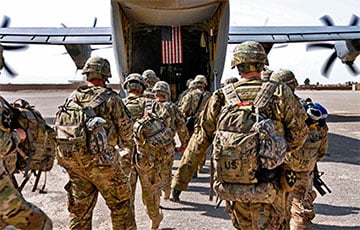
The US is forming the largest air force in the Middle East since the 2003 invasion of Iraq, The Wall Street Journal reported, citing flight tracking data and US officials. They said it would give the US the ability to wage an air war against Iran for weeks - as opposed to a single strike in June 2025 against three nuclear sites.
Trump has made it clear that he prefers to reach an agreement that would ideally lead to the elimination of Iran's nuclear program, the dissolution of regional groups it supports and the dismantling of its ballistic missile program (the latter is particularly insisted upon by Israeli Prime Minister Benjamin Netanyahu). The latter point is particularly unacceptable to Iran, since these missiles serve as its primary deterrent. But the delegation led by National Security Council Secretary Ali Larijani in talks with the United States continues to discuss mainly the nuclear issue - as if Iran's position in the region remains as strong as it was even a couple of years ago, Ali Hashem, a research fellow at the Center for Islamic and West Asian Studies at the University of London, points out in Foreign Policy.
Hashem notes in "Iran dangerously underestimates the gravity of its situation":
Iranian officials don't seem to believe that Trump is ready for a conflict that could paralyze the region through a prolonged exchange of missile strikes.
But this is a far cry from 2015, when all the stars aligned for Tehran to reach an agreement on its nuclear program, Larijani points out. Since then, Tehran has been defeated several times, acting the same way in negotiations with the West - delaying them in the hope of strengthening its negotiating position, the expert notes.

Bank's name: Bank Millennium S.A.
Address: ul. Stanislawa Zaryna, 2A, 02-593, Warszawa
IBAN: PL97116022020000000216711123
SWIFT: BIGBPLPW
Name of the account holder: Fundacja “KARTA ‘97”
Purpose/title of payment: Donation for statuary aims
You can contact us by the e-mail [email protected]