


Cuba Has 2-3 Weeks Worth Of Oil Left
1- 29.01.2026, 15:50
- 2,722
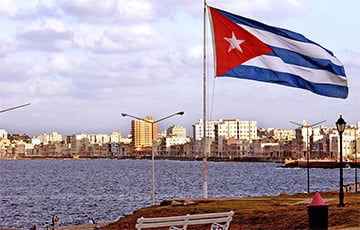
Because of Trump's blockade.
The U.S. blockade of Venezuela and Washington's pressure on Mexico have deprived Cuba of two stable sources of oil and fuel oil, which it uses to generate electricity. At current levels of demand and its own small oil production, Cuba will not have enough for long, the Financial Times wrote, citing Kpler data. The island's economy is already teetering on the brink of collapse, and without new supplies, the crisis will be so severe "that it could jeopardize the very existence of the Cuban regime," Nicholas Watson of consulting firm Teneo told the newspaper.
Cuba has received just 84,900 barrels from a single Mexican shipment this year, according to Kpler data. In terms of average daily imports, that's just 3,000 barrels, while Cuba received more than 12 times that amount - 37,000 barrels - from all suppliers in 2025. If the January cargo is added to the roughly 460,000 barrels in Cuban oil storage at the start of the year, the country could last another 15 to 20 days, said Victoria Grabenwoeger, a crude analyst at Kpler.
Cuba is also running out of fuel oil, whose only supplier until mid-2025 was Venezuela. The last cargo of fuel oil arrived on the island in November.
On Jan. 11, two days after the last shipment from Mexico and a week after the capture of Venezuelan leader Nicolas Maduro, Donald Trump said Cuba would get no more oil. Cuban security officials have long guarded Maduro, several dozen of whom were killed during a raid by U.S. special forces in Caracas.
This week, Trump said the Cuban regime is "very close to collapse." Unless new oil shipments arrive in the coming weeks, Cuba faces a "serious crisis," said Jorge Piñon, an oil expert at the University of Texas.
Even without the oil embargo, Cuba is experiencing its worst and longest economic crisis since the communists seized power in 1959. Havana-based demographer Carlos Albisu-Campos estimates that about a quarter of the population, or more than 2.7 million people, have left the country since 2020.
Cuba used to receive about 40% of its oil purchases from Venezuela, and at low prices. The situation escalated late last year when Trump organized a naval blockade of Venezuela and US ships began hunting for tankers carrying its oil. One of the tankers seized by the Americans was carrying more than 1 million barrels to Cuba.
Mexico was Cuba's biggest supplier last year. But the US is demanding it stop selling oil to Havana, and Mexico City is in a difficult position, with Trump threatening near-armed action against drug cartels, and a free trade agreement between Mexico, the US and Canada due to be renegotiated this year.
Gonzalo Monroy, an energy consultant in Mexico City, says: "Cuba has relied heavily on Venezuela. If now all it has left is Mexico, and Mexico is under pressure from the U.S. and can't export anymore, Cuba is going to be in very, very big trouble."
Almost 90 percent of Cubans live in extreme poverty, with 70 percent unable to eat regularly at least once a day, the Social Rights Observatory think tank reported in a survey last summer.
More than 70% of Cubans cited food shortages and constant power cuts, which in some regions can last 18 or more hours a day, as the main problems.

Bank's name: Bank Millennium S.A.
Address: ul. Stanislawa Zaryna, 2A, 02-593, Warszawa
IBAN: PL97116022020000000216711123
SWIFT: BIGBPLPW
Name of the account holder: Fundacja “KARTA ‘97”
Purpose/title of payment: Donation for statuary aims
You can contact us by the e-mail [email protected]