
Buryatia Residents Began To Take Away Refrigerators For The Needs Of The Russian Army
29- 7.08.2025, 19:12
- 25,728
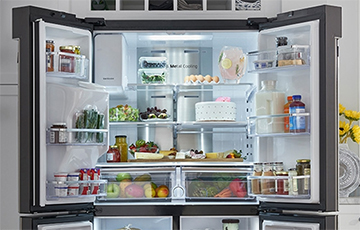
Motorcycles, clothes, wheelchairs, canes and even drinking water are also collected from local residents.
In the Zaigrayevsky district of Buryatia "volunteers" called on local residents to give their refrigerators for the needs of Russian field hospitals in the war in Ukraine. This is reported by the telegram channel "LB Potok". According to the district newspaper "Vperyod", several people responded to the call: they really handed over their household refrigerators for the needs of the army.
But the list is not limited to refrigerators. As "LB Potok" notes, volunteers in Zaigrayevsky district regularly ask for help: they collect motorcycles, clothes, wheelchairs, canes and even drinking water. The channel emphasizes that such basic needs should be provided by the state.
Similar practices are observed in other regions of Russia. For example, in the Irkutsk region, the authorities decided to take away bonuses from teachers, educators and employees of cultural institutions - the funds were allocated to provide for the needs of the military. "They said that there is not enough money for the SWO, there is no longer a safety cushion - everything has been spent. Since there is nothing to pay those who are fighting, they decided to take this, quite a lot of money," one of the teachers, who faced extortion, told the publication "People of Baikal".
In the Komi Republic, the authorities appealed to residents with a proposal to surrender fishing nets for the needs of the army. And in Bauman Moscow State Technical University, students were offered to weave camouflage nets in exchange for a physical education credit.
In the meantime, Russians tired of the war unleashed by Vladimir Putin, including those who previously actively supported the Russian invasion of Ukraine, have almost quadrupled their donations to the Russian army. At the same time, as "Wurstka" found out, not all humanitarian aid actually reaches the front line. One of the servicemen told the publication that many volunteers have turned helping the army into a business in the war. Often collections are made on the cards of individuals, and no one provides reports on the funds received and spent, "Vyrstka" explained.

Bank's name: Bank Millennium S.A.
Address: ul. Stanislawa Zaryna, 2A, 02-593, Warszawa
IBAN: PL97116022020000000216711123
SWIFT: BIGBPLPW
Name of the account holder: Fundacja “KARTA ‘97”
Purpose/title of payment: Donation for statuary aims
You can contact us by the e-mail [email protected]