
Who Is Eliminating Russia's Oil And Gas Elite And Why?
9- 5.07.2025, 8:47
- 14,996
Strange deaths of Russian top managers have become widespread.
Over the past three years that Russia's full-scale war against Ukraine has been going on, a series of mysterious deaths have been recorded among top managers of Russia's largest energy and industrial companies.
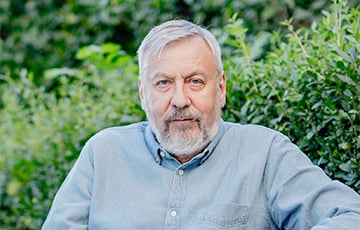
The latest in this disturbing list is Andrey Badalov - vice president of Transneft. Dialog.UA looked into the details.
Badalov said goodbye to his life yesterday, July 4. He fell out of the window of his home in Rublyovka and became the 15th high-ranking victim of their fuel and energy complex (FEC) of the Russian Federation in the last three years.
Analysis of the deaths reveals recurring and disturbing details. Many of them looked like staged suicides - hangings, falls from heights, "family dramas" involving firearms, and in one case, death during a voodoo ritual.
These cases can hardly be considered a coincidence, especially if we consider that most of the dead worked in the energy sector, had access to classified information or held influential positions.
It is noteworthy that several of the victims were from Lukoil, one of the few companies in Russia to officially oppose the war in Ukraine in 2022.
The Lukoil board of directors issued an open letter shortly after Russia's full-scale invasion of Ukraine, advocating "an early end to the conflict."
In a repressive regime, such a position looked risky. The dead include Ravil Maganov, chairman of Lukoil's board of directors, who allegedly "fell out" of a hospital window; company vice president Vitaly Robertus - who died under strange circumstances at his desk; and Vladimir Nekrasov, also chairman, who died of sudden "heart failure." In addition to Lukoil, the list includes representatives of Gazprom, Novatek, Gazprombank, Transneft, and even contractors working on Arctic projects.
In some cases, top managers died with their families - for example, Vladislav Avaev and Sergei Protosenya were found dead along with their wives and children. The circumstances of their deaths have more questions than answers.
Three methods of elimination were particularly common: hanging, falling from a height, and headshots. Cases of drowning, "ritual death," strangulation, and murder by loved ones were also recorded. Some deaths occurred in pre-trial detention centers or in the Arctic.
Taken together, these cases create a sense of a targeted mop-up, either an intra-elite struggle or a systematic elimination of those who could pose a threat to Kremlin policy or who possessed unnecessary information.
In wartime conditions and amid internal tensions within Russia's elite, such "coincidences" look less and less coincidental.

Bank's name: Bank Millennium S.A.
Address: ul. Stanislawa Zaryna, 2A, 02-593, Warszawa
IBAN: PL97116022020000000216711123
SWIFT: BIGBPLPW
Name of the account holder: Fundacja “KARTA ‘97”
Purpose/title of payment: Donation for statuary aims
You can contact us by the e-mail [email protected]