EU Interior Ministers Tighten Asylum Rules
- 8.12.2025, 20:07
- 1,924
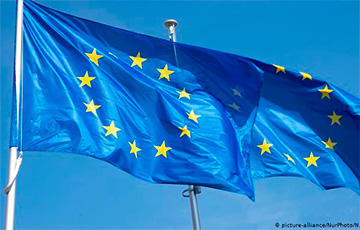
EU countries are changing their migration policies.
European Union interior ministers intend to further tighten asylum rules in EU member states. On Monday, December 8, they agreed on two measures: revising the concept of so-called safe third countries and introducing a common list of safe countries of origin, reports German Wave.
"Every year tens of thousands of people come to Europe and ask for asylum, even though they come from safe countries," explained the measures taken by Rasmus Stocklund, head of the Interior Ministry of Denmark, which currently holds the presidency of the Council of Europe. The new rules should ensure faster and more efficient processing of asylum cases, he emphasized.
The harmonization suggests that in the near future, EU countries will be able to more easily reject asylum requests from people from safe non-EU countries. At the same time, a direct link between the applicant and his or her country of origin is no longer mandatory, allowing for the establishment of so-called "return centers" in third countries. As a consequence, asylum seekers seeking protection in the EU will be able to be deported even to countries they have never been to before, and rejected asylum seekers cannot automatically remain in the EU while their appeals are being considered.
A common list of safe countries of origin has been formed
In addition, the EU has for the first time also formed a common list of safe countries of origin. It includes Egypt, Morocco, Tunisia, India, Kosovo, Bangladesh and Colombia.
Fast procedures should be possible for asylum seekers from these countries - for example, directly at borders or in transit zones, epd specifies on the basis of the decision taken by the heads of the European interior ministries. Applicants from EU candidate countries are also considered safe if there is no war or serious threats to human rights in their countries, the report specifies.
To implement the adopted measures, EU countries now need to agree the final text of the draft law with the European Parliament.

Bank's name: Bank Millennium S.A.
Address: ul. Stanislawa Zaryna, 2A, 02-593, Warszawa
IBAN: PL97116022020000000216711123
SWIFT: BIGBPLPW
Name of the account holder: Fundacja “KARTA ‘97”
Purpose/title of payment: Donation for statuary aims
You can contact us by the e-mail [email protected]