Saudi Arabia Announced Oil Discounts For India And China
4- 7.11.2025, 22:15
- 9,702
To replace Russian barrels.
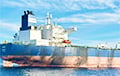
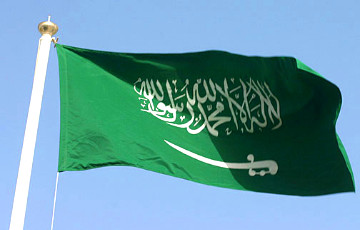
Saudi Arabia, the world's largest oil exporter, is cutting prices for all its oil grades for Asian customers, Reuters reported, citing the monthly price list of the kingdom's state oil company Saudi Aramco.
The price of Saudi Arabian Arab Light for delivery in December will be cut by $1.2 per barrel: it will now be sold at a $1 premium to the Oman/Dubai benchmark. The same discounts - $1.2 per barrel - are set for Arab Extra Light and Arab Super Light grades. And prices for Arab Medium Arab Heavy will fall by $1.4 a barrel.
Saudi Arabia's price cuts are a clear invitation to Indian refineries to buy its crude to replace Russian barrels, an Indian oil industry source told The Economic Times. The discounts apply to deliveries in December - which is the month when sanctions against Rosneft and Lukoil will fully kick in (the U.S. Finance Ministry has demanded that transactions with them be completed by November 21).
Reliance Industries, formerly India's largest importer of oil from Russia, has already increased its crude purchases from Saudi Arabia by 87% in October to reduce its dependence on Russian suppliers. Discounts from the Saudis could force Reliance and India's state-owned refineries to buy even more shipments from the Saudis, the Economic Times writes.
According to Reuters, December's Russian crude purchases have already been paused by five Indian refiners: besides Reliance Industries, they are Hindustan Petroleum, Bharat Petroleum, Mangalore Refinery and Petrochemicals and HPCL-Mittal Energy. Together they imported 65% of the oil coming from Russia to the Indian market - more than 1 million barrels per day.
The "boycott" of direct purchases from Lukoil and Rosneft was also announced by state-owned companies in China. State-owned Sinopec and PetroChina have already canceled a number of purchases of raw materials from Russia and continue to stay away. They have been joined by small private refineries that fear being hit by sanctions, as has already happened with Shandong Yulong Petrochemical, which is blacklisted by Britain and the European Union. According to Rystad Energy estimates, the "buyers' strike" affected almost 45% of Russian oil exports to China.
China is likely to resume oil purchases from Russia, says Alexei Gromov, IEF Energy Director: "All mutual settlements with Chinese companies have long been made in national currencies, yuan and rubles. Therefore, the American sanctions prohibiting settlements in dollars will not affect Russian oil exports to China."
"But there may be questions with India," Gromov continues: exports are likely to drop, and the transition of settlements from dollars to national currencies will entail additional costs and, consequently, lower margins and export revenues.

Bank's name: Bank Millennium S.A.
Address: ul. Stanislawa Zaryna, 2A, 02-593, Warszawa
IBAN: PL97116022020000000216711123
SWIFT: BIGBPLPW
Name of the account holder: Fundacja “KARTA ‘97”
Purpose/title of payment: Donation for statuary aims
You can contact us by the e-mail [email protected]