Lukashenko Has Created New Problems For Cargo Transit Between Europe And China
4- 4.11.2025, 16:40
- 10,394
Carriers will be forced to reorganize routes.
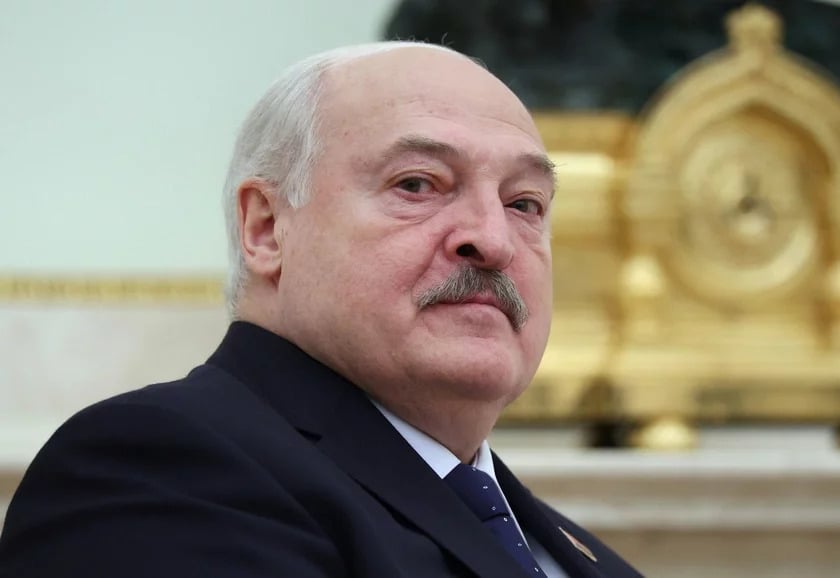
Lukashenka signed a decree banning trucks and vans registered in Poland and Lithuania from entering the territory of Belarus. Restrictions also apply to semi-trailers from these countries and cars performing international transportation on the basis of consignment notes. The decision is valid from the date of publication in the Belarusian National Legal Portal and should remain in force until December 31, 2027, reminds Polish publication Gazeta Prawna.
This decree in practice cuts off Polish and Lithuanian carriers from the key trade route between China and the European Union, which ran through the territory of Russia and Belarus. For many transport companies from Poland, Lithuania, Latvia, as well as companies using drivers from Ukraine, Georgia and Central Asia, this means a huge blow to finances and the need to reorganize routes.
The Belarusian decree is a response to the actions of Poland and Lithuania. In recent weeks, the two countries restricted border traffic with Belarus after a series of incidents involving smuggled balloons that violated Lithuanian airspace from the Belarusian side.
Reminder, on September 12, Poland completely closed its border with Belarus due to the detention of Polish citizen Gzegorz Havel and aggressive Russian-Belarusian exercises Zapad-2025. The border closure, instigated by Lukashenko, disrupted the transit of Chinese goods to Europe.
After the border opened, Chinese exporters significantly reduced the volume of cargo transportation through Belarus. Everything indicates that after the multi-day blockade of the Polish-Belarusian border in September, they decided to use alternative transit routes.
Usually, more than 7,000 containers arrived in Poland through railroad crossings on the Polish-Belarusian border in two weeks. When Poland restored transit, less than 5,600 containers entered in two weeks. And in the last two weeks, even less, just over 4,800 containers.

Bank's name: Bank Millennium S.A.
Address: ul. Stanislawa Zaryna, 2A, 02-593, Warszawa
IBAN: PL97116022020000000216711123
SWIFT: BIGBPLPW
Name of the account holder: Fundacja “KARTA ‘97”
Purpose/title of payment: Donation for statuary aims
You can contact us by the e-mail [email protected]