What NATO Can Learn From Ukraine
1- 8.10.2025, 17:46
- 1,692
The WSU experience is radically changing perceptions of modern warfare.
Over the three and a half years of conflict, the Ukrainian army, which is inferior to Russia in terms of numbers and resources, has built up a system of CEPA (translated by Charter97.org).
The combat drone laboratories have become a crucial element of this system. In them, drones are repaired, modernized and adapted to the needs of the front. Thanks to this, the equipment upgrade cycle has been reduced to three to four months, and the efficiency of FPV combat drones has increased from 30% to 70%.
"We are the first to see problems and find solutions. The main goal is to ensure combat readiness," explains the head of one of the workshops. Officers say the labs' proximity to the front line allows them to change frequencies quickly, bypassing enemy electronic warfare systems.
Decentralized procurement reforms introduced in Ukraine have also sped up the process. Commanders can purchase drones, electronic warfare systems and other equipment on their own. Manufacturers tailor developments to specific combat requirements.
Colonel Pavel Palitsa, in charge of the program at the Office of the President of Ukraine, notes that EU and NATO capitals are already showing interest in the Ukrainian experience.
But technological superiority is not only provided by machines, but also by people. "Technology is an instrument of power, but it is the human being who decides everything," says Maj. Olga Meleshina of the Unmanned Systems Force Command.
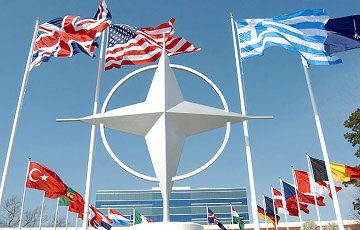
The Ukrainian experience could be a valuable lesson for NATO, especially amid Russia's growing drone attacks as part of its hybrid warfare against Europe. Joint programs and sharing tactics will help the alliance prepare for future conflicts.

Bank's name: Bank Millennium S.A.
Address: ul. Stanislawa Zaryna, 2A, 02-593, Warszawa
IBAN: PL97116022020000000216711123
SWIFT: BIGBPLPW
Name of the account holder: Fundacja “KARTA ‘97”
Purpose/title of payment: Donation for statuary aims
You can contact us by the e-mail [email protected]